Four Decades of Silence Within an Isolated Coastal Complex
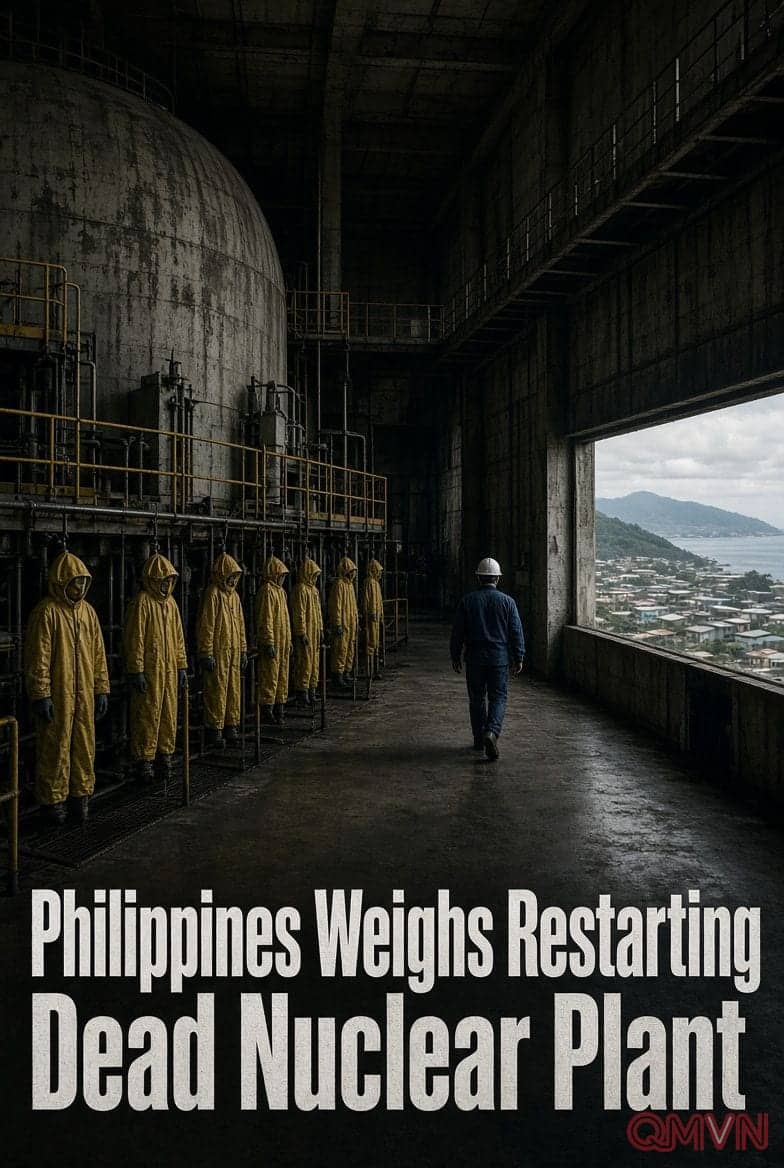
Enclosed behind protective gates across an 800-acre seaside plot west of Manila, an eerie stillness dominates the cavernous turbine halls of the Bataan Nuclear Power Plant. What was envisioned as the pioneering fountainhead of commercial atomic power across the archipelago now resembles a preserved museum archive, where analog control consoles and yellow radiation suits stand preserved without ever harboring radioactive material.
Daily maintenance procedures are diligently conducted by plant manager Noel Germano and a dedicated cadre of seven resident engineers who manually service mechanical gears, switches, and valves to avert material decay. While the structural concrete containment remains remarkably well-preserved, global atomic energy experts caution that recommissioning a four-decade-old facility represents an extraordinarily costly and technologically demanding undertaking.
Civic Memory and Lingering Apprehensions of Environmental Peril
For the close-knit coastal population of Morong situated merely a mile away, the silent reactor embodies a legacy intertwined with civic unease. When construction began in 1976, the project generated lucrative local employment opportunities for young workers such as cable puller Valentino Tolosa, yet communal optimism soon shifted into pervasive dread as international nuclear accidents occurred.