MAIN CONTENT
A confirmed meeting, not yet a shared agenda
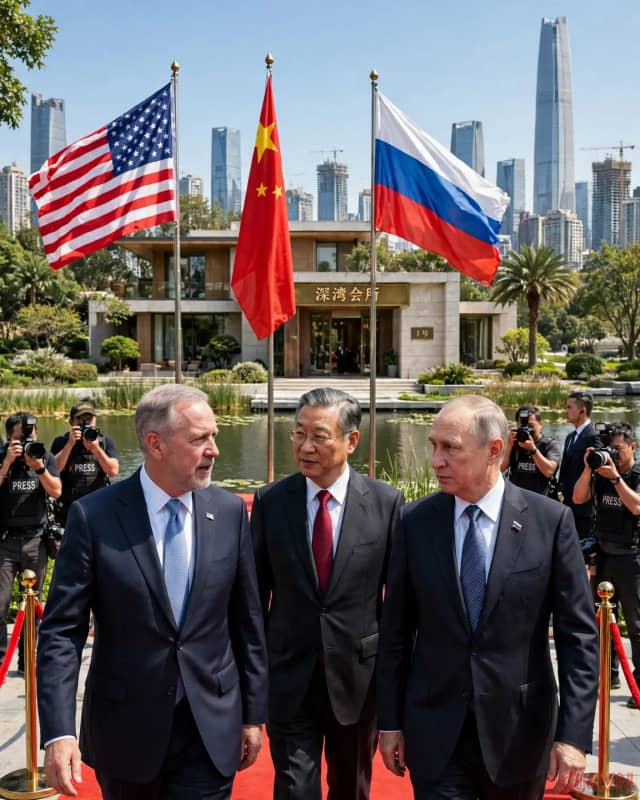
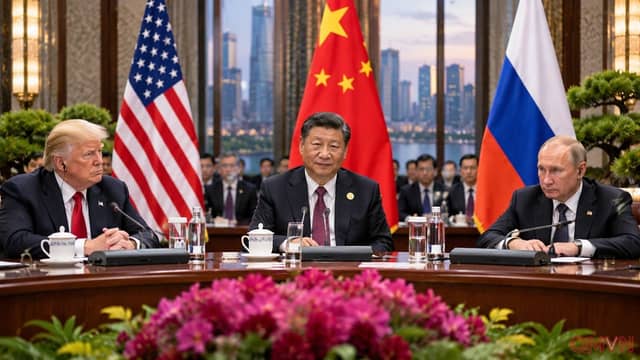
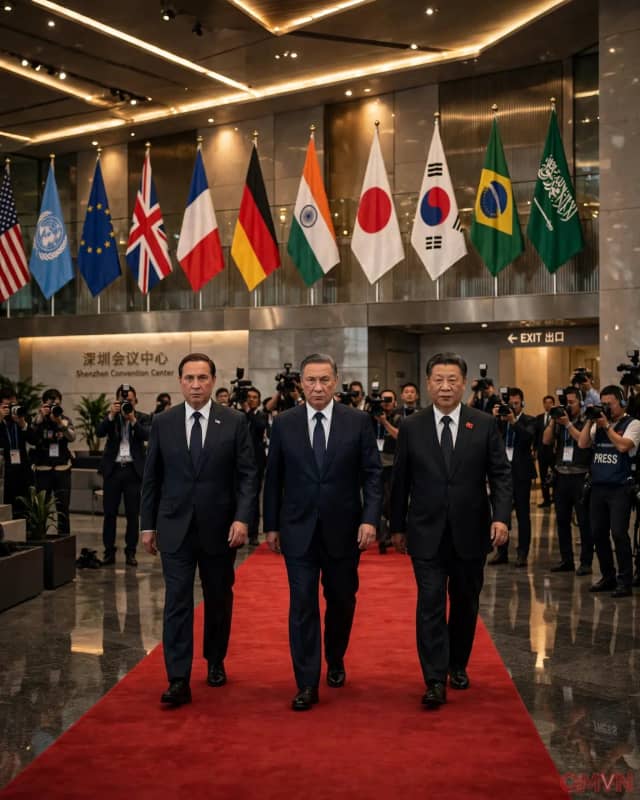
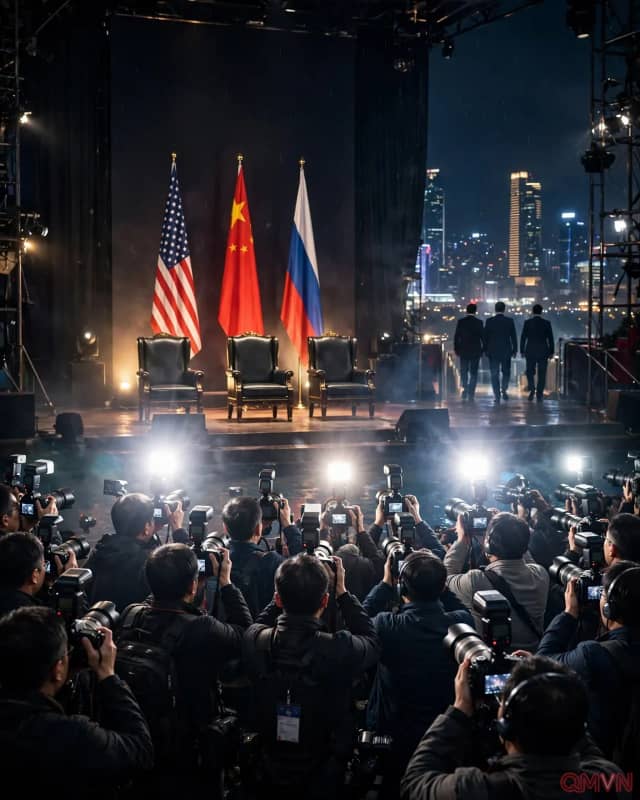
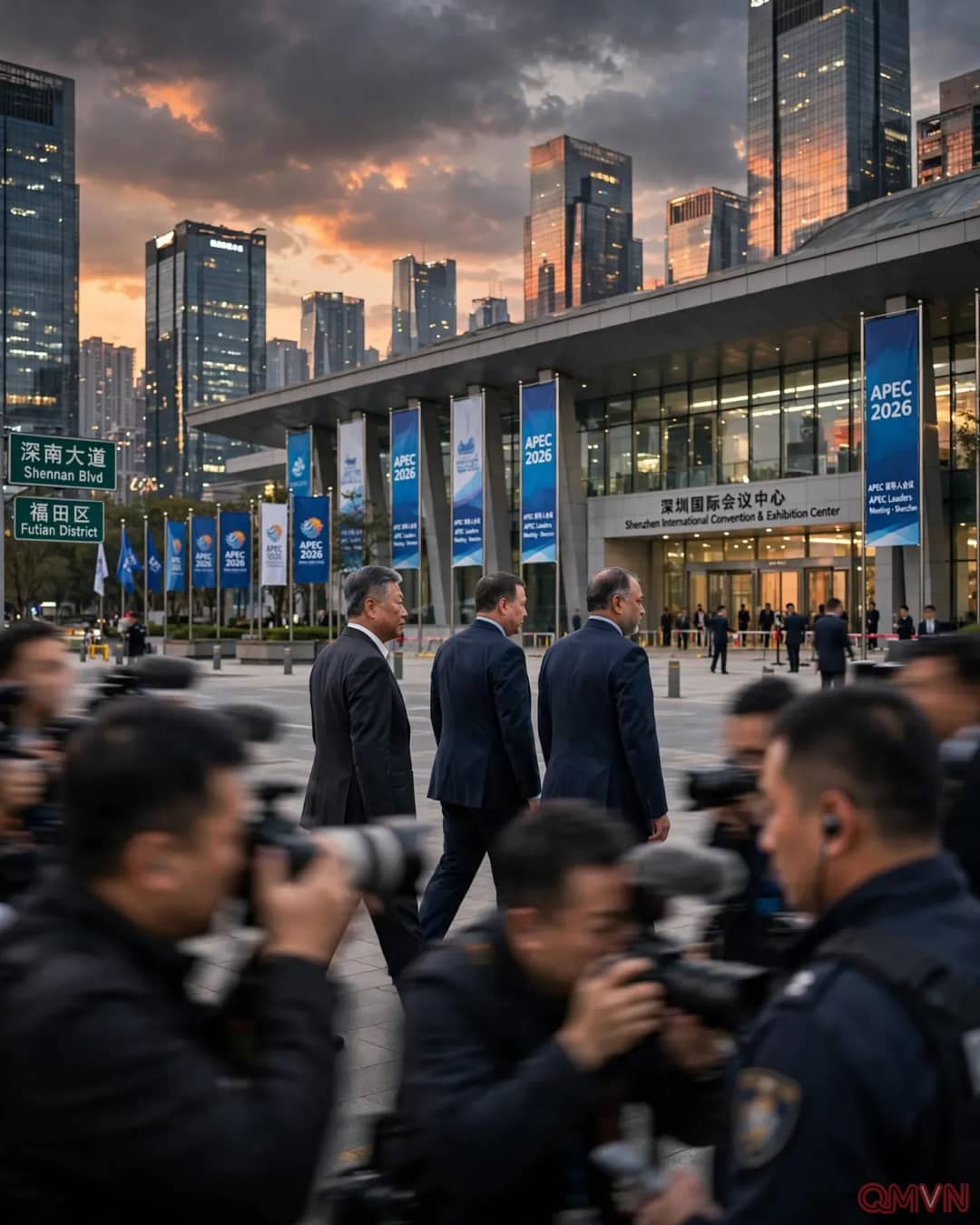
China’s foreign ministry announcement gave a date and a place—November 19 in Shenzhen—but did not identify the subjects for negotiation. That distinction matters. Confirmation of a summit is not confirmation that its participants have agreed on objectives, texts or negotiating procedures. Forecasts by analysts should not be mistaken for decisions by the three capitals.
The encounter coincides with APEC, which China is hosting under a regional economic cooperation theme. For Beijing, receiving the American and Russian leaders at the same moment is a notable diplomatic opportunity. It also raises expectations among investors, allies and countries directly affected by ongoing wars. The symbolism is unusually powerful; the practical outcome remains uncertain.
An analyst quoted by CNBC argued that simply bringing the two visitors together could bolster China’s diplomatic standing even before talks begin. That is an assessment, not an agreed summit objective. The clearest test will be what the governments actually disclose afterwards: a work program, an agreed statement, or perhaps only an affirmation that dialogue will continue.