MAIN CONTENT
Arctic Energy Burdens and a Frozen Wind Project in Kotzebue
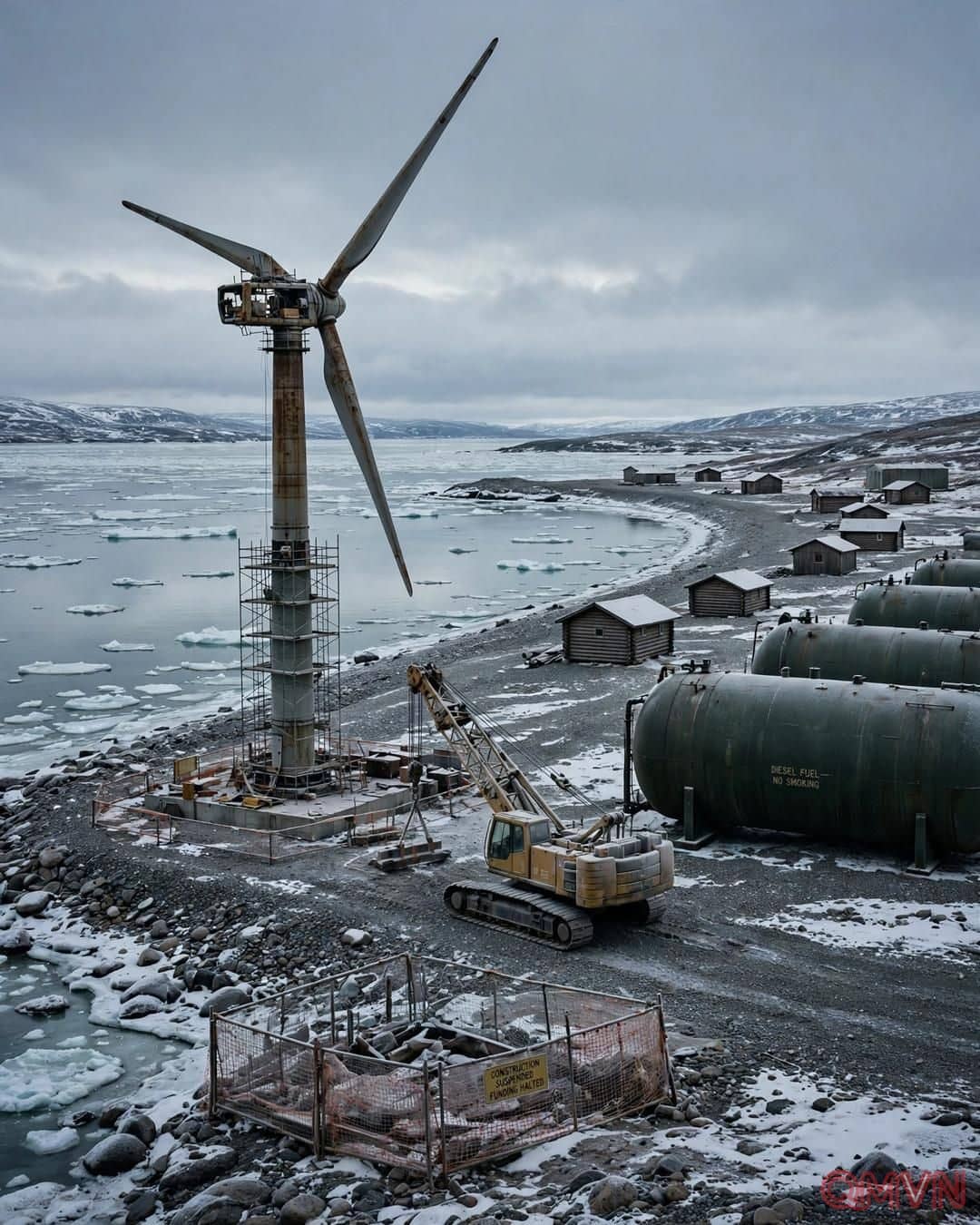
Every year, the small city of Kotzebue—perched on a gravel spit jutting into Kotzebue Sound just north of the Arctic Circle in northwest Alaska, United States—has only a brief three-month ice-free window to receive its entire annual supply of diesel fuel via freight barges. Accessible solely by air and sea, the community relies on diesel for 75 percent of its electricity, forcing residents to spend roughly 20 percent of their income on fuel—more than triple the energy burden borne by low-income households nationwide.
In 2024, the Environmental Protection Agency announced a $20 million grant, part of a $150 million tribal infrastructure package for Alaska, to build a wind energy facility projected to cut Kotzebue’s diesel dependence to between 40 and 50 percent. However, the Trump administration canceled the award in May 2025, leaving the project stalled more than a year later even as global diesel prices surged amid conflict with Iran.
"We’re pretty much at the mercy of world markets. There’s really nothing the community can do about diesel prices, but what we can do is produce our own energy." Chad Nordlum