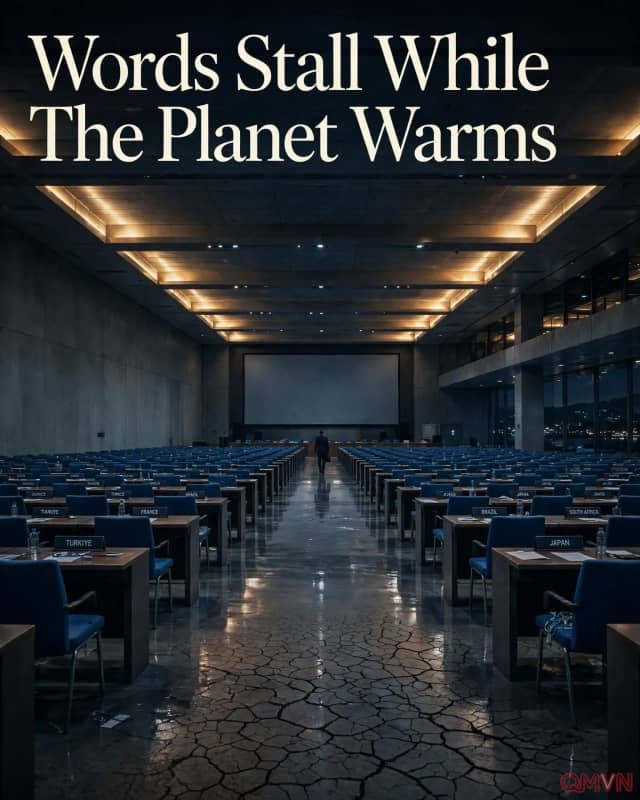
A summit that ended without a deal
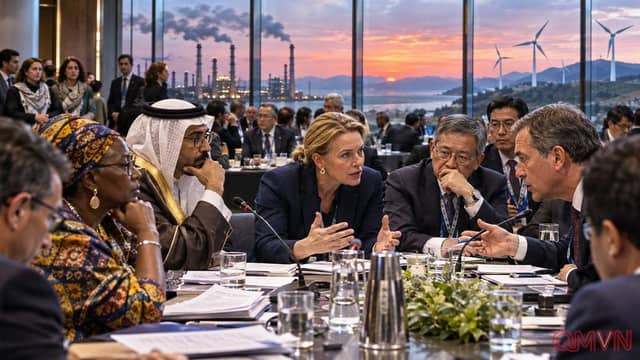
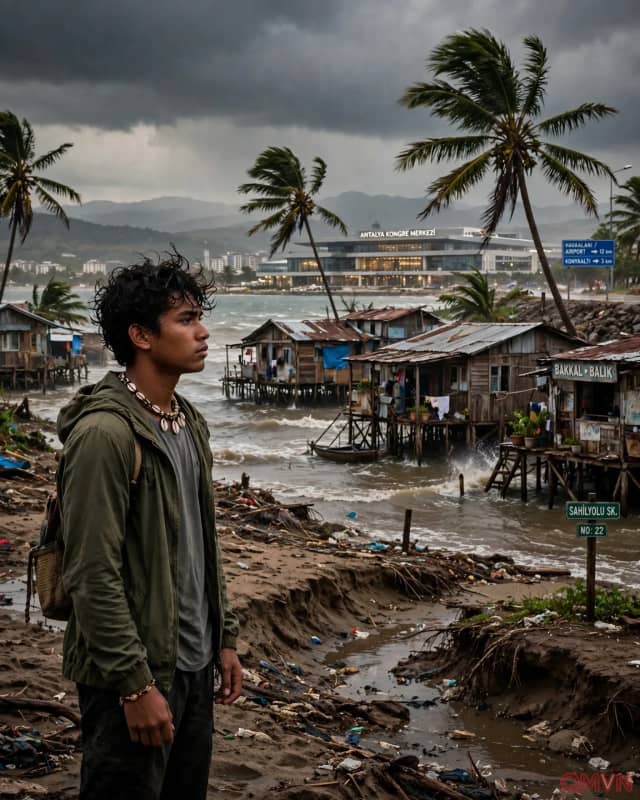
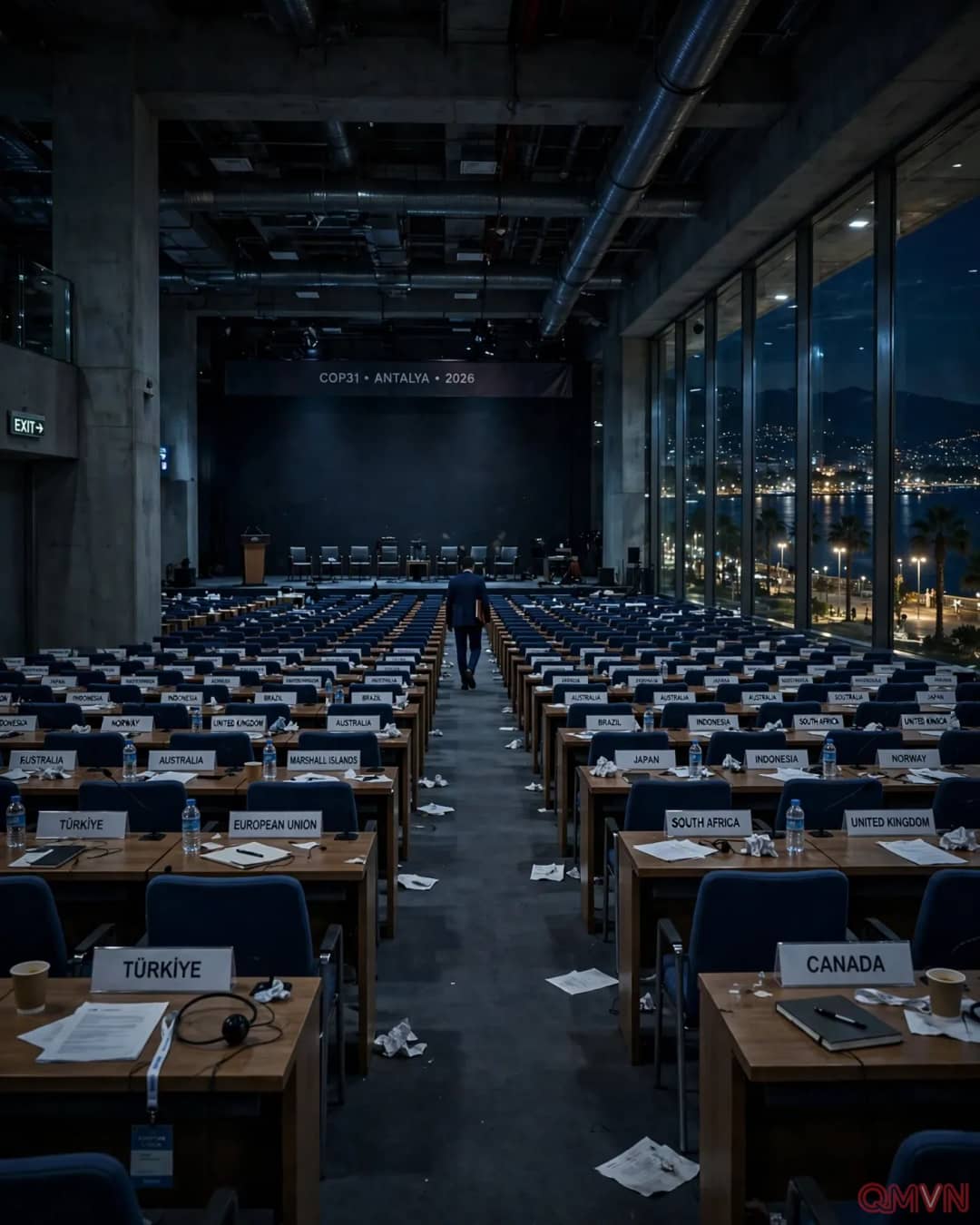
When the gavel fell in Antalya on November 22, two weeks of bargaining had produced no political agreement. For small, vulnerable countries most exposed to rising seas and the increasingly extreme weather that scientists link to carbon emissions, the annual UN conference is a rare stage to draw global attention to their plight and seek financial help. This year, that stage delivered little.
Andres Martin Garrido Sanchez, director of environment at Peru's Ministry of Foreign Affairs, warned that the credibility of the process was at stake. Simon Stiell, executive secretary of the UN Framework Convention on Climate Change, insisted the consensus-based system can still work, but said he had begun engaging external experts to advise on possible reforms and would champion that effort.
This system needs in-depth reforms.
A vacuum of leadership
The contrast with Paris in 2015 is stark. Back then, the United States was fully engaged, helping to secure an aspiration to limit warming to 1.5C. Antalya was the second conference since Trump withdrew from the UN climate process; the United States formally left the Paris Agreement in January 2026, taking with it the process's historically largest financial contributor. China, the world's biggest emitter but also a major supplier of low-carbon technology, attended but kept a low profile.