MAIN STORY
Record-long negotiations, no common declaration
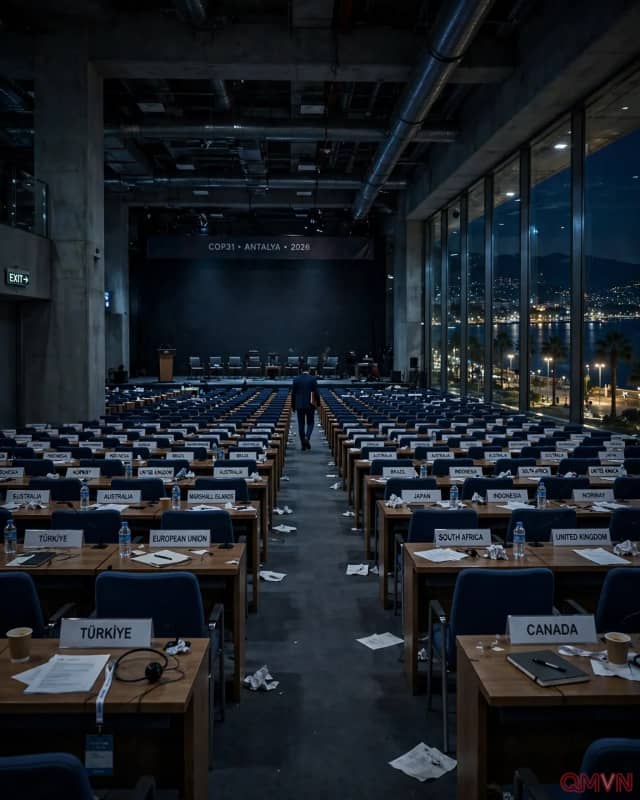
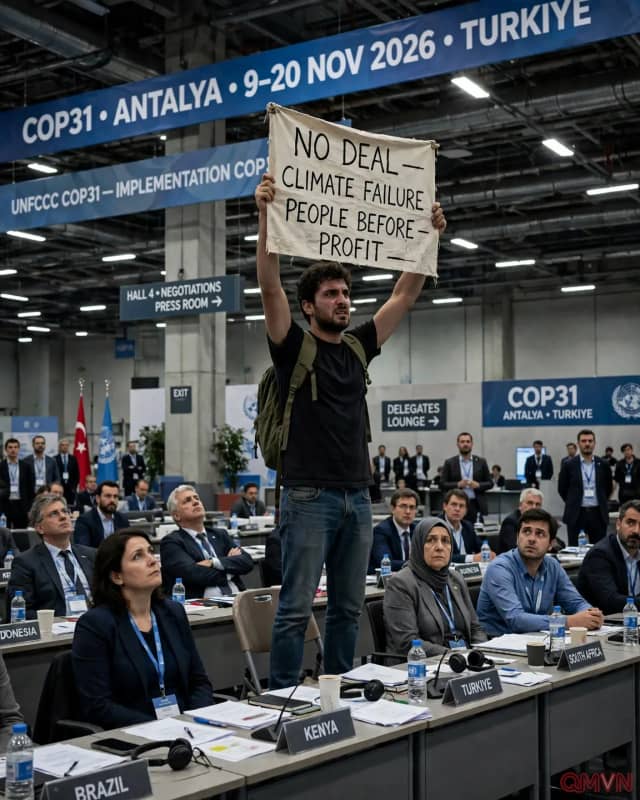
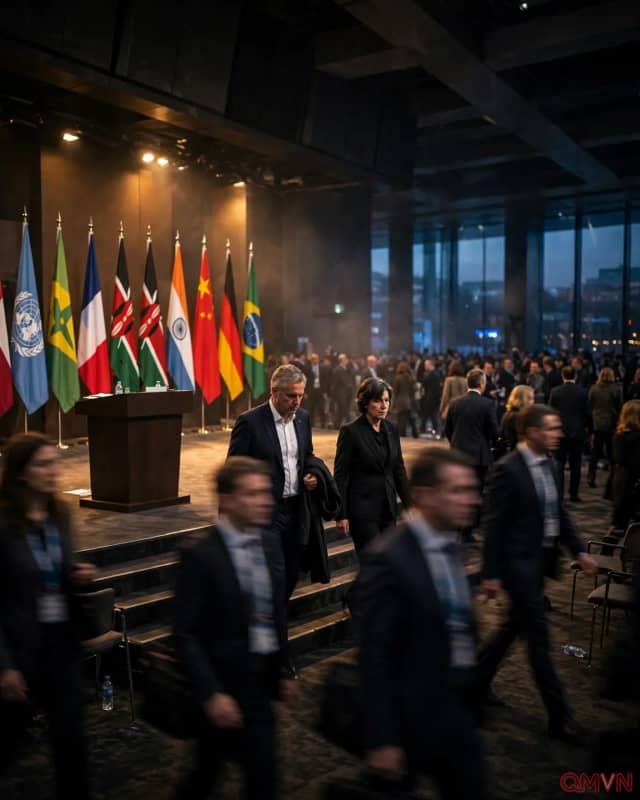
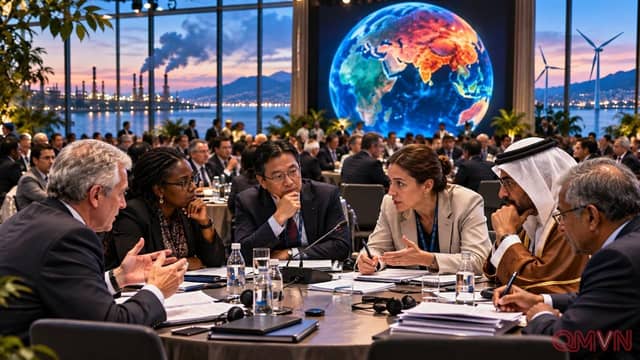
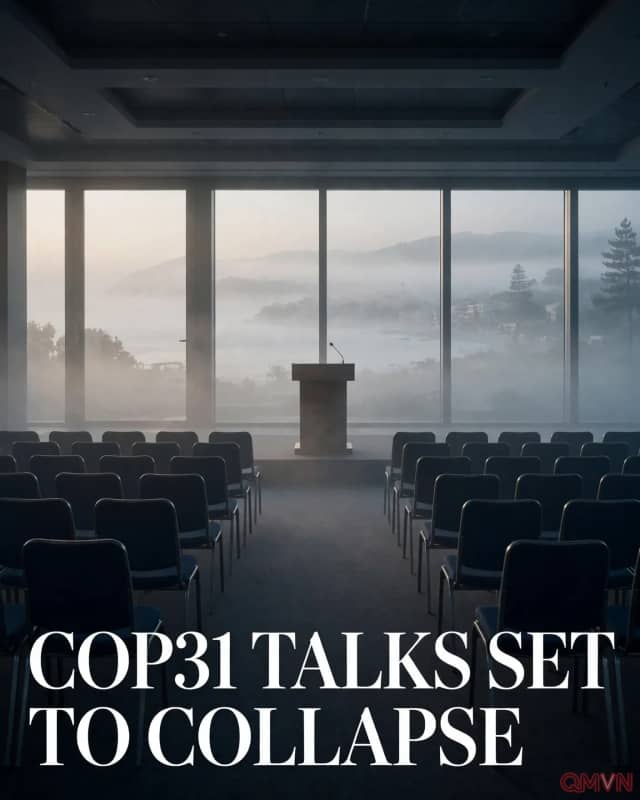
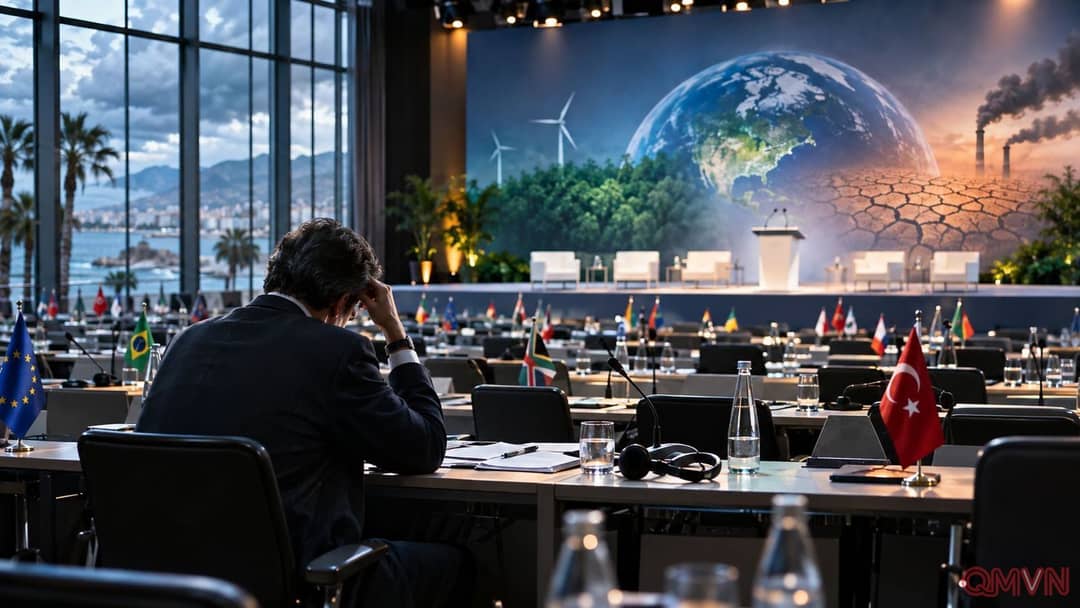
COP31 had been scheduled to finish on November 20, but ran until Sunday, November 22, becoming the longest annual summit of its kind on record. Delegates spent the final hours examining language intended to preserve a common position among almost 200 governments. The remaining disputes, however, were not simply matters of diplomatic phrasing. They concerned what a climate declaration should acknowledge and what it should obligate countries to do.
Turkey’s conference president, Murat Kurum, said no further text would be proposed. Australia’s president of negotiations, Chris Bowen, called the outcome deeply disappointing and identified fossil fuels and climate finance as the principal obstacles. UN Secretary-General António Guterres voiced profound frustration. The breakdown recalled Copenhagen in 2009, the previous major occasion when UN climate talks failed to deliver a consensus overarching political outcome.
The fossil fuels that disappeared from the text
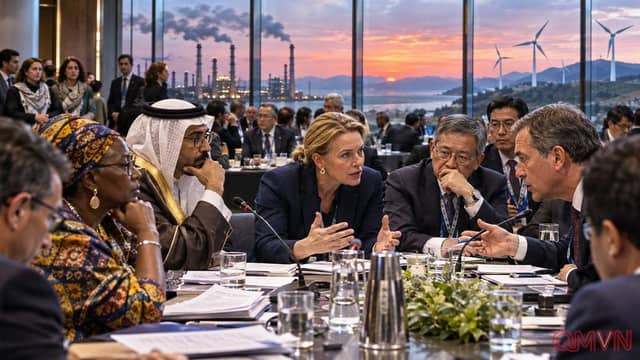
European governments argued that a climate statement that never names coal, oil or gas risks evading the principal driver of human-caused warming. Ireland’s environment minister, Darragh O’Brien, questioned how such a declaration could omit both fossil fuels and the transition away from them.