MAIN CONTENT
Oversight powers change hands
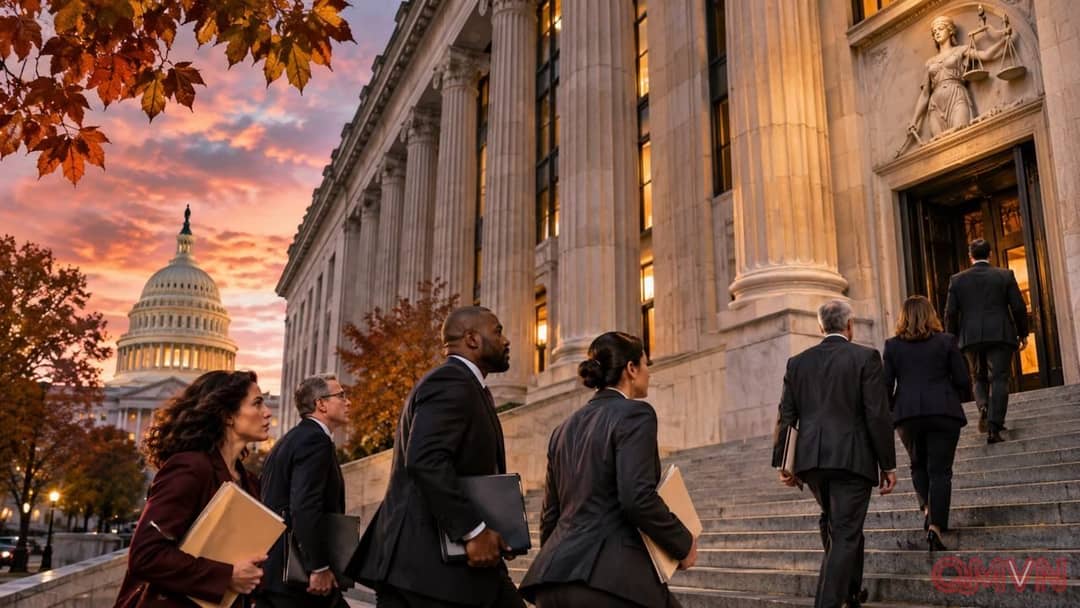
Washington’s balance has shifted after the midterms, with Democrats preparing to lead committees in both chambers. Chairmanships bring authority to hold hearings, request records and issue subpoenas. Such tools can establish an evidentiary record of who approved controversial decisions, what legal advice officials received and whether established procedures were followed. This is a different proposition from criticism delivered in a press conference: institutional oversight can reveal documents that otherwise remain inside the executive branch.
Yet the power to demand records is not a guarantee that they will arrive. Executive privilege claims and lengthy court litigation can obstruct congressional inquiries. A criminal contempt referral would ordinarily go to the Justice Department itself, whose leadership may have little appetite for pursuing the administration it serves. The practical measure of oversight will therefore be the reliability of the evidence assembled, rather than the volume of subpoenas or the intensity of televised exchanges.
Sensitive prosecutions under review
According to the Associated Press, Democrats are considering inquiries involving former FBI Director James Comey, Representative Ilhan Omar, former White House aide Cassidy Hutchinson and two former FBI officials. Some prosecutorial efforts have faced unfavorable grand-jury decisions, dismissals by judges or prolonged uncertainty.