MAIN CONTENT
Two inflation speeds, one uncomfortable picture
The Labor Department’s producer price index measures prices received by domestic producers, providing an early view of costs that may eventually reach households. October’s 0.3% monthly increase was sharply below September’s revised 1.4% rise and slightly below economists’ expectations. But the 6.5% twelve-month gain exceeded September’s 6.3%, marking a four-year high and a striking change from 3.1% a year earlier. A slower monthly climb is not the same as falling prices: the general price level is still rising.
Excluding food and energy, core producer prices advanced 0.3% from September and 5% from October 2025. Economists and central bankers examine both headline and underlying measures because volatile fuel prices can conceal a more persistent trend. The Federal Reserve formally targets 2% inflation using the personal consumption expenditures index rather than the PPI, but wholesale prices can influence that preferred gauge and help reveal whether inflation is becoming entrenched.
Fuel costs travel through the supply chain
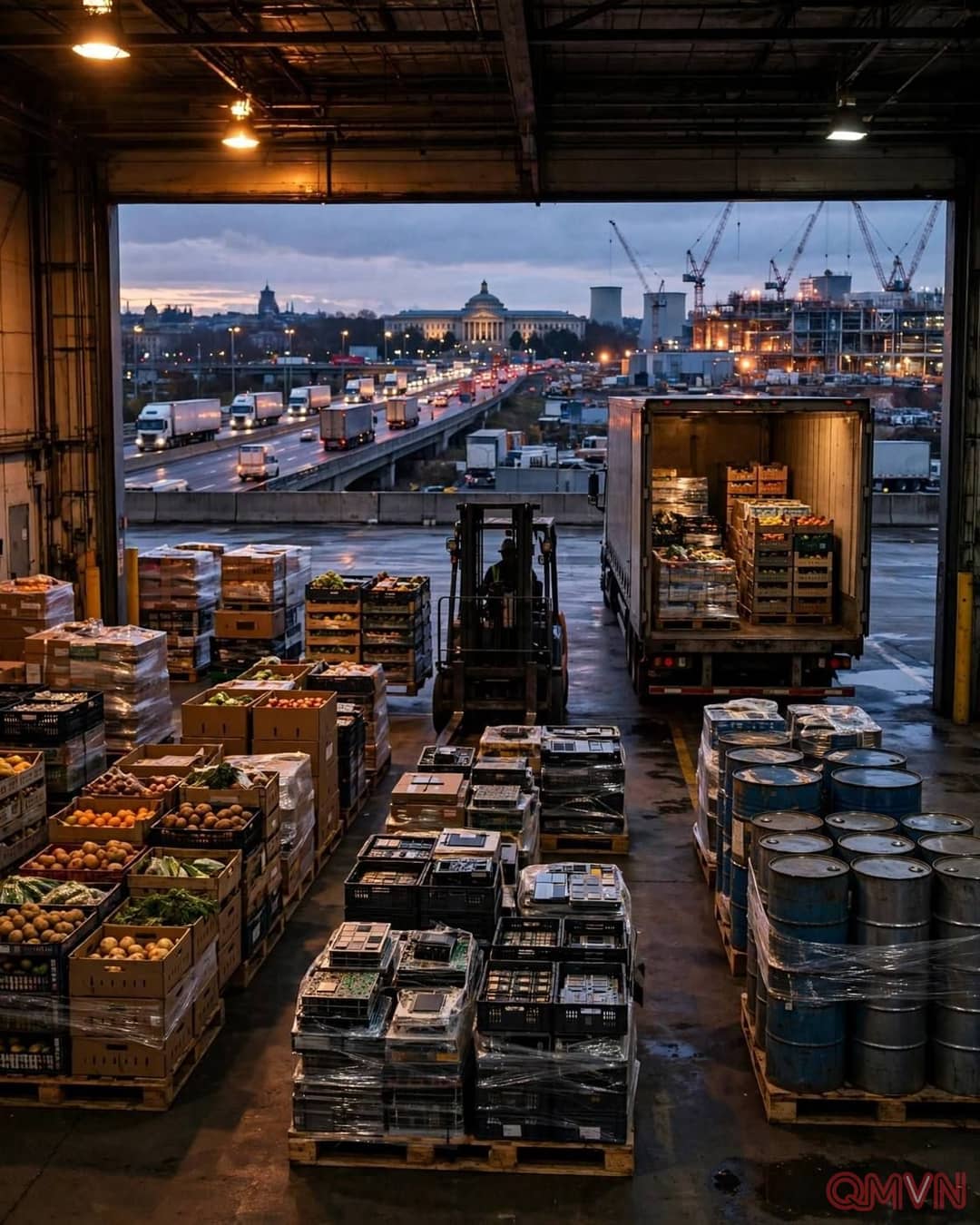
Wholesale diesel fell 7.9% in October, but the effect of earlier energy shocks remained visible. Truck freight prices jumped 3.9% and food prices climbed 1.3% over the month, according to the figures cited by Associated Press.