MAIN CONTENT
A missing phrase with far-reaching consequences
The first draft, circulated on November 16, included language on accelerating the phaseout of fossil fuels. The version released on November 19 dropped that explicit commitment and relied instead on broader wording about low-emissions and climate-resilient development. That alteration matters because identifying a source of pollution creates a clearer political benchmark than endorsing a general destination. The difference can influence national plans, investment decisions and the ability of citizens to judge whether governments are making progress.
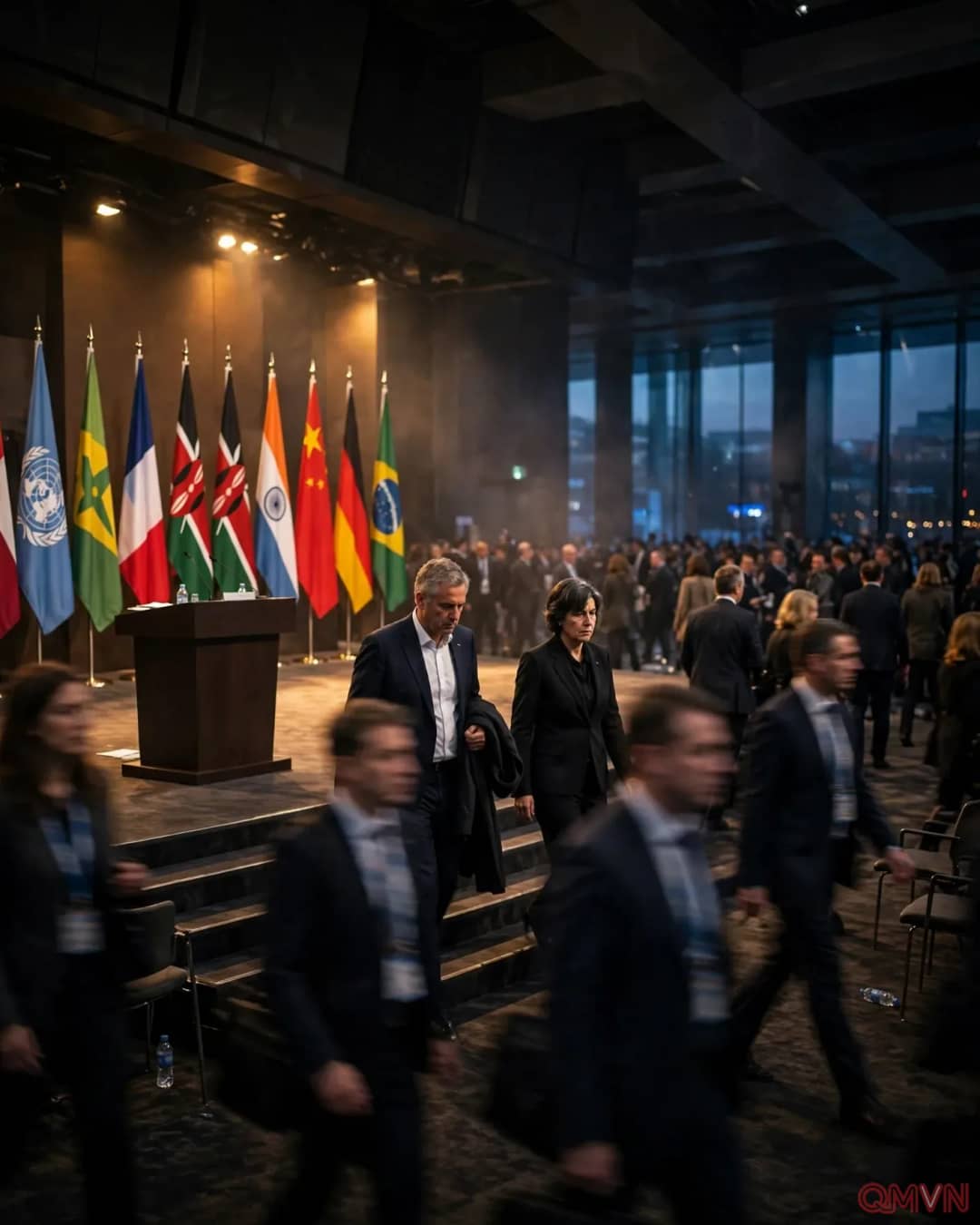
Reporting by The Guardian, AFP and DW described anger from civil society groups who feared that the revised text diluted the central purpose of the conference. Yet a draft is not a treaty already agreed. COP decisions are frequently rewritten as countries test possible compromises, and only the language adopted at the final plenary represents a shared outcome. Confusing the two would make the negotiations appear more settled than they actually were.
Vulnerable countries ask who bears the risk
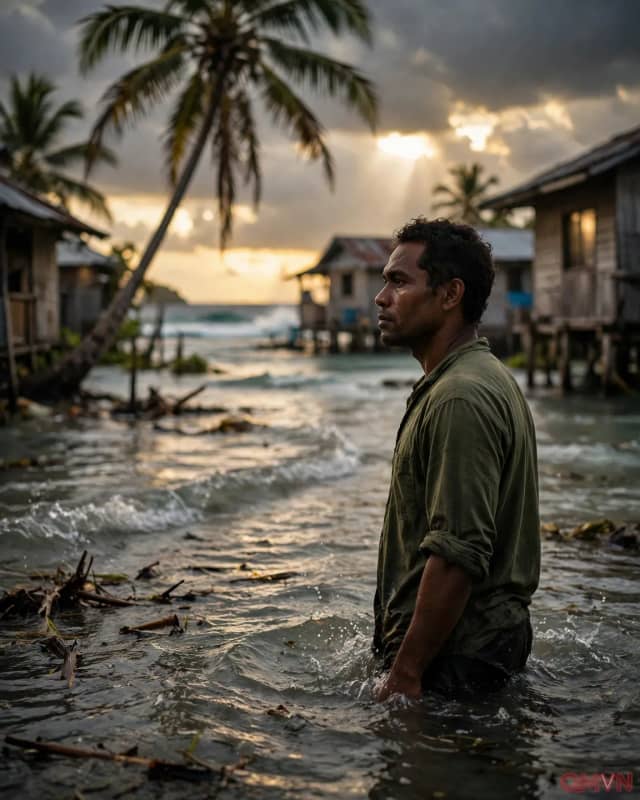
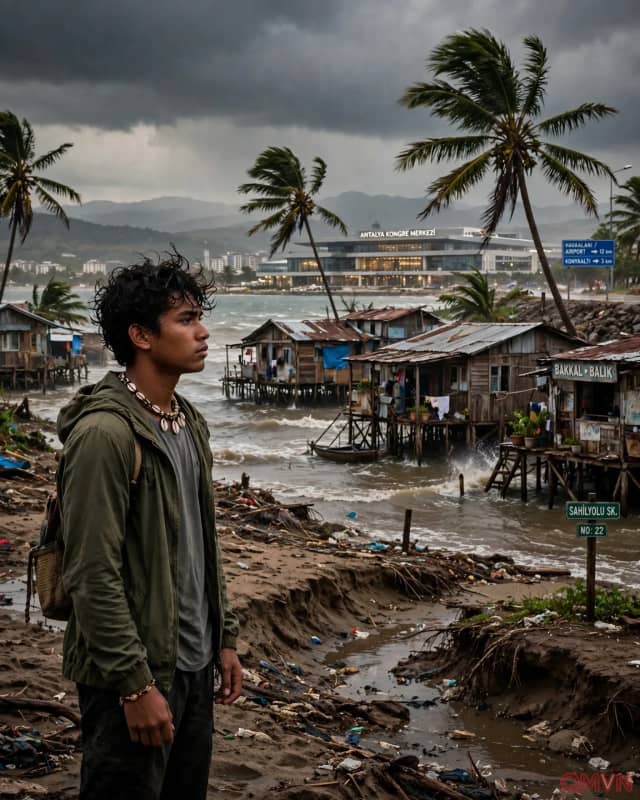
Panama became a prominent critic of the weaker wording. Environment Minister Juan Carlos Navarro warned that his country would object to an outcome that failed to reflect its principles, which included limiting oil production and grounding decisions in climate science.