A 3–2 ruling that changes the rules
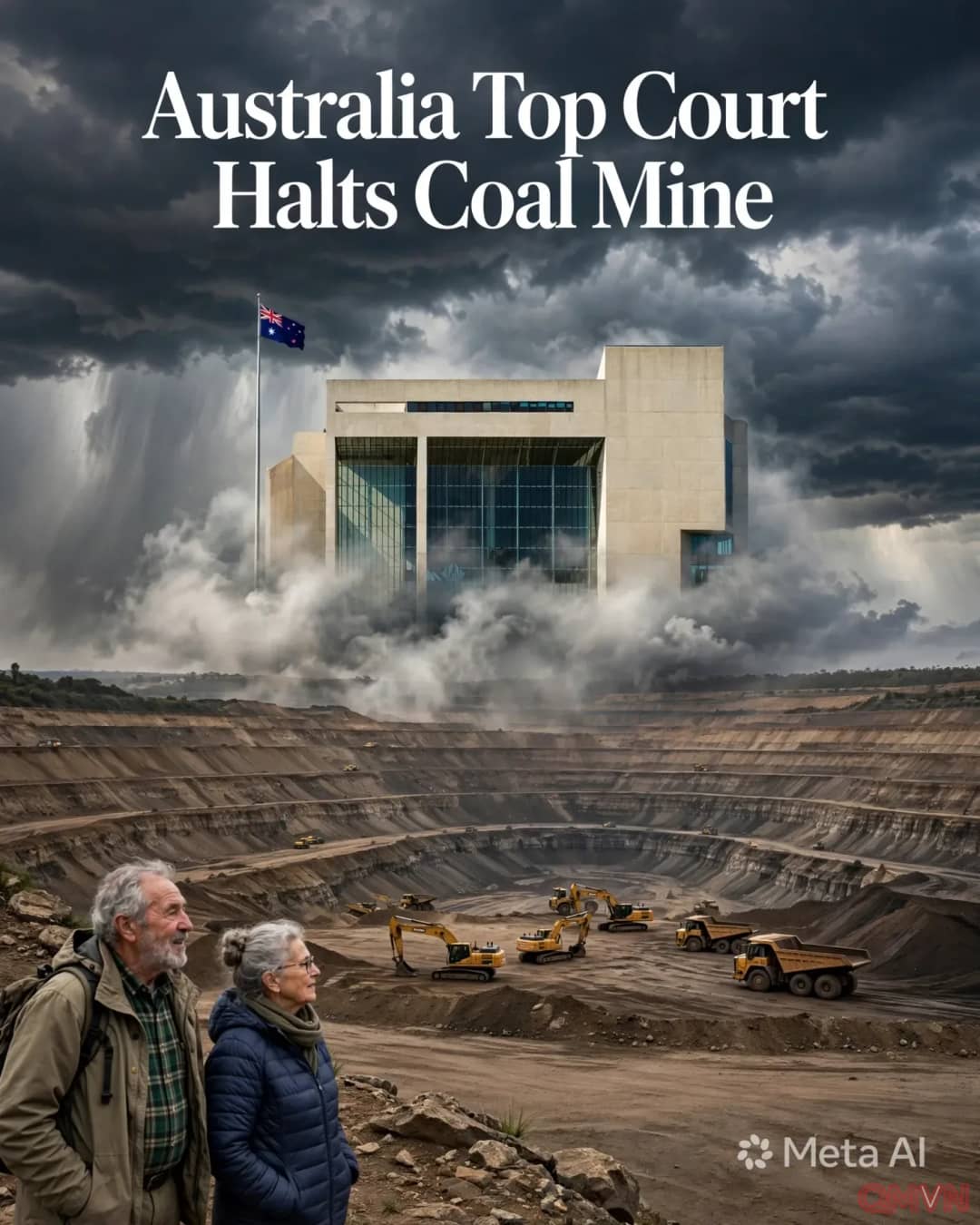
In Wednesday's ruling, three of the High Court's five judges concluded that the expansion of the Mount Pleasant mine must be halted. Planning authorities, they said, were obliged to consider granting consent only with conditions ensuring that all greenhouse gas emissions were minimised, and had failed to do so here. The blocked plan would have allowed Mach Energy to extend the mine's life by more than 20 years, to 2048, and nearly double its annual output.
The significance reaches well beyond one mine. According to Anita O'Hart, the lawyer representing the community group, the High Court has confirmed that planning authorities cannot ignore the chain of causation from a project's emissions to real, local climate harm. She expects the ruling to be applied by courts and planning bodies across Australia and studied abroad as one of the world's most important domestic climate law decisions.
*“We cannot dig up coal, ship it overseas, watch it drive climate change, and then pretend the consequences have nothing to do with us.” — Wendy Wales*
Two retired teachers and a four-year journey
Wendy Wales and Tony Lonergan are retired science teachers living in what is often called Australia's rural coal-digging heartland. Wales is president and Lonergan treasurer of the Denman Aberdeen Muswellbrook Scone Healthy Environment Group, a small community organisation represented by Johnson Legal. They challenged the 2022 approval of the expansion by the New South Wales Independent Planning Commission.