MAIN CONTENT
One technology, three possible economies
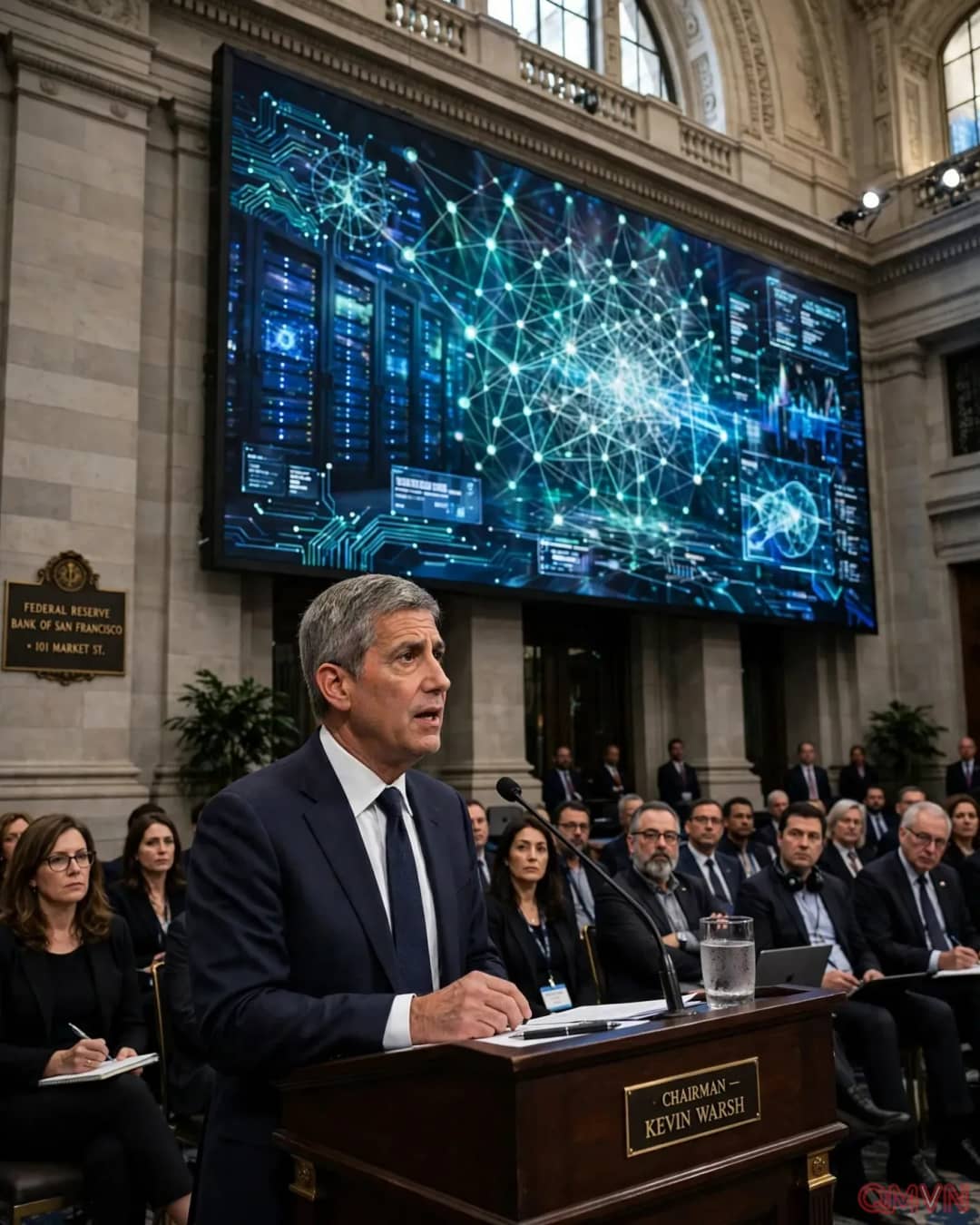
In his opening remarks, Warsh described a generation-defining shift in which highly capable intelligence systems may accelerate the discovery and application of ideas. Faster innovation, he suggested, could support higher living standards and sustained growth. Yet he repeatedly distinguished possibility from prediction. The frameworks being developed by Fed staff are illustrative scenarios, designed to prepare central bankers for quite different outcomes rather than declare an AI-powered economic miracle inevitable.
The optimistic case combines enduring productivity improvements with high employment and widely shared gains. A second path produces more output but also substantial job displacement as automation advances faster than workers can retrain. The third is a reversal of expectations: companies spend heavily on computing infrastructure, investment returns disappoint, asset prices retreat and the economy slows. Putting all three scenarios in public view is a useful acknowledgment that technological promise alone cannot establish a reliable monetary-policy forecast.
Cheaper services do not automatically mean lower rates
AI could reshape inflation if software reduces the cost of legal research, bookkeeping, administrative processing and other services. Warsh raised the possibility of a disinflationary shift resembling earlier periods when expanded global supply chains lowered goods prices.