The empty driver’s seat
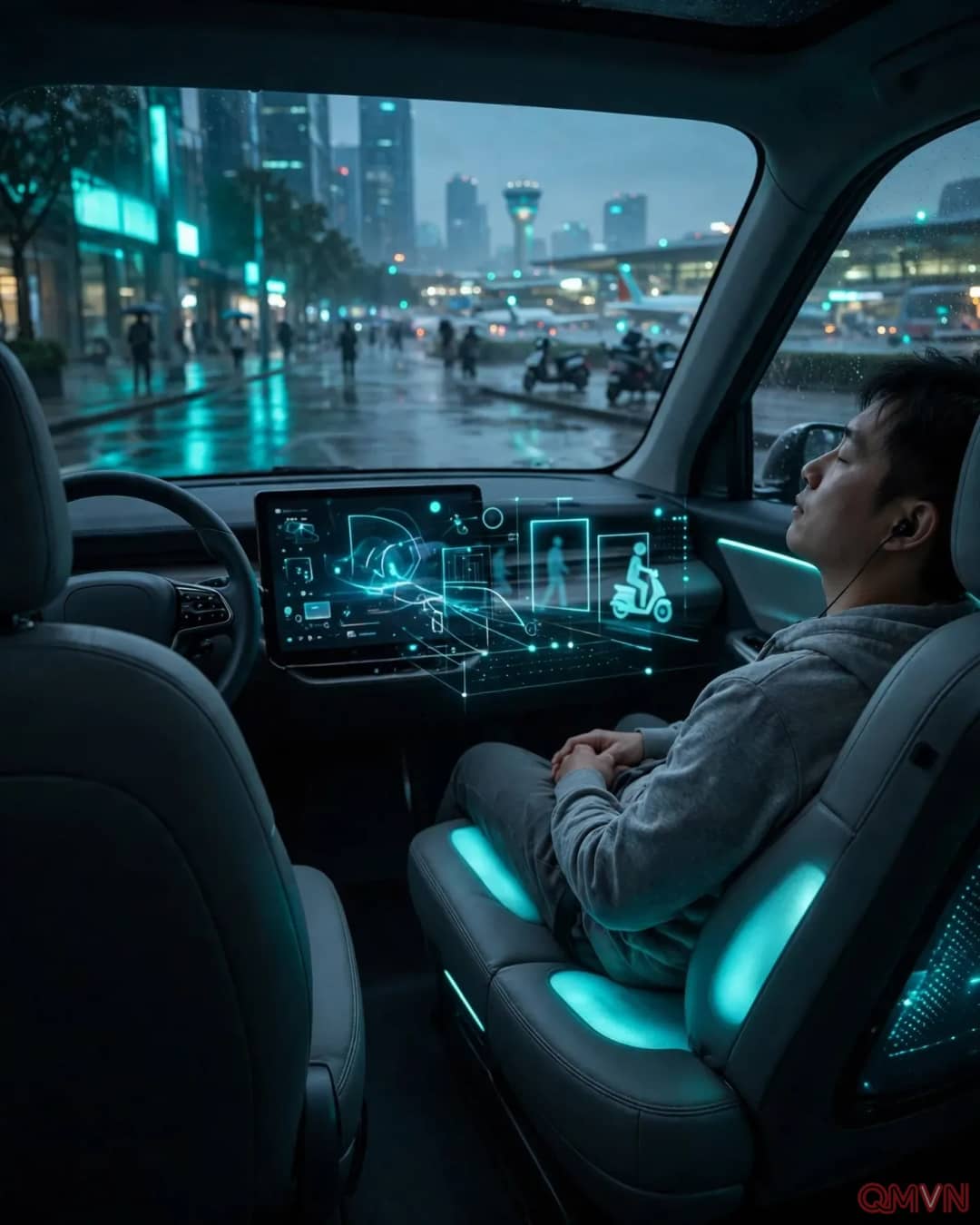
The driver’s seat was empty and the steering wheel turned on its own. Sitting in the back of a Pony.ai robotaxi in Shenzhen, the reporter felt a flicker of nervousness. But as the car glided into traffic, the unease gave way to a pleasant feeling: no small talk with a driver.
The first hiccup came before boarding: the app estimated five minutes, but the wait stretched to nearly 10. Boarding itself was quick: scan a QR code, get in and buckle up, otherwise the car refuses to move. Inside, a screen showed nearby vehicles, pedestrians and cyclists in real time.
Two distinct driving styles
The two rides in two cities offered different experiences:
- Pony.ai in Shenzhen drove politely and cautiously: braking early for electric scooters, yielding to pedestrians and giving way when other vehicles cut in, if occasionally hesitant.
- Apollo Go in Beijing was more assertive: changing lanes readily, accelerating promptly and pulling away decisively at green lights, though braking more often.
- Both were smooth, but a couple of test rides cannot settle questions about safety.
On safety, Pony.ai said it combines real-world testing with simulation through its PonyWorld world model to recreate complex scenarios.