MAIN ARTICLE
A ballot framed by war and demands for accountability
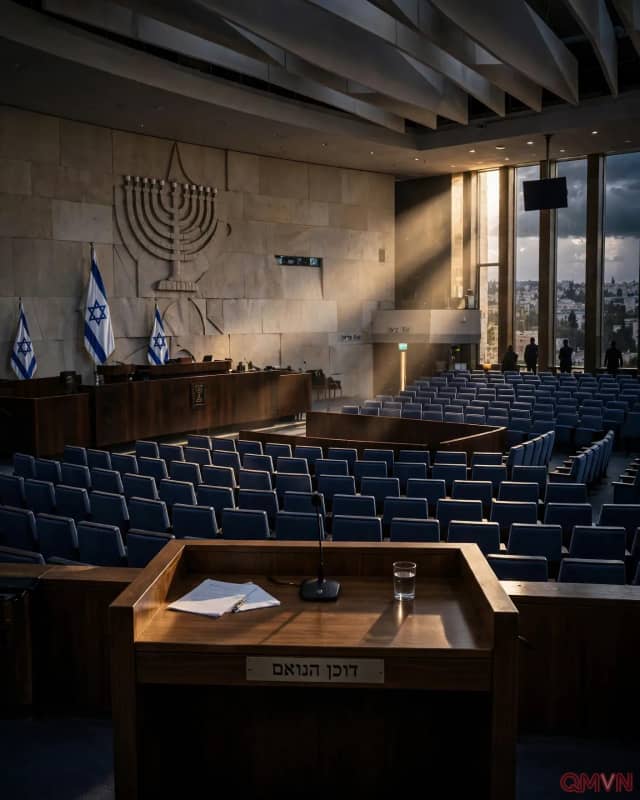
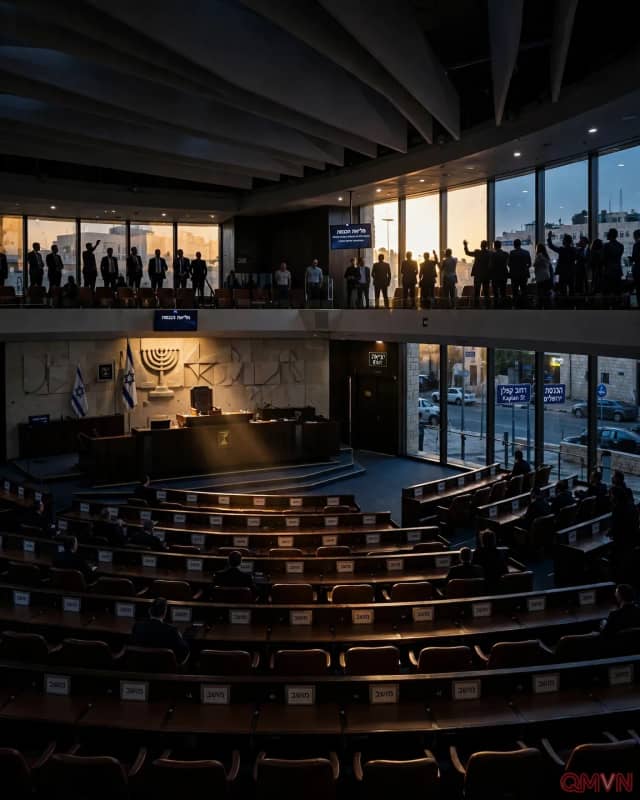
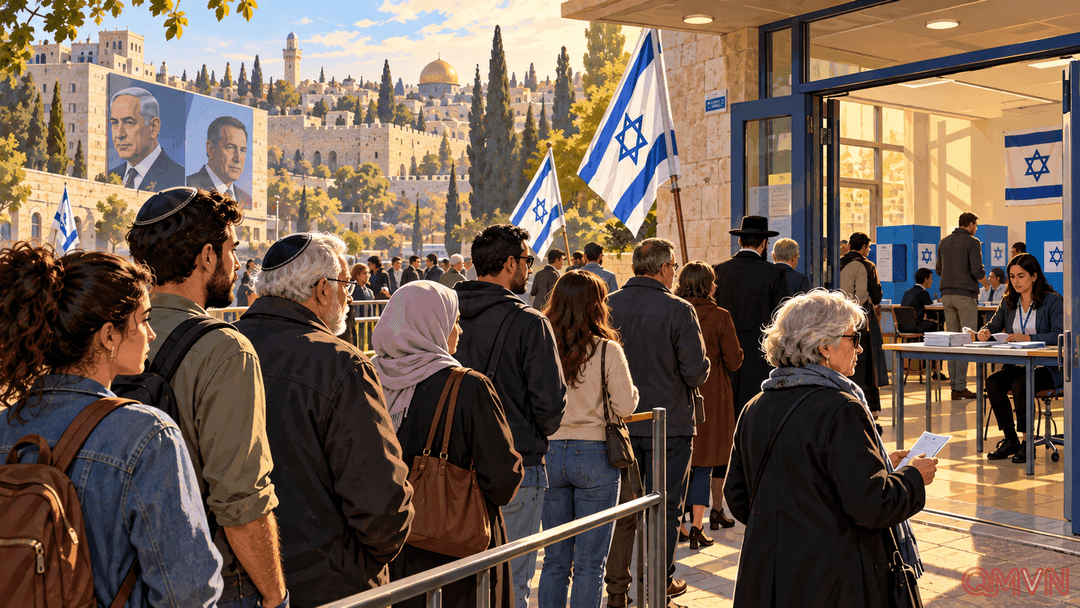
Polling places opened at 7 a.m. local time and were scheduled to close at 10 p.m. Approximately 7.3 million citizens are eligible to participate, including about 330,000 first-time voters. Israelis vote for party lists rather than directly selecting the prime minister, which means the negotiations after election day can prove as consequential as the campaign itself.
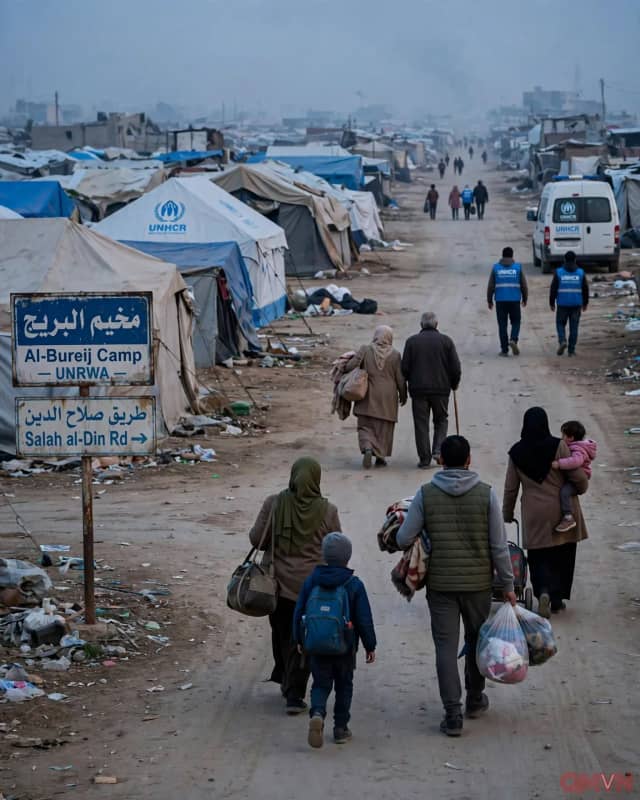
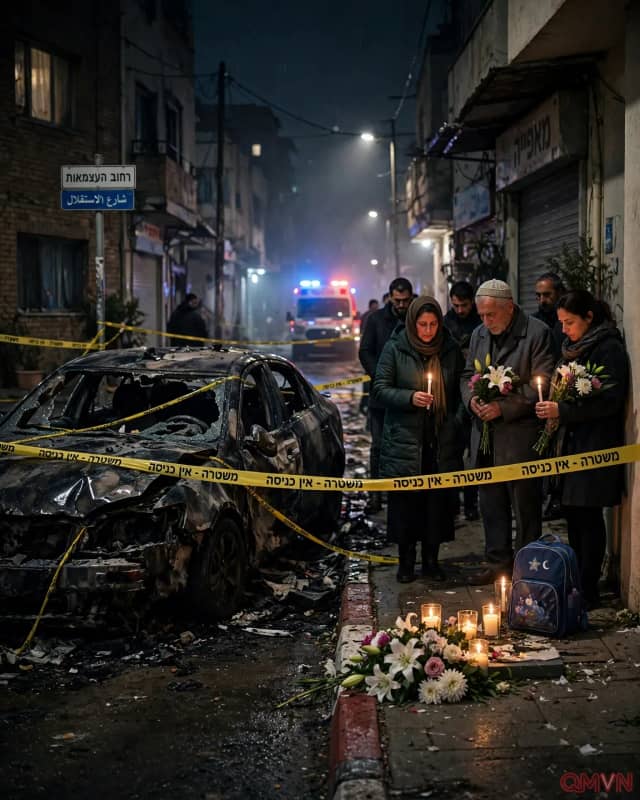
For families still marked by October 7 and subsequent wars, the election raises difficult questions about state responsibility and the future of national security. Netanyahu supporters cite his wartime leadership and international relationships as assets. His opponents argue that military experience cannot replace public accountability. These contrasting assessments expose disagreements that extend well beyond the identity of the next leader.
A contest between two security-focused contenders
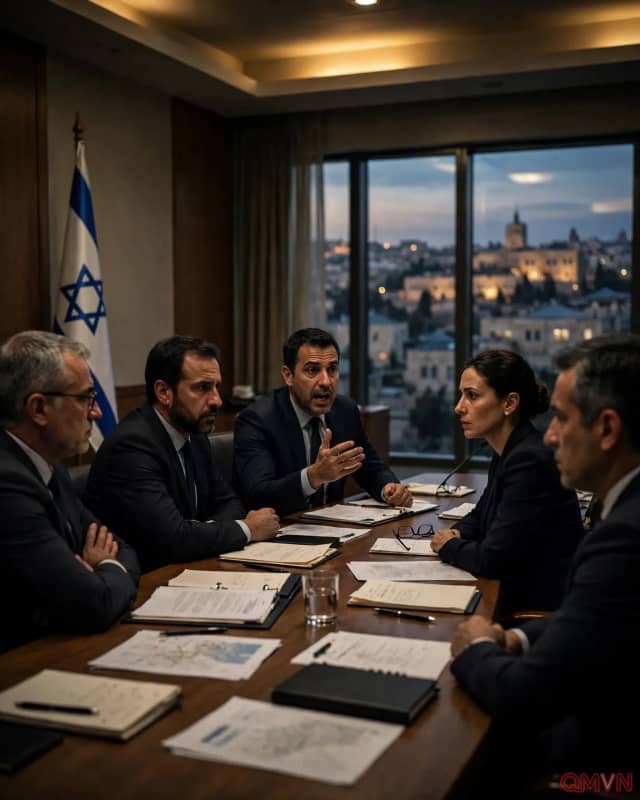
Netanyahu has emphasized his experience in wartime, close ties with U.S. President Donald Trump and forceful approach to Iran.