One prize, two views
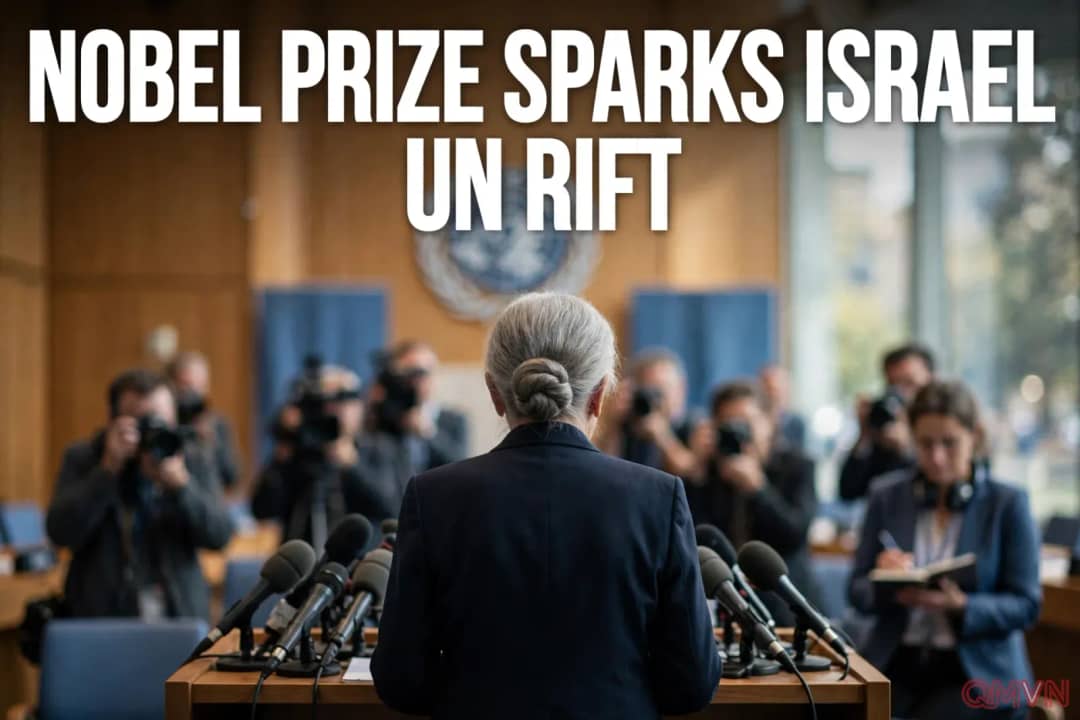
According to the Associated Press, the Nobel Committee’s choice of Navi Pillay has laid bare the chasm between Israel and international institutions. Many Israelis see the award as a public rebuke of their country, coming just days after the anniversary of the October 7, 2023, Hamas attack that triggered the war.
On X, Israel’s Foreign Ministry said the prize was not a recognition of justice but the turning of an award into a weapon to legitimize anti-Israel hatred and prejudice, even invoking the Nazi propagandist Joseph Goebbels. Allegations of genocide are especially explosive in Israel, a country founded in part as a refuge for Holocaust survivors. Just hours after the prize was announced, the United States unveiled a raft of sanctions targeting the International Criminal Court.
A life devoted to international justice
Over a career spanning decades, Pillay served at the highest levels of institutions created after World War Two. As a young lawyer in South Africa, she campaigned against apartheid and for the release of Nelson Mandela. As an international jurist, she helped sentence dozens of people involved in the 1994 Rwandan genocide, served as a judge at the International Criminal Court from 2003 to 2008, and became UN High Commissioner for Human Rights.
She currently serves as an ad hoc judge at the International Court of Justice in the genocide case against Myanmar. Announcing the prize in Oslo, Norwegian Nobel Committee Chair Jørgen Watne Frydnes praised her work as a source of hope and inspiration for all who seek a more peaceful world.
A report that shook the world
Pillay chaired a three-member panel set up by the UN Human Rights Council that concluded last year that Israel had committed genocide in Gaza. The 22-page report rested on grounds including:
- The death toll in Gaza.
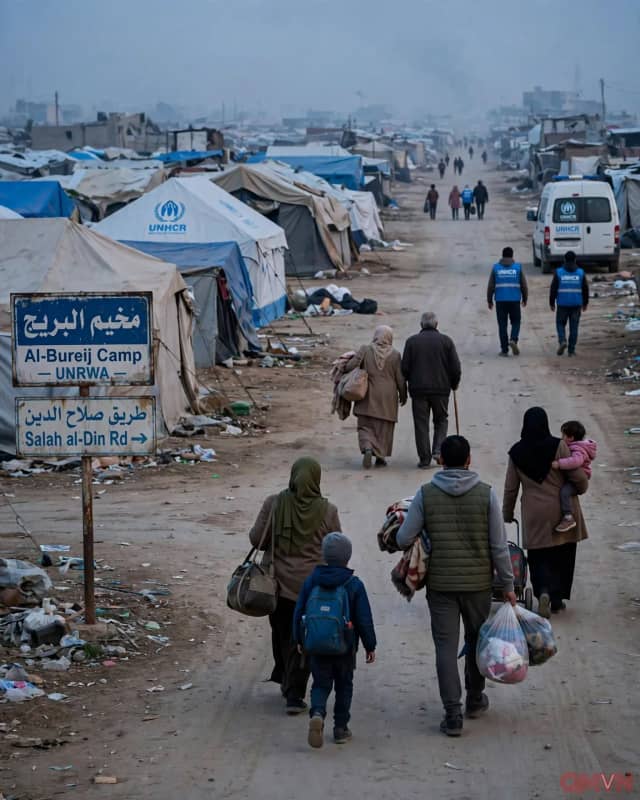
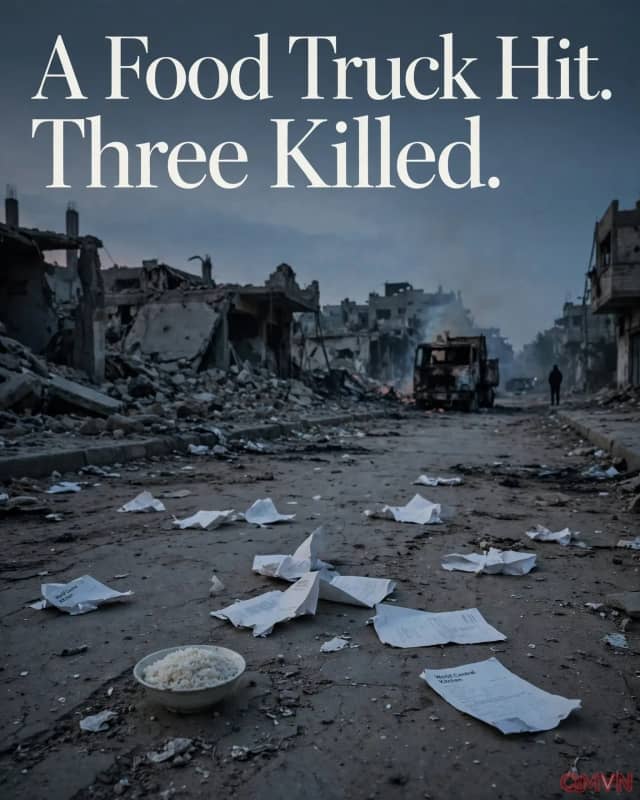
- Israeli restrictions on humanitarian aid that led to widespread hunger.
- What it described as a policy of systematically destroying the health care system.
- The direct targeting of children and statements it said showed intent by Israeli civilian and military officials.
Israel vehemently denies the allegations, calling them an antisemitic blood libel. The Israeli military says it takes extraordinary measures to avoid harming civilians and blames their deaths on Hamas for operating in densely populated areas.
The commission has also accused Hamas of war crimes in the October 7, 2023, attack, in which about 1,200 people were killed and 251 abducted. According to Gaza’s Health Ministry, Israel’s retaliatory offensive has killed more than 74,000 Palestinians.
A long confrontation with the United Nations
The commission Pillay led was created after the 2021 Israel-Hamas war and was the first with an open-ended mandate. Critics say such permanent scrutiny reflects anti-Israel bias, while supporters say it is needed to monitor injustices faced by Palestinians. Israel has refused to cooperate, pointing to the presence of notoriously repressive states on the 47-member Human Rights Council and accusing it of singling out Israel while ignoring abuses elsewhere. In 2022, one commission member stirred controversy by referring to a “Jewish lobby,” though Pillay later said he had been misquoted.
Last year, Pillay and the other members resigned, citing personal reasons and the need for change. Speaking to the AP at the time, she insisted the panel was independent, rejected accusations of antisemitism and said critics had distorted the facts. She challenged them to point to specific errors in the report.
Which of the facts that we have set out are incorrect?
The West Bank and questions about the future
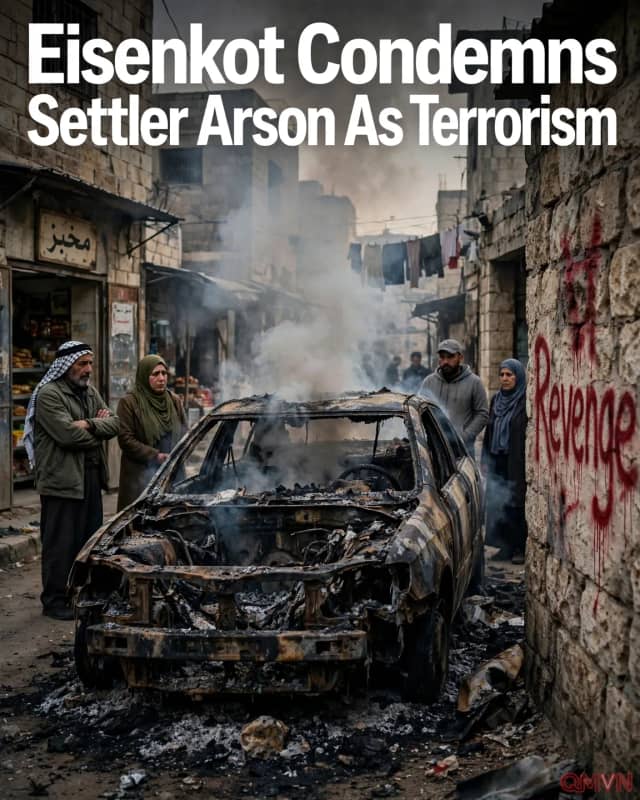
Even before the current war, the commission accused Israel of de facto annexation of the West Bank, captured in 1967 along with Gaza and East Jerusalem, through settlement expansion, demolitions of Palestinian homes and the fragmentation of Palestinian life. The International Court of Justice later issued a landmark ruling that Israel’s occupation of these territories was unlawful. Israel’s UN mission rejected the report at the time as part of an anti-Israel agenda.
Israel’s current government opposes Palestinian statehood. Israel regards the West Bank as the biblical and historical cradle of Judaism and fears that withdrawal would pave the way for a Hamas-run state threatening its existence. Prime Minister Benjamin Netanyahu has called the genocide accusations the biggest lie of the century. The commission, for its part, warned that calls for the “voluntary migration” of Gaza’s population, if carried out, would amount to forcible transfer, a crime against humanity.