Revelations on the eve of the vote
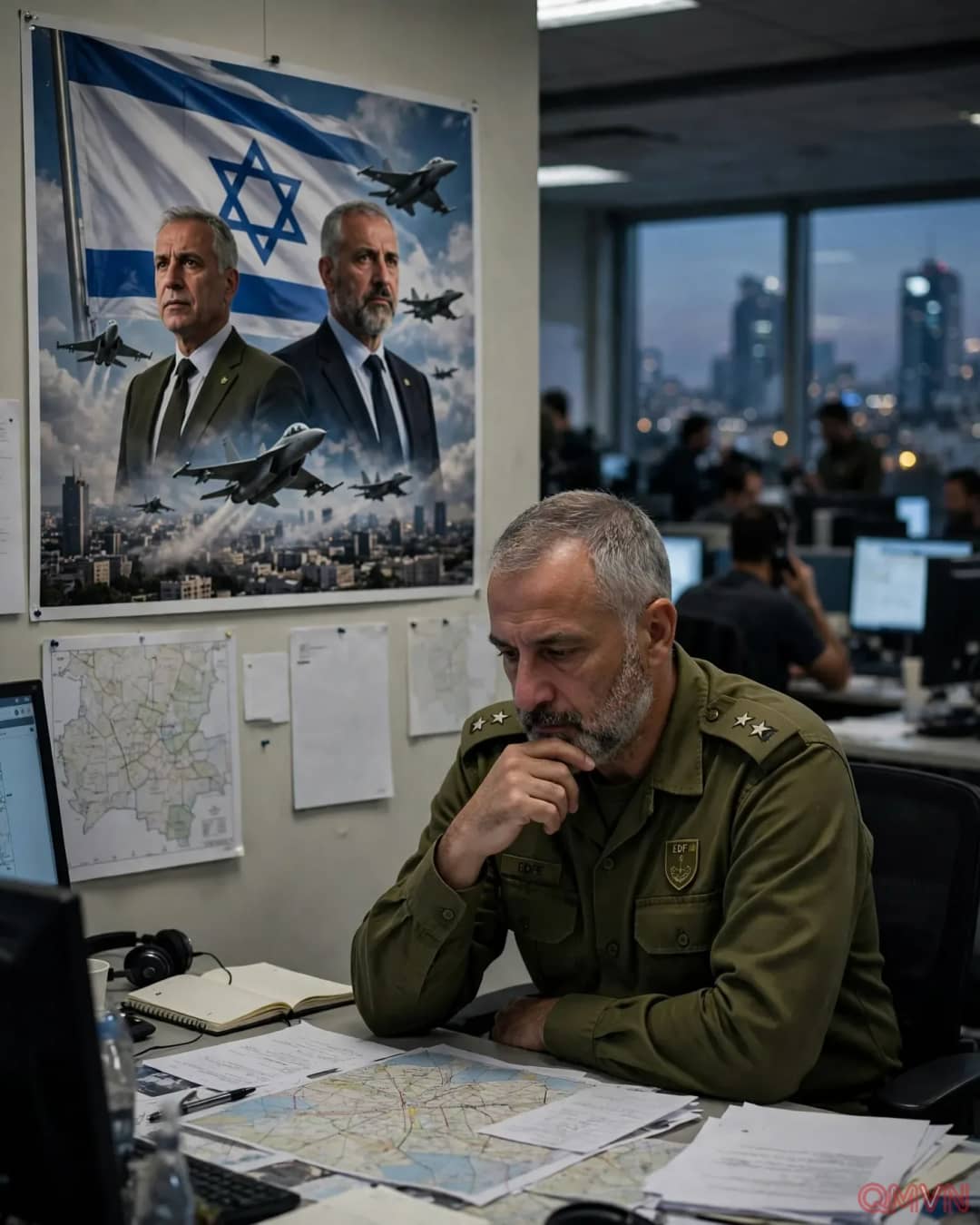
According to The New York Times, citing three senior defense officials and three other people briefed on the matter, Netanyahu sought for weeks to orchestrate a new airstrike on Iran before the election. General Eyal Zamir raised a number of objections and concluded there was no urgent need for action. In recent days, according to an official and a person briefed on the matter, the general also became concerned that Netanyahu had shifted to pushing for a separate action short of an overt strike, which he considered a miscalculation that could provoke Iran into attacking Israel.
The sources said Zamir was not opposed in principle to acting against Iran, but objected to doing so just before the election. He and air force commander Omer Tischler cited political sensitivities and the difficulty of explaining the timing to the public. The Israeli military said its operational decisions are based strictly on security considerations and its responsibility as a national institution. Netanyahu's spokesmen did not immediately respond to requests for comment.
Public uproar and a treason accusation
The reports of disagreement between the prime minister and the military, first broadcast by Israel's Channel 12, sparked outrage at home. Avigdor Liberman, a former defense and foreign minister in earlier Netanyahu governments, filed a complaint asking the attorney general to investigate whether the prime minister had committed treason, arguing that dragging the country into war out of fear of electoral defeat amounts to betraying the nation.