MAIN ARTICLE
A journey interrupted, a country in mourning
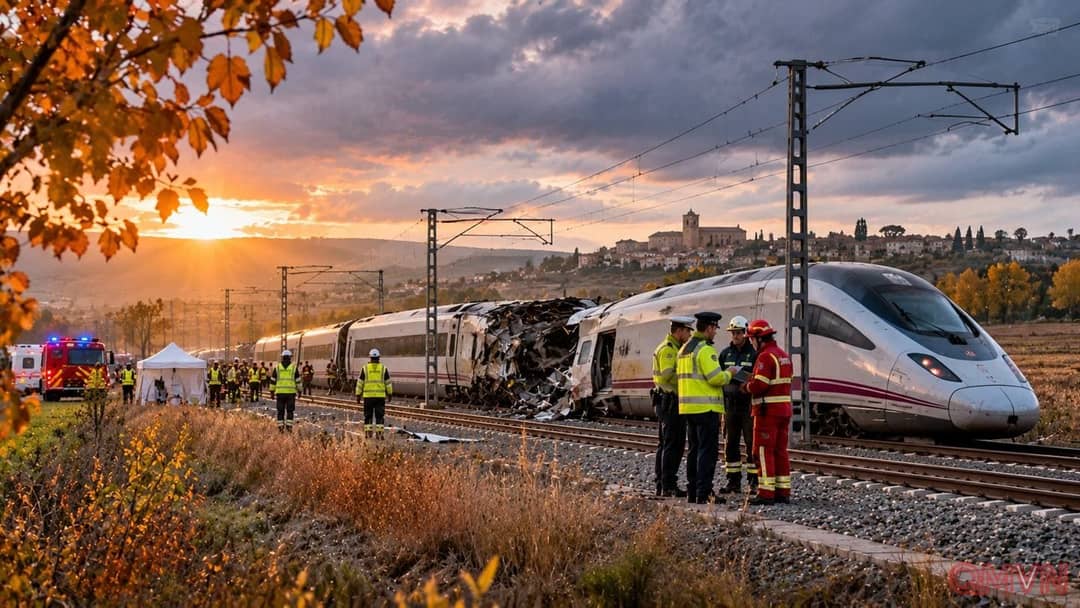
The October 28 collision occurred on the Madrid–Seville route, near Urda in central Spain. A Renfe high-speed service ran into the rear of an Iryo train that had stopped on the line. Rescue crews worked among severely damaged carriages as families sought news of loved ones. Reuters and AP reported at least 69 deaths by the end of October, with investigations and identification efforts continuing. That is a provisional toll rather than a final accounting of the catastrophe.
For commuters, holidaymakers and relatives travelling to reunions, high-speed trains had represented a combination of speed and reliability. Two deadly disasters on the same rail corridor within one year have unsettled that assumption. The consequences reach beyond cancelled services: passengers are reconsidering the institutional promise that a technical failure should not be allowed to become a mass-casualty event.
What failed: one instruction or several layers of protection?
According to information released by Spain’s transport authorities, the LZB train-control system experienced a failure before the collision. Operators then managed traffic under backup procedures and communicated instructions to drivers. Transport Minister Óscar Puente has criticised a decision permitting the Renfe train to proceed at normal speed while another train remained ahead. Yet determining responsibility requires evidence from recorded communications, train data and applicable operating rules; an early official explanation is not a judicial finding.