MAIN CONTENT
A diplomatic opening without a settled format
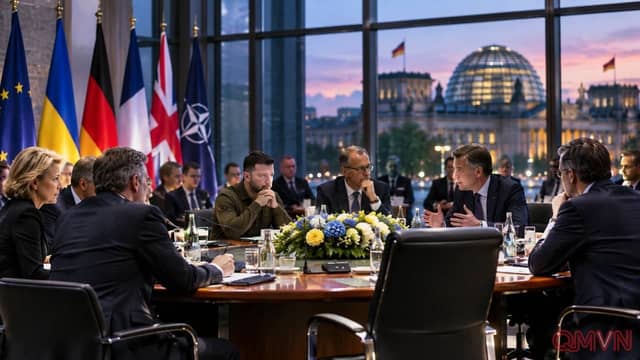
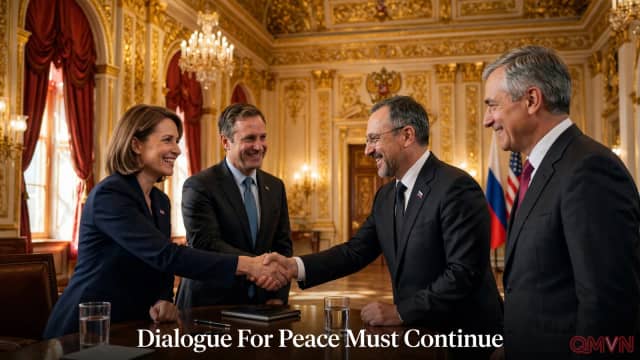
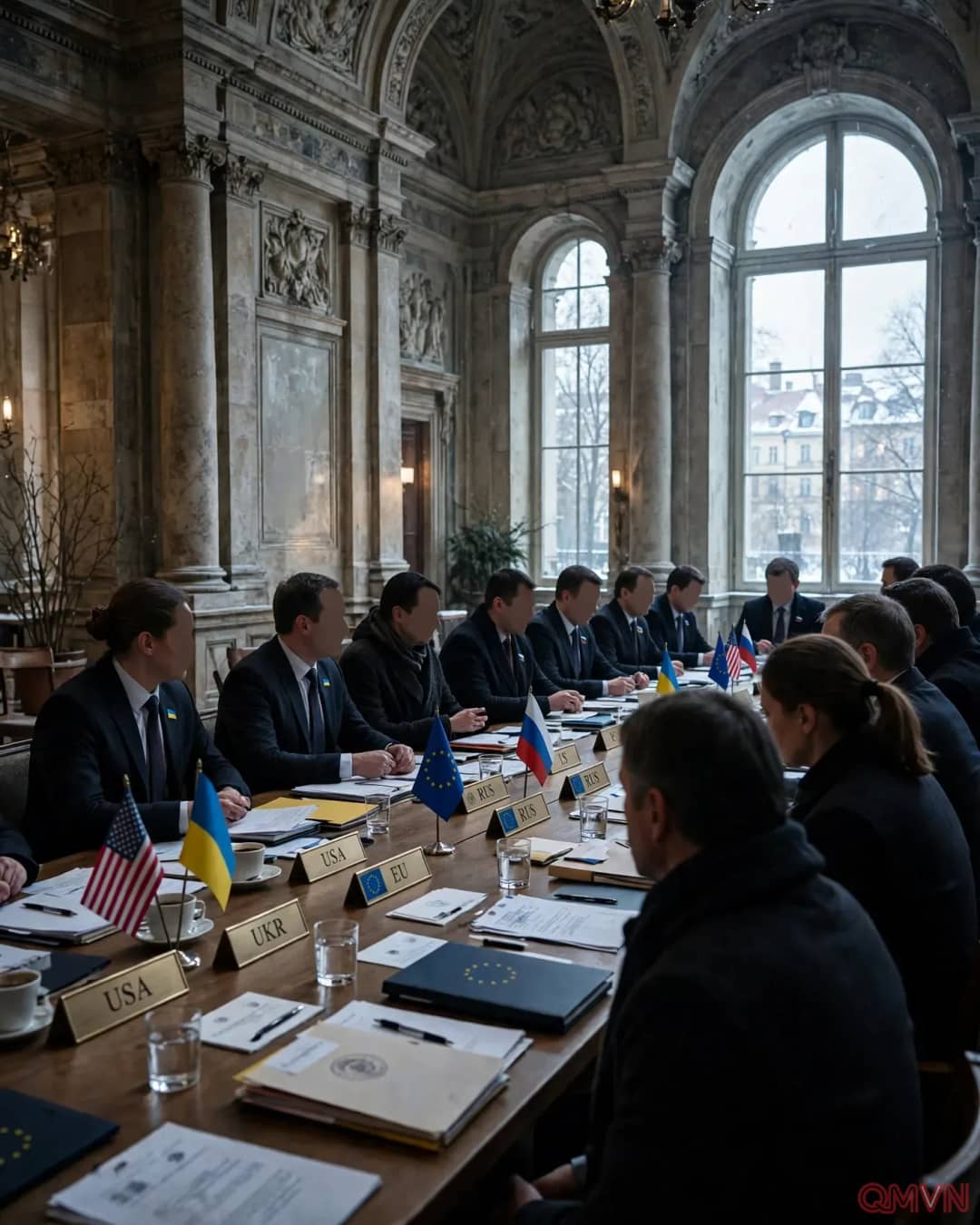
After roughly two hours of discussions at the Kremlin, Witkoff said Europeans would join a subsequent meeting. Kushner suggested Washington had detected a shift among its allies. Putin's foreign-policy aide Yuri Ushakov, however, did not endorse a detailed participation formula, and Russian officials continued to criticize European military support for Kyiv. Distinguishing an American negotiator's declaration from a fully accepted multilateral arrangement is essential when assessing whether anything substantive has changed.
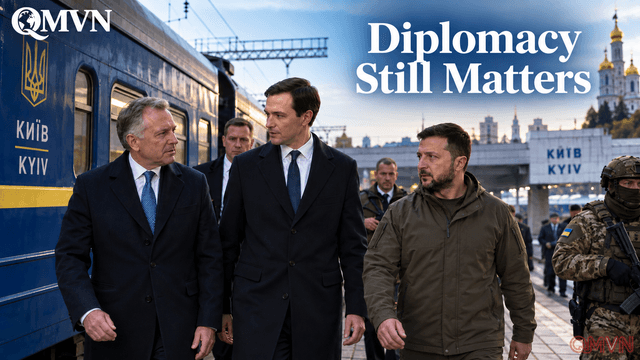
In Dublin, Zelenskyy welcomed the prospect of European representatives taking part. Kyiv's argument is straightforward: governments that will live with the postwar security order cannot be confined to an audience role. According to the Associated Press, European security advisers were present on the sidelines in Abu Dhabi, but not inside the principal bargaining session. Converting their presence into meaningful representation requires agreement on both participants and decision-making procedures.
Territory remains the central divide
The U.S.-mediated Abu Dhabi meetings were the first direct Russia–Ukraine negotiations in approximately nine months. They yielded limited progress, including an understanding on a prisoner exchange, but no territorial breakthrough.