China accuses the US of using spy claims around Jensen Huang as a pretext for a technology “blockade” ahead of the APEC summit
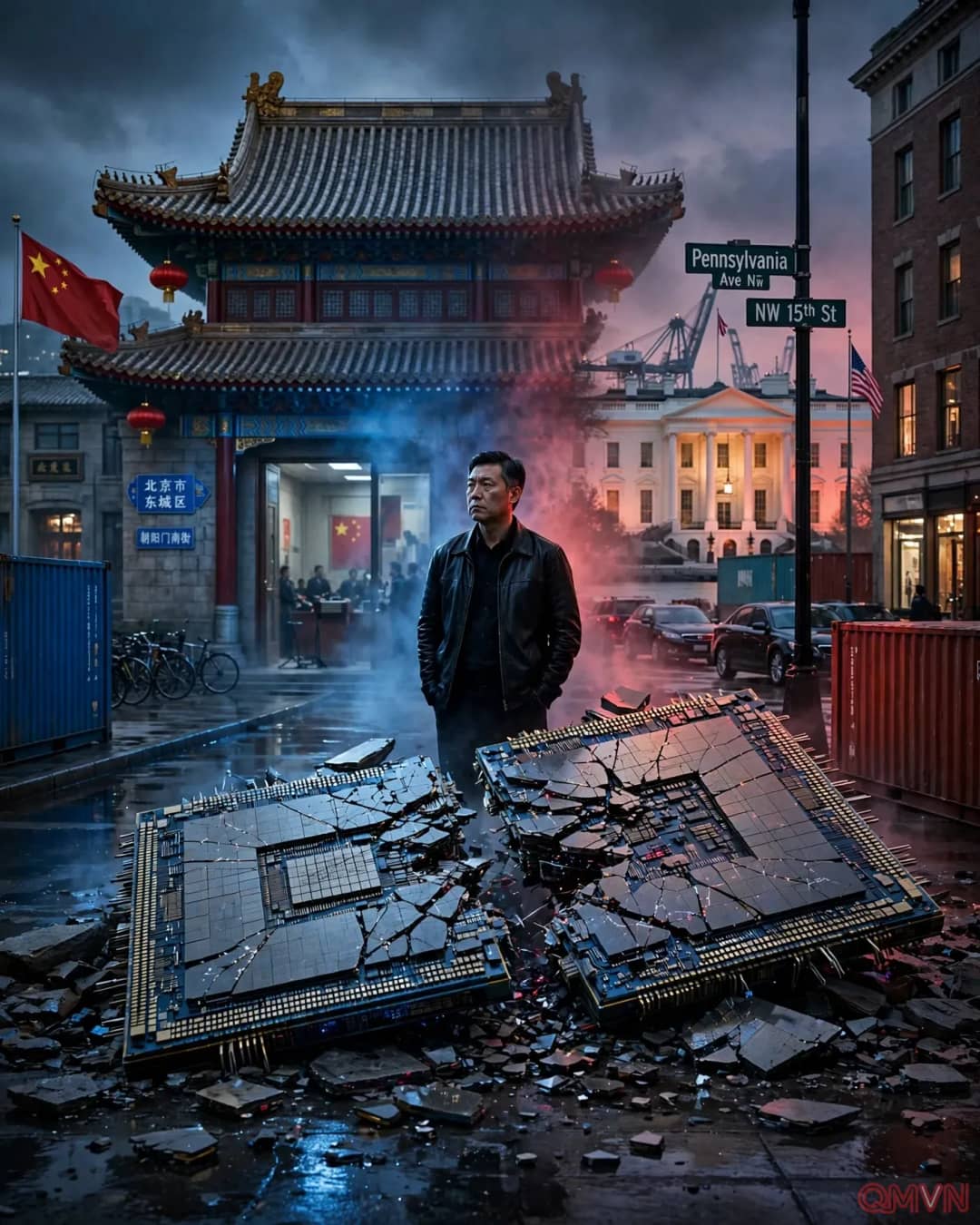
On November 12, Beijing accused Washington of fabricating “spy” narratives around Nvidia chief executive Jensen Huang to justify a technological blockade against China. The remarks came after Huang admitted to an extramarital affair, reportedly with Alice Huang, a former executive at Singapore-based Megaspeed whom US officials believe worked for Chinese intelligence. While Beijing dismisses all the allegations as groundless speculation, US lawmakers from both parties are using the scandal to push a slate of bills tightening exports of AI chips to China. Tensions are rising just days before a planned meeting between President Donald Trump and President Xi Jinping at the APEC summit in Shenzhen, putting the technology race between the two powers in the spotlight once again.
Tiếng Nói QUANG MINH·2 min read · 4 min listen·12 November 2026, 04:06 EST·
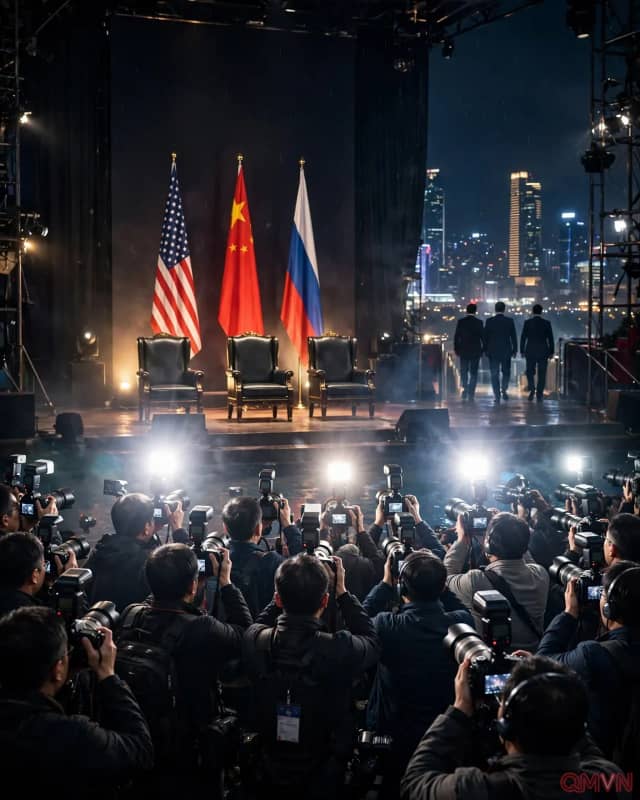
AI-generated illustration
Beijing pushes back
At a regular briefing, Chinese foreign ministry spokeswoman Mao Ning said Beijing had already made its position on the so-called espionage claims clear, stressing that China’s technological progress is driven by independent innovation and open cooperation.
The US side should stop fabricating such ‘spy’ narratives as a pretext for imposing a technological blockade.
China had earlier called the reports about spying on Huang groundless speculation and an attempt to smear China.
Advertisement
300 × 250
Beijing has also repeatedly denounced US export control bills as attempts to weaponise trade and technology.
Washington steps up pressure on export controls
According to the South China Morning Post, the scandal and the Democrats’ takeover of Congress have given strong momentum to bills targeting China. Lawmakers want three bills included in the annual National Defense Authorization Act (NDAA), among them:
The AI Overwatch Act, co-sponsored by Republican Senator Jim Banks and Democratic Senator Elizabeth Warren, who cited the Nvidia case in calling for its passage.
The Chip Security Act, proposed by Democratic Representative Bill Foster and Republican Representative Bill Huizenga.
Earlier bipartisan initiatives to prevent the administration from loosening rules that restrict China’s access to Nvidia and AMD AI chips.
It’s time to get it across the finish line.
The White House walks a tightrope
Huang has spent years lobbying against curbs on sales of advanced chips to China, arguing that US companies need to compete in that market. In 2025, President Trump cleared exports of Nvidia’s H200 chips to China under an arrangement that sends 25% of sales to the US government, over objections from hawks in both parties. He has not, however, allowed exports of the top-of-the-line Blackwell chips.
Trump has yet to speak out in favour of the new bills. On November 9, he said he believed Huang’s account that he knew nothing about the woman’s alleged activities, and that he did not intend to raise the matter with Xi.
A shadow over the Shenzhen summit
The APEC summit is due to take place in Shenzhen, the tech hub in southern China, on November 18-19. According to CNN, it will be the third meeting between the two leaders this year. The affair risks turning a chief executive once welcomed everywhere into a diplomatic liability, as Trump gave no definitive answer on whether Huang would join the trip.
For the White House, it is a difficult equation: appearing tough on China without hurting a key US industry, while keeping the atmosphere favourable for the summit.
EVENT BACKGROUND
The story begins with the years-long US–China technology rivalry, in which Washington has repeatedly tightened exports of advanced AI chips to China since 2022 over national security concerns. Nvidia, the world’s leading AI chip supplier, sits at the centre: the company has had to design special versions of its chips for the Chinese market, while Huang has lobbied relentlessly for looser restrictions. In Trump’s second term, policy has at times reversed: the H20 chip was banned and then allowed again on condition of revenue sharing, and later the H200 was also given the green light. In late October 2026, The New York Times revealed Huang’s relationship with Alice Huang, an executive at Megaspeed – a company under investigation by the United States and Singapore over suspected diversion of restricted chips to China. On November 8, Huang admitted to an affair, sending Nvidia shares sliding and prompting the board to weigh his future. The core knot is the clash between two views: Washington sees chips as strategic security assets to be protected, while Beijing sees restrictions as an effort to hold back its legitimate development.
USEFUL LESSONS FROM THE ARTICLE
In a technology race, a personal scandal can quickly become a political weapon.
When trust between great powers runs dry, every story is told in two versions.
True innovation needs openness, but lasting openness needs trust.
Subscribe to the QMVN newsletter
A daily morning digest - only stories worth reading, no spam.