MAIN CONTENT
Diplomacy at the edge of a transition
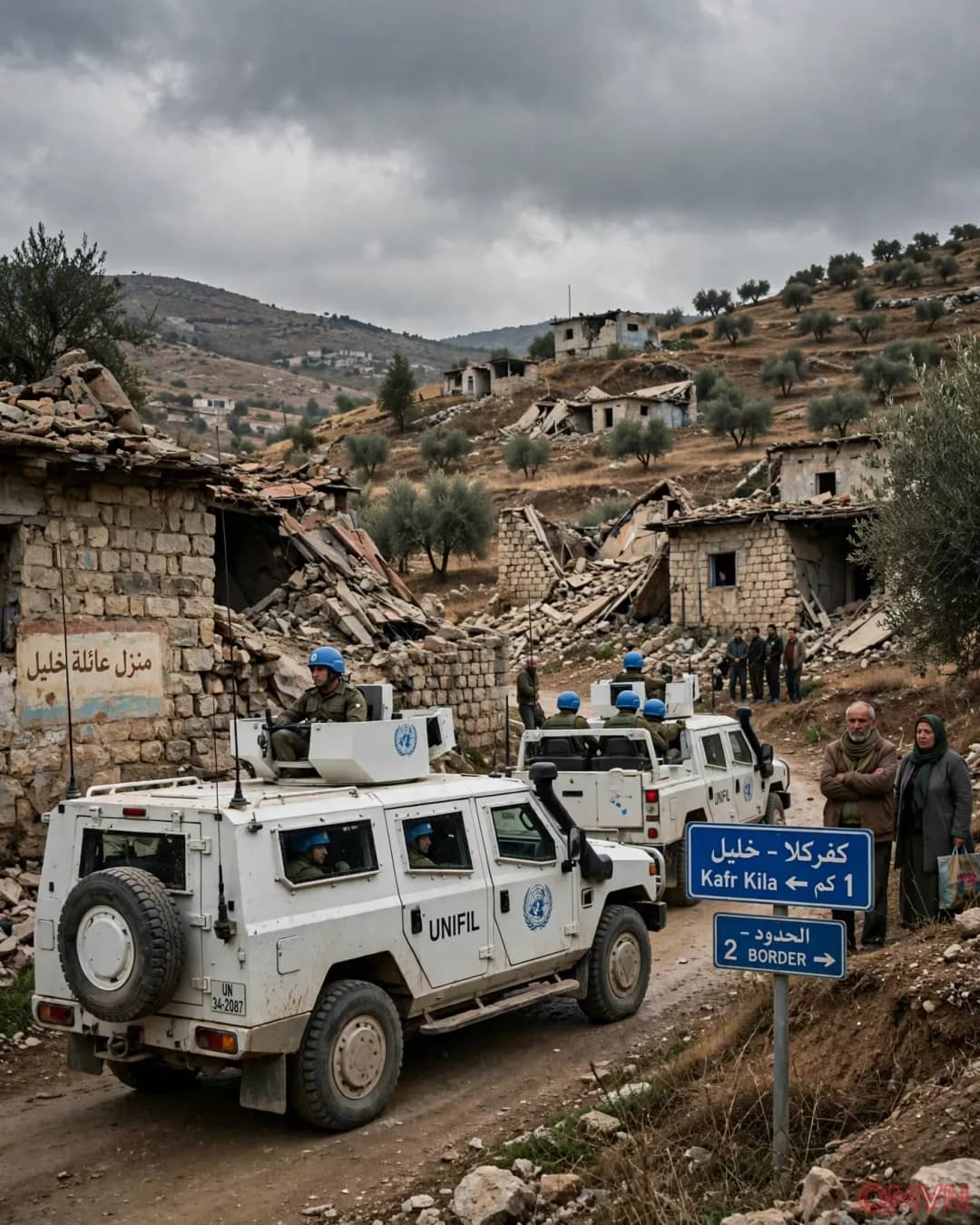
Mike Waltz arrived in Beirut on November 15, according to reports of his visit and an account of his office's agenda. His discussions with senior Lebanese officials and UN representatives concern implementation of a bilateral security framework, the conclusion of UNIFIL's operational mandate and the transfer of security responsibilities to Lebanese institutions. The diplomatic push comes as a UN operation established almost half a century ago prepares for an unusually consequential transition.
Saudi broadcaster Al-Hadath, citing a diplomatic source, described a possible multinational presence of up to 100 personnel, with a remit that could extend north of the Litani River. Other regional outlets reported comparable possibilities. The headcount, geographic scope and mandate should nevertheless be treated as unconfirmed negotiating ideas. Neither a publicly agreed deployment plan nor a new authorizing Security Council resolution has emerged from these reports.
What could fewer than 100 observers accomplish?
UNIFIL currently helps monitor the Blue Line, liaises with opposing forces and supports the Lebanese Armed Forces in establishing effective state authority in southern Lebanon. Its established tasks, particularly those associated with Security Council Resolution 1701, have relied on a far larger field presence.