MAIN ARTICLE
A narrow passage with worldwide consequences
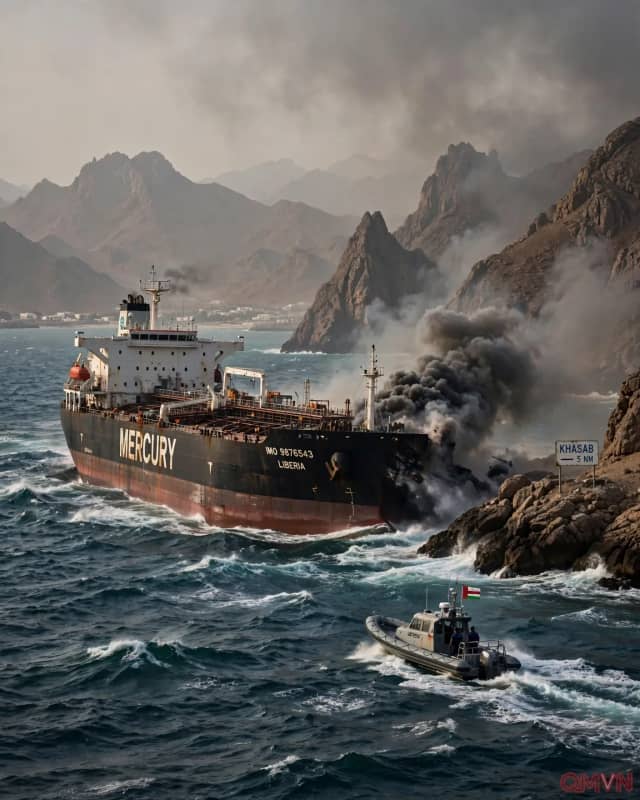
The Washington Post reported on October 8 that United Nations data counted nine vessels struck in the week ending October 4, while maritime intelligence company Kpler recorded ten tankers in the same period. Such tallies need not match exactly because verification procedures and reporting cutoffs differ. Together, however, they describe a sharp deterioration in the conditions facing shipowners, crews and insurers.
According to Kpler figures cited by the newspaper, crude shipments through the strait fell from nearly 16 million barrels on a Friday to roughly half that volume by the following Monday. No known shipment of finished fuels such as gasoline or diesel transited that Monday, the report said. These figures represent specific days, not a permanent closure. Even a temporary interruption, though, can increase insurance premiums, freight charges and the precautionary stocks companies feel compelled to hold.
The protection—and limits—of naval power
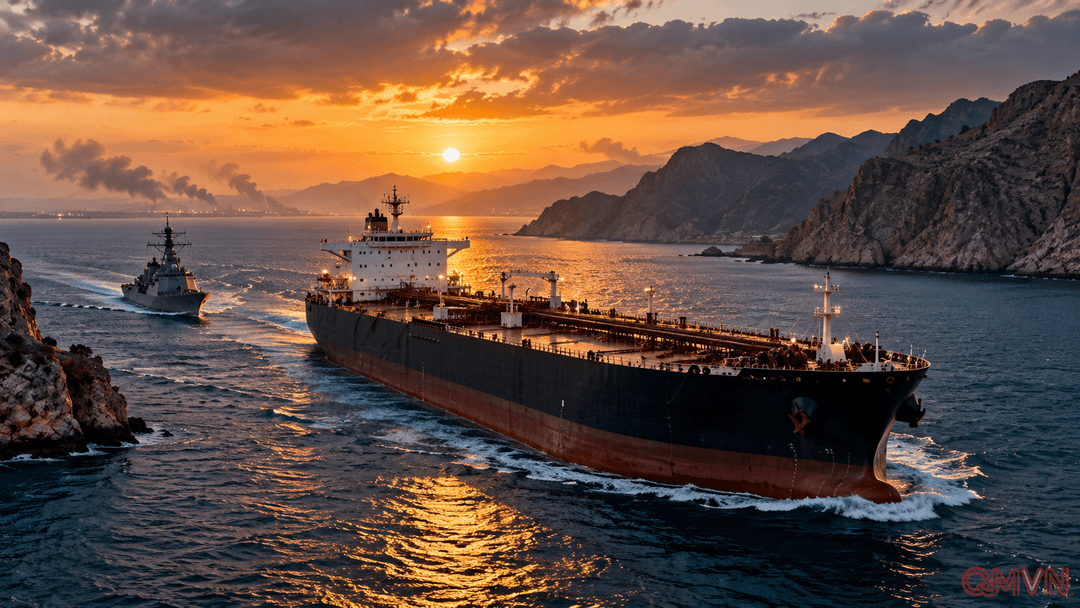
US naval forces have expanded operations intended to shield merchant traffic, deploying ships and aircraft around vulnerable passages. But close coastal geography, heavy traffic and diverse threats make perfect protection impossible.