MAIN CONTENT
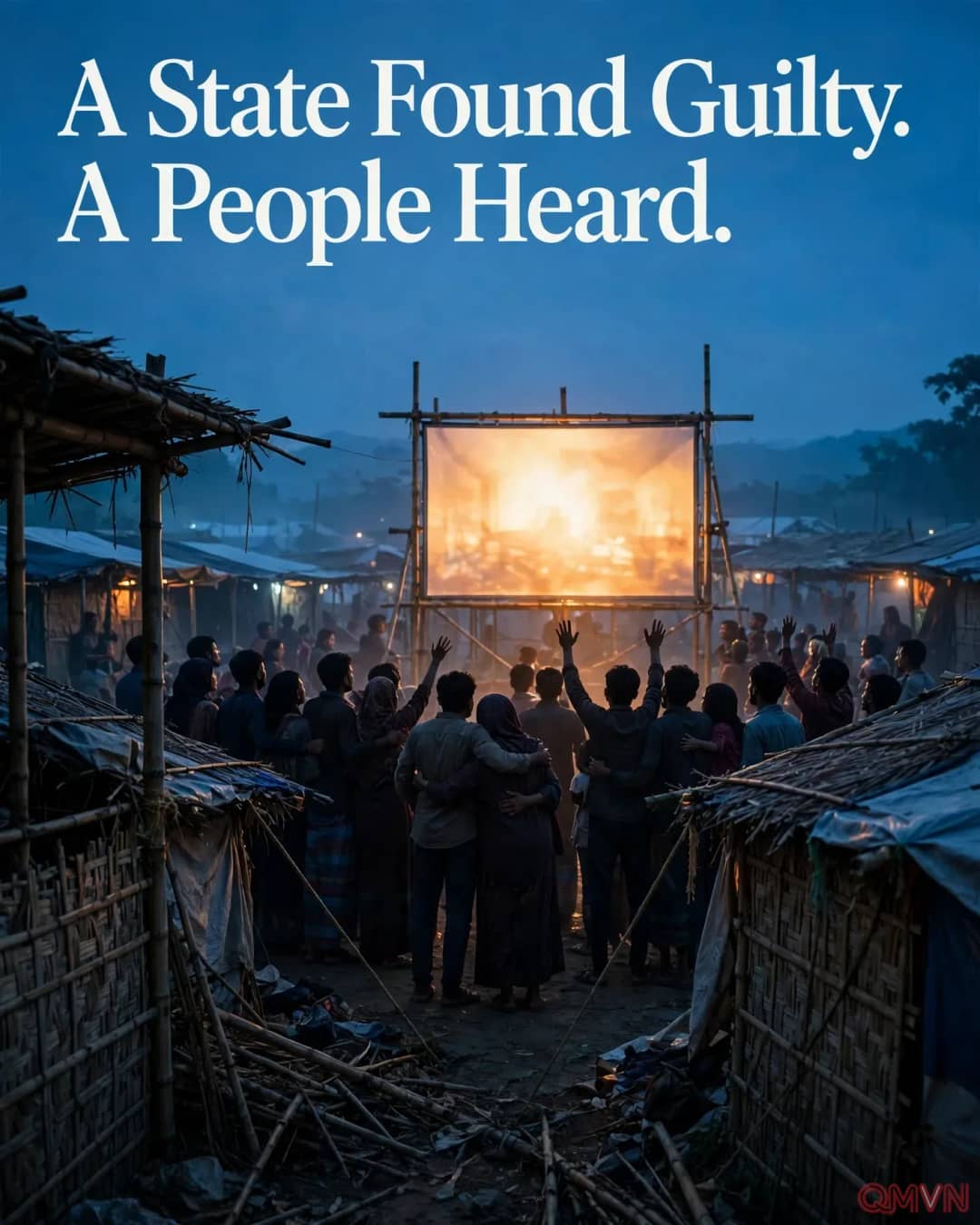
A finding that names the crime
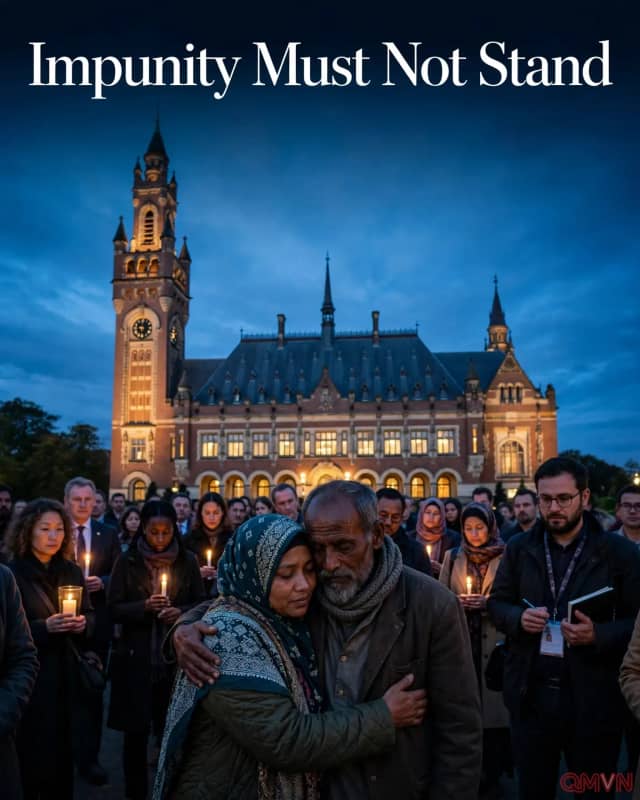
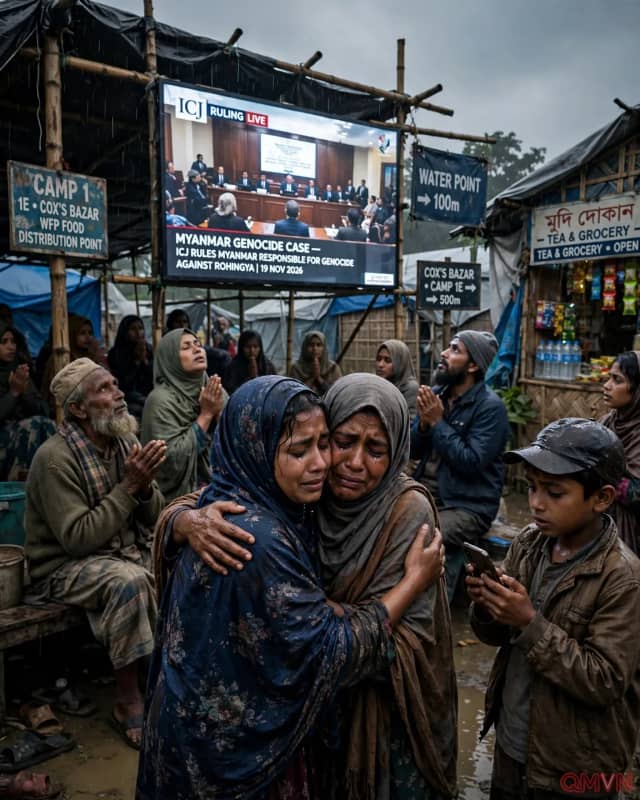
The court's president, Judge Yuji Iwasawa, described a record of thousands of Rohingya civilians killed, systematic sexual violence, attacks on children and violence against people attempting to flee. Judges also examined the destruction of villages and the role of rhetoric directed against the community. Their central conclusion was not merely that terrible abuses occurred, but that the pattern supported the specific intent required under the 1948 Genocide Convention.
A panel of 15 judges held Myanmar accountable for acts of its security forces. Drawing on the investigative record, the court cited a United Nations fact-finding estimate of at least 10,000 deaths during the 2017 operations. The finding matters because genocide is a narrowly defined legal offence: neither the scale of suffering alone nor the brutality of a conflict automatically establishes the intent to destroy a protected group.
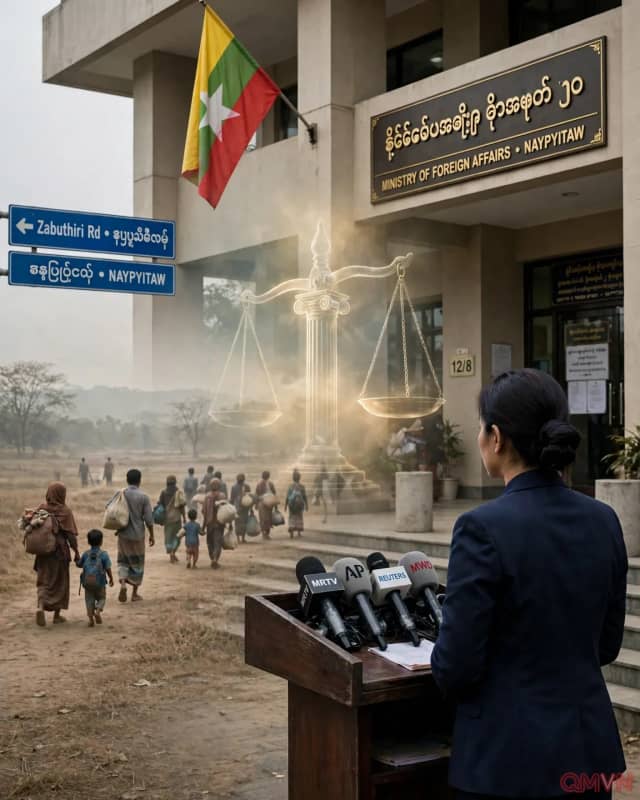
Myanmar has previously argued that its forces were responding to an insurgency and has denied committing genocide. The judgment rejects that defence as an explanation for the conduct examined, while distinguishing state responsibility before the ICJ from the criminal guilt of particular individuals, which would require separate proceedings.