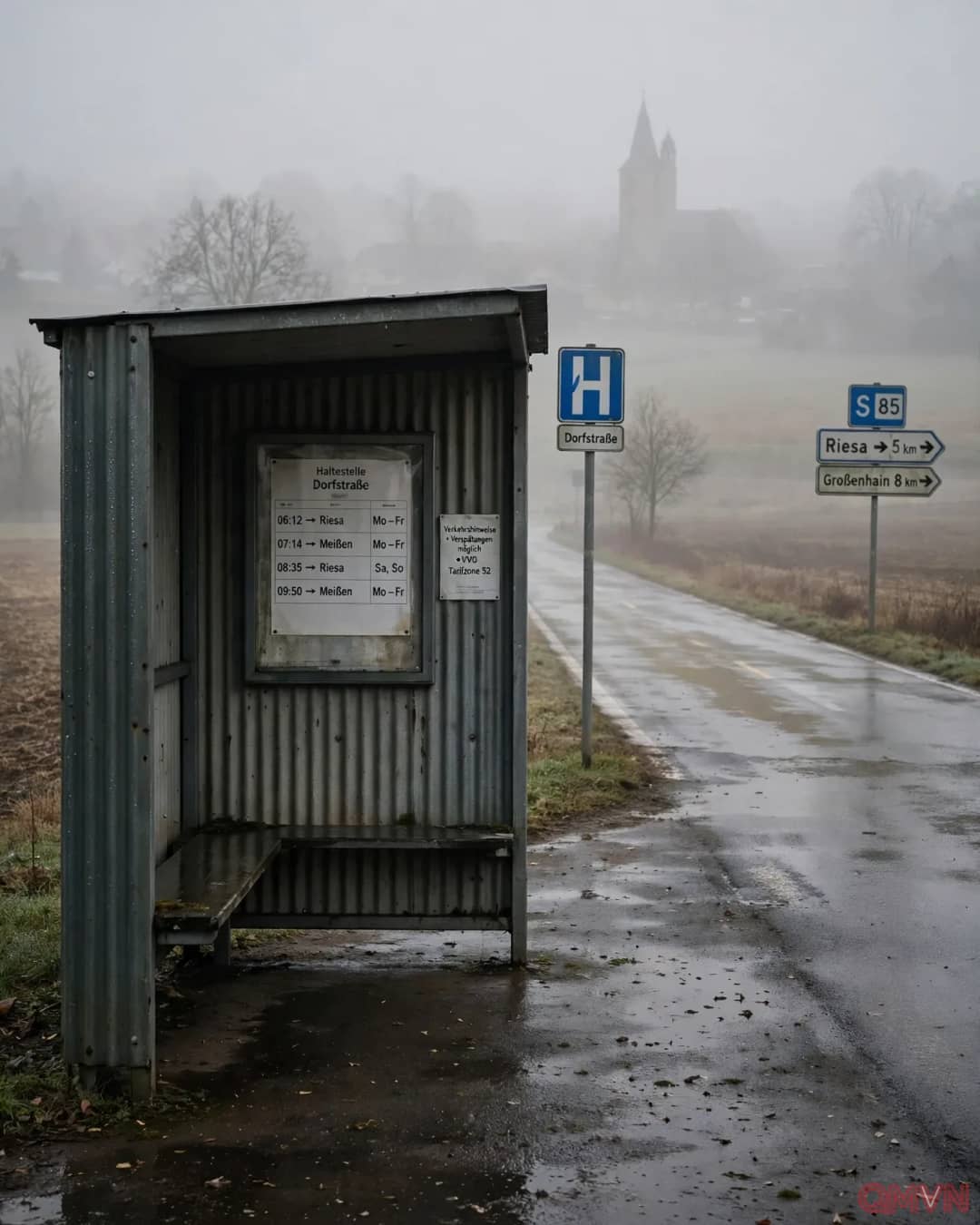
A fairly good network nationwide
Eisenmann, who heads infrastructure and mobility planning at the Brandenburg University of Technology Cottbus, cites a 2022 study by the Federal Institute for Research on Building, Urban Affairs and Spatial Development: 86% of Germans can walk to a stop with at least 28 departures a day. In Berlin and Hamburg, the figure is 99%. Rural states have a harder time: Mecklenburg-Western Pomerania is lowest at 66%, while Brandenburg reaches 78% thanks to lines running into Berlin.
A gap between data and perception
The 2022 “Mobility Barometer” by the Allianz pro Schiene alliance revealed a mismatch: in Saarland, 94% of residents are objectively well connected, but only 61% are satisfied with the number of departures at their nearest stop. According to Eisenmann, what matters is not just distance to the stop but where the lines go and how frequently they run.