MAIN ARTICLE
A chain of reprisals from Bahrain to Qeshm
Iran’s Revolutionary Guards said they launched drones on November 17 toward a US-operated radar system at Sheikh Isa Air Base in Bahrain. Tehran characterized the operation as a response to what it described as repeated US military drone violations of Iranian airspace. Reuters and AFP reported the Iranian claim, but that account does not independently establish what prompted the strike. Bahrain said its defenses had confronted and intercepted aerial threats. The distinction between an announced target and verified damage matters in an atmosphere where competing statements emerge faster than independent investigations.
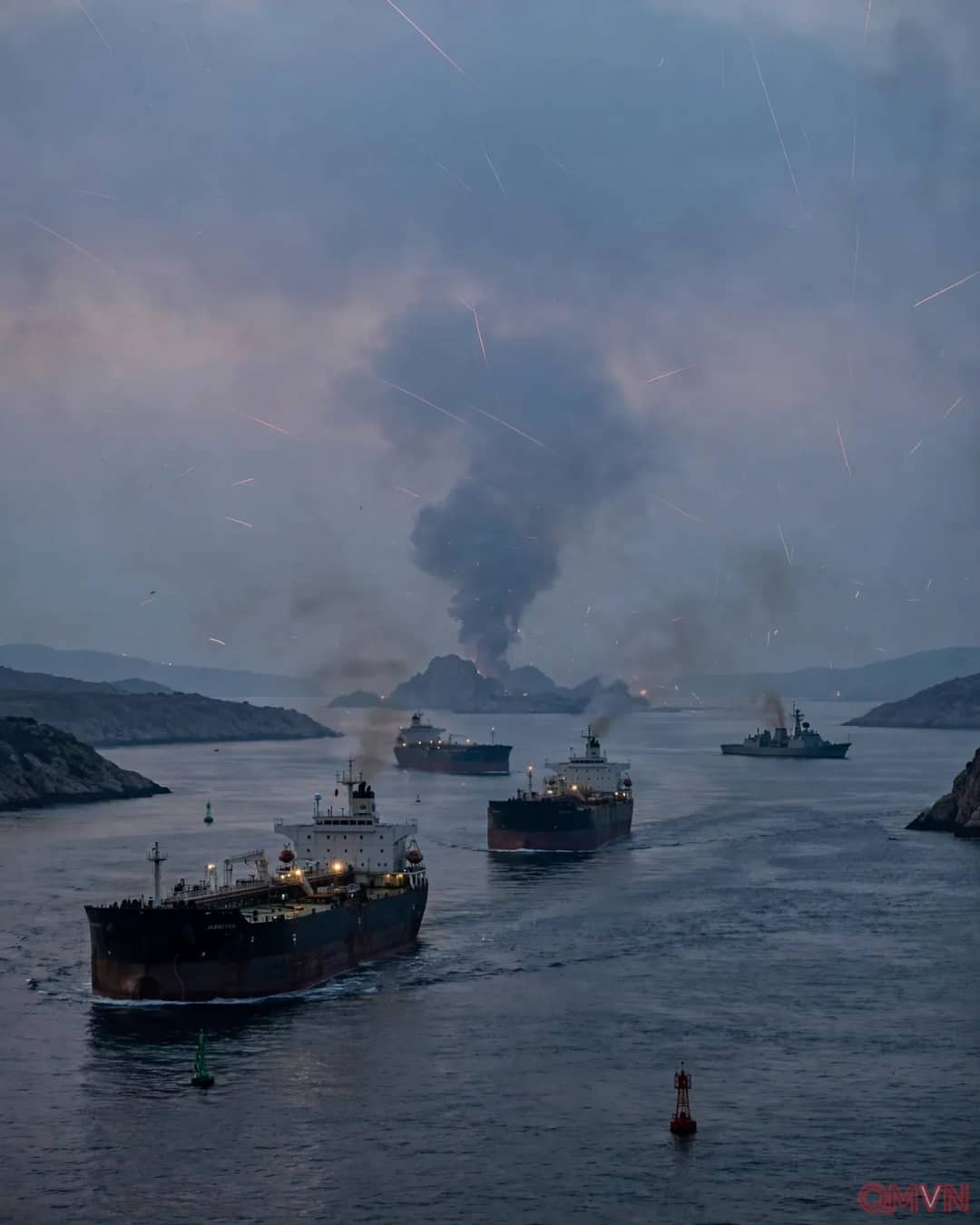
A US military official, speaking anonymously, subsequently said American aircraft employed precision weapons against an IRGC missile-launch site on Qeshm. Washington presented the action as self-defense following aggression against US personnel and assets. Iranian state media quoted a regional official saying the island had not sustained serious damage. Neither side’s immediate account offers a complete, independently verified assessment of the operation or any civilian consequences.
Early on November 18, Kuwait’s military reported responding to hostile drone threats and urged residents to follow safety guidance. Bahrain also said it had intercepted Iranian attacks. The alerts underscore how an exchange between two military powers reaches states that host or support US forces. For people living around the Gulf, the immediate questions are whether aircraft will be intercepted, whether essential services will continue and whether it is safe to travel to work.