A sequence of actions raising political temperature
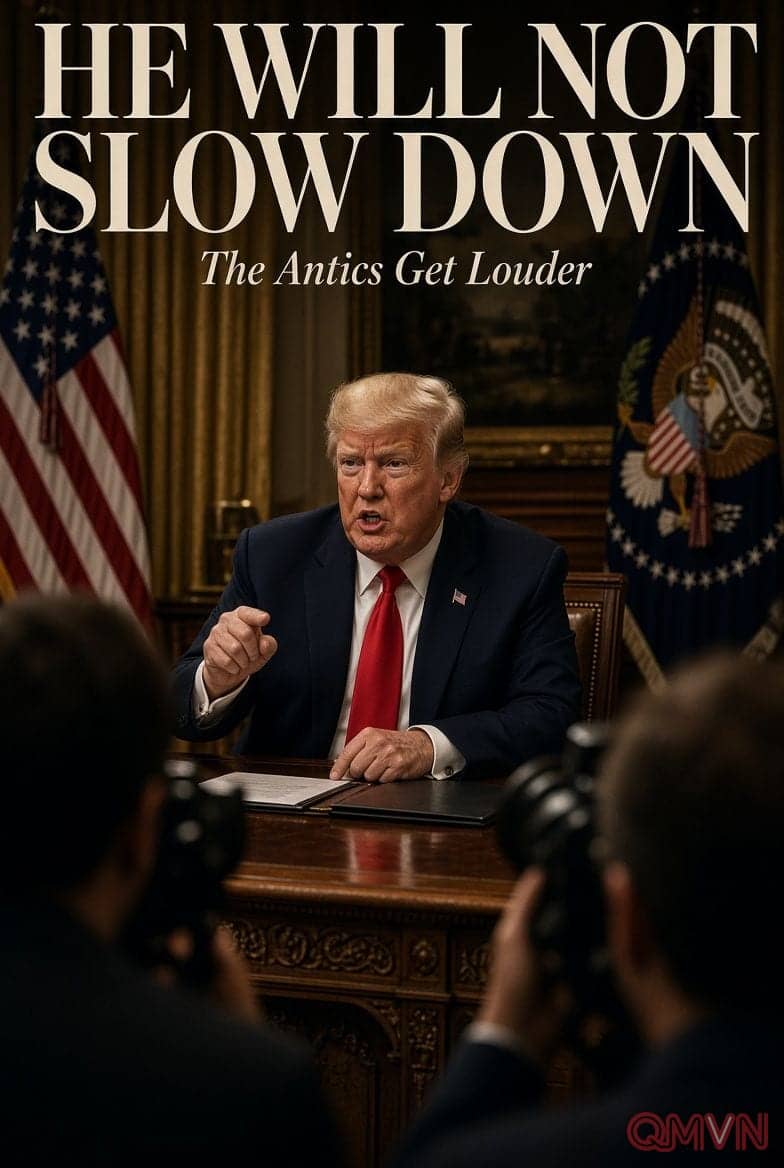
A CNN analysis described about 12 days in which Trump repeatedly generated headlines: making a financial offer linked to Republican control of Congress, joking or threatening about disaster aid, telling a disputed 9/11-related story, making an unsupported allegation of political conspiracy, issuing broad trade threats and fighting over the Kennedy Center. Not every statement has the same importance or legal consequence, but their accumulation makes style a central part of the political message.
In midterm elections, voters often assess an administration through prices, jobs, public services, security and their sense of stability. A president can use strong rhetoric to mobilise loyal voters, set the news cycle and put opponents on the defensive. But the approach carries risks: attention can shift away from policy achievements, unsupported statements can reduce trust, and conflict with institutions can leave an impression that government prioritises confrontation over governing.
Political strength is not only the ability to command attention; it is the ability to turn attention into trust and results.