CONTENT
Power supply constraints in the AI era and the strategic reallocation of electricity
The worldwide explosion of generative artificial intelligence workloads has pushed digital infrastructure toward acute physical resource limits. In an analytical treatise published in Forbes, LG Electronics CEO Lyu Jae-cheol warned that increasingly powerful AI processors are exerting unprecedented strain on regional power grids, municipal water supplies, and physical facility footprints, rendering conventional energy efficiency metrics inadequate for modern hyperscale operations.
Traditional benchmarks such as Power Usage Effectiveness (PUE) merely contrast total facility power against the electricity consumed by computing hardware. Lyu argued that hyperscale operators must prioritize how dynamically thermal solutions adapt to specialized accelerated architectures and local environmental constraints. Efficient thermal management accomplishes far more than trimming cooling overhead; it systematically unlocks scarce megawatts, reallocating critical grid capacity toward computationally intensive AI inference and model training.
"Cooling can make a meaningful difference, not only by reducing its own energy consumption, but also by making more power available for AI computing." - Lyu Jae-cheol
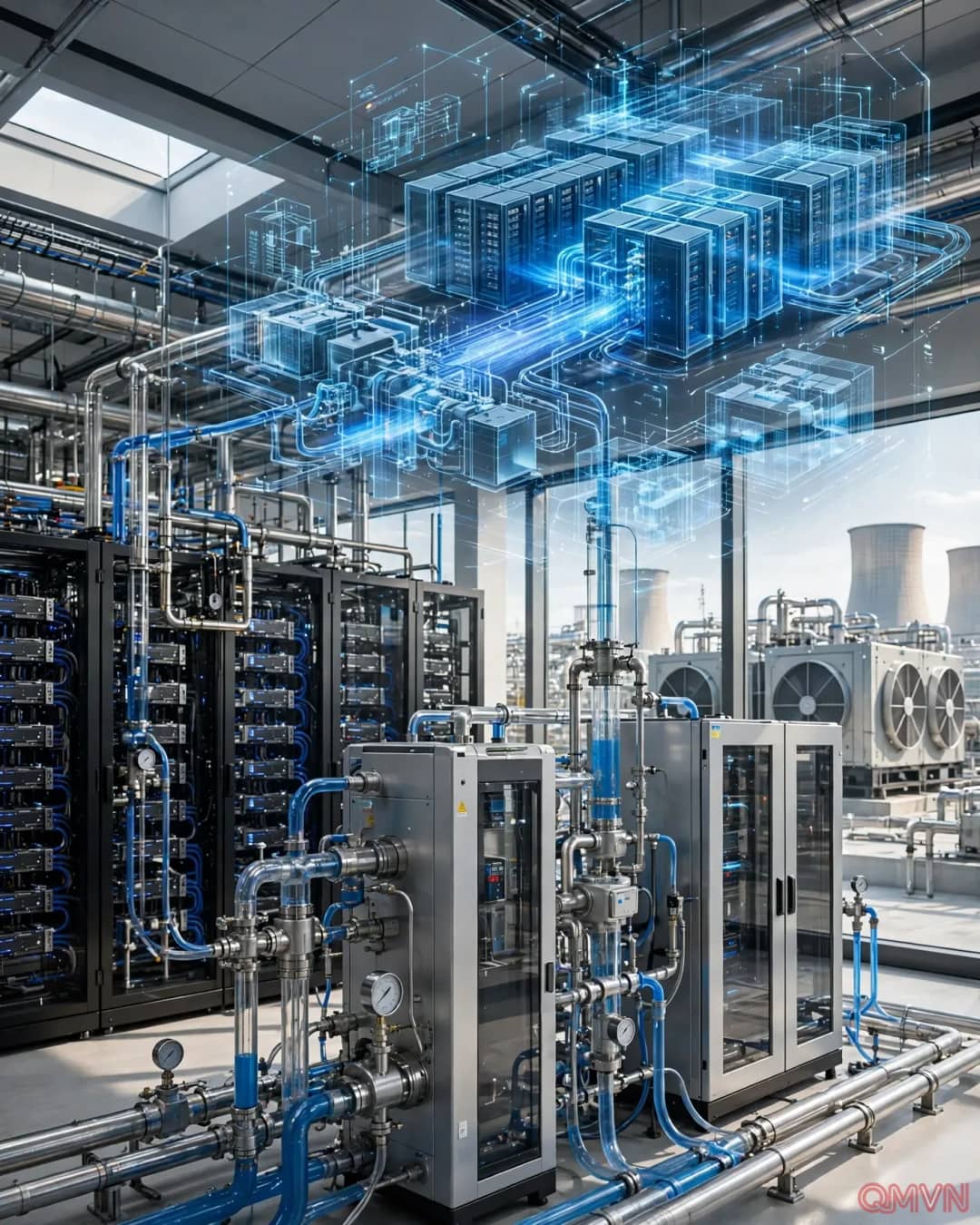
Transcending conventional PUE metrics: Modern AI thermal engineering demands dynamic adaptability to high-density server racks and local resource ceilings.