MAIN ARTICLE
A foreign trip under domestic pressure
Trump’s itinerary reaches beyond the ceremonial language of summits. Reuters reports that his Republican Party suffered substantial losses in November’s midterm elections, adding urgency to questions about the administration’s influence at home. Domestic setbacks can lead presidents to seek diplomatic successes, but they can also encourage confrontational gestures. Neither outcome is inevitable, and the election result alone cannot predict what Trump will demand across the table.
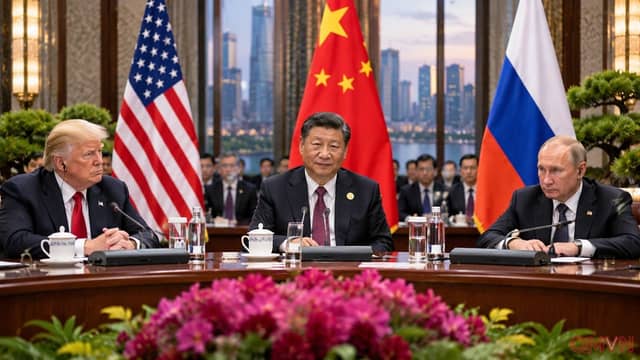
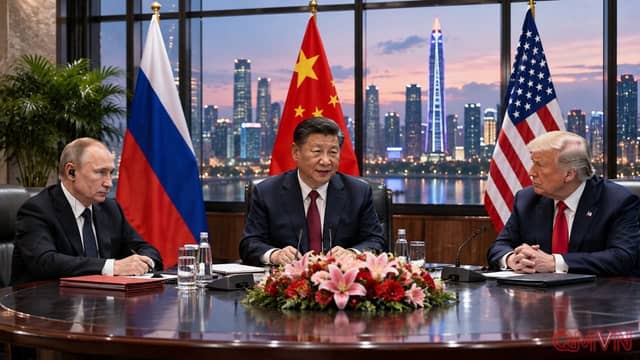
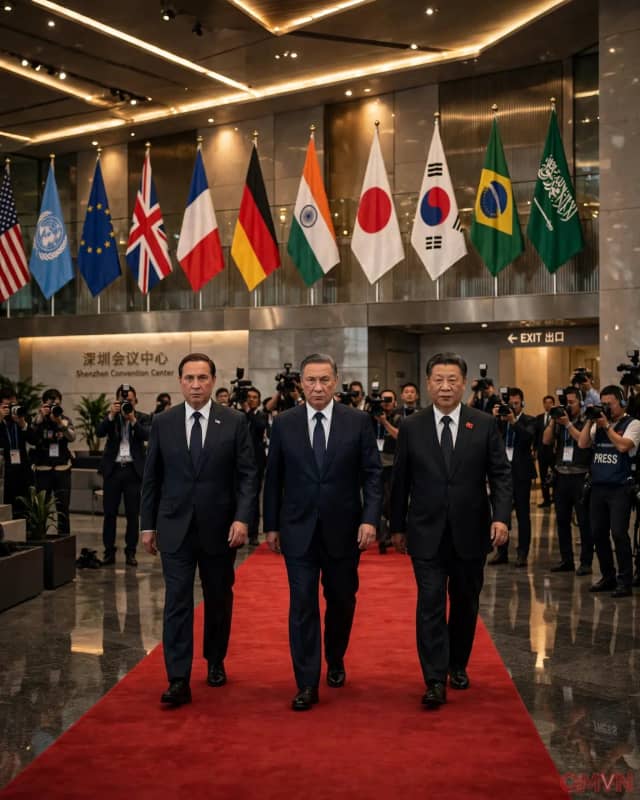
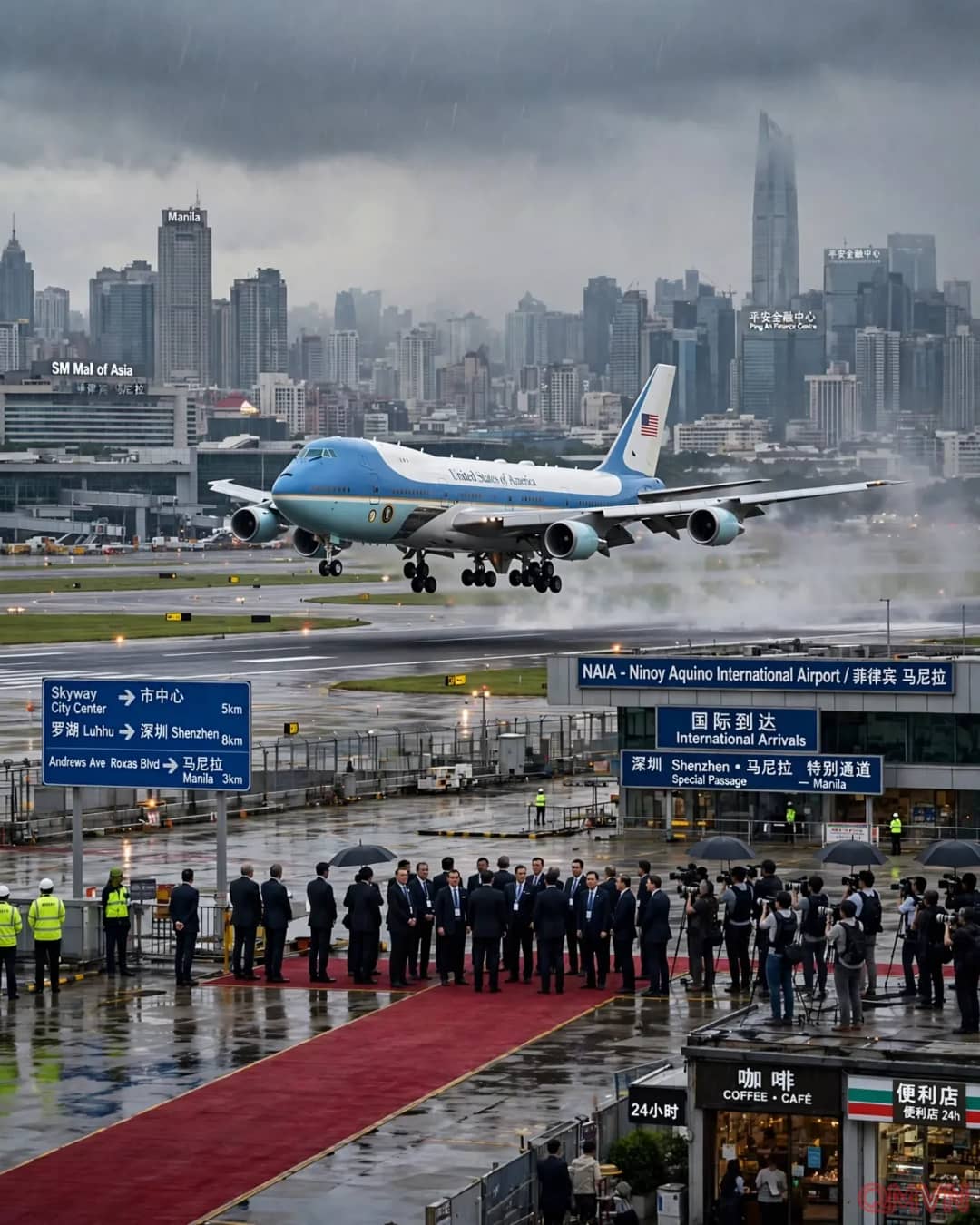
Manila is the first stop, offering discussions with Southeast Asian leaders and regional partners about trade, security and the place of ASEAN in great-power competition. Shenzhen will then concentrate attention on US-China negotiations and an unusual encounter involving the leaders of the United States, China and Russia. Meetings scheduled for November 17–19 are events on the calendar, not evidence that the participants have already reached common positions.
Ruby Osman, a China policy adviser at the Tony Blair Institute, has argued that weaker electoral incentives may make the president more open to disruptive measures. The same circumstances could equally sharpen a desire to leave a diplomatic legacy. These are competing analytical possibilities, rather than accounts of decisions taken. Markets and neighboring countries will judge the visit by the policies that follow its speeches.