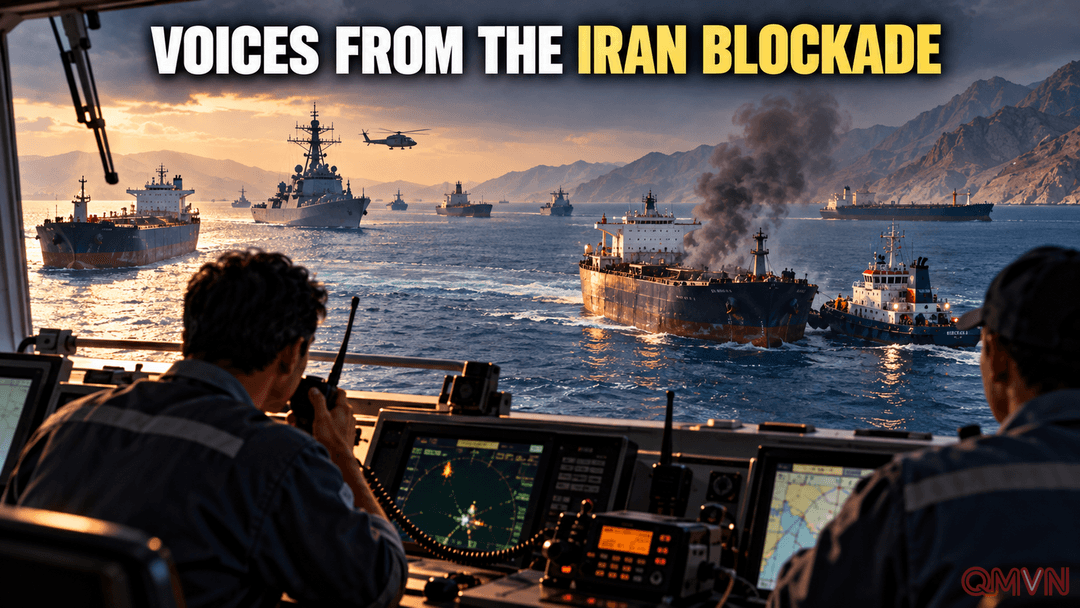
Radio orders turn commercial lanes into a confrontation zone
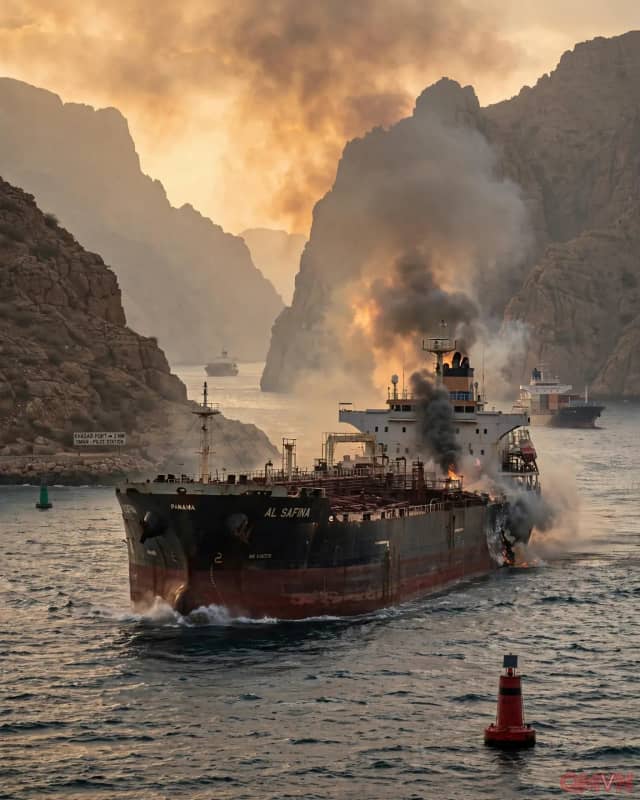
The Wall Street Journal investigation says formal warnings began circulating over marine radio on April 13, announcing a blockade of Iranian ports and coastal areas. From then on, merchant crews sometimes had only minutes to interpret instructions that could force a sudden course change. Some ships were ordered to turn back; others were warned that U.S. forces were prepared to fire if they failed to comply.
The operation expanded rapidly. Reuters reported on June 11 that CENTCOM had by then disabled eight vessels, redirected 134 ships that complied and allowed 42 humanitarian vessels to pass. By early October, the Journal, citing CENTCOM, said more than 270 vessels had been redirected and almost two dozen disabled or destroyed. The figures show that the blockade evolved from a warning mechanism into a sustained system of maritime control.
Dark shipping and the thin line between enforcement and danger
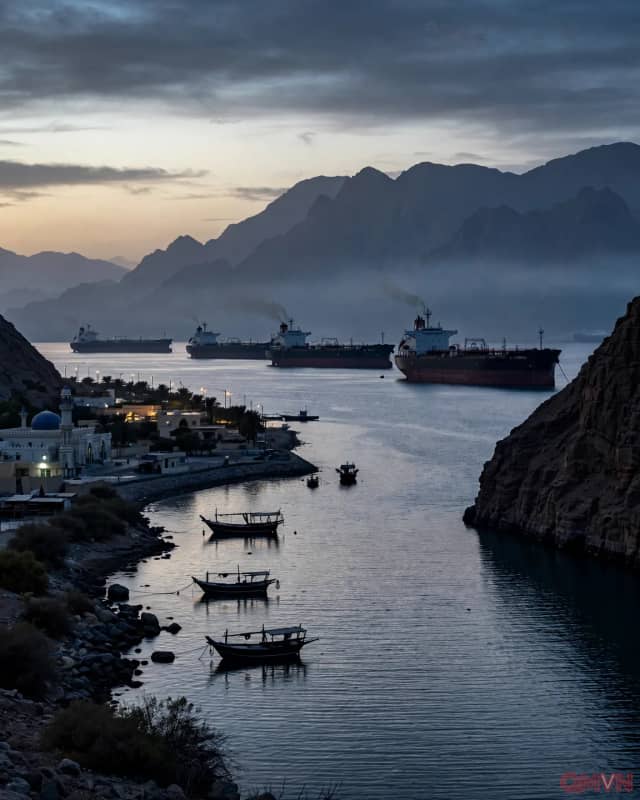
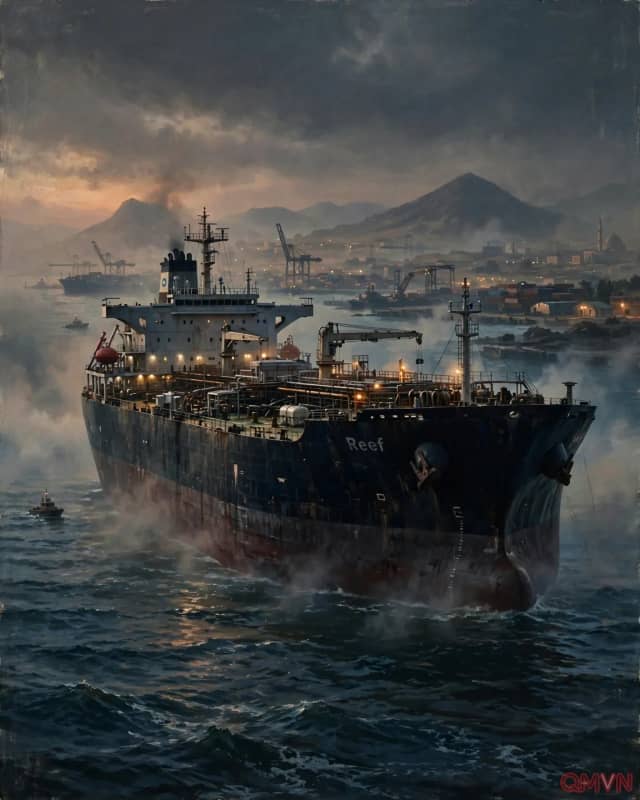
A central challenge is the so-called shadow fleet: older ships that may change names or flags, switch off or manipulate Automatic Identification System signals and obscure ownership or cargo histories. The Journal described the Iranian-flagged tanker Hasna as having sailed without publicly broadcasting its position before U.S.