MAIN CONTENT
An ambitious shortcut confronts an institutional pause
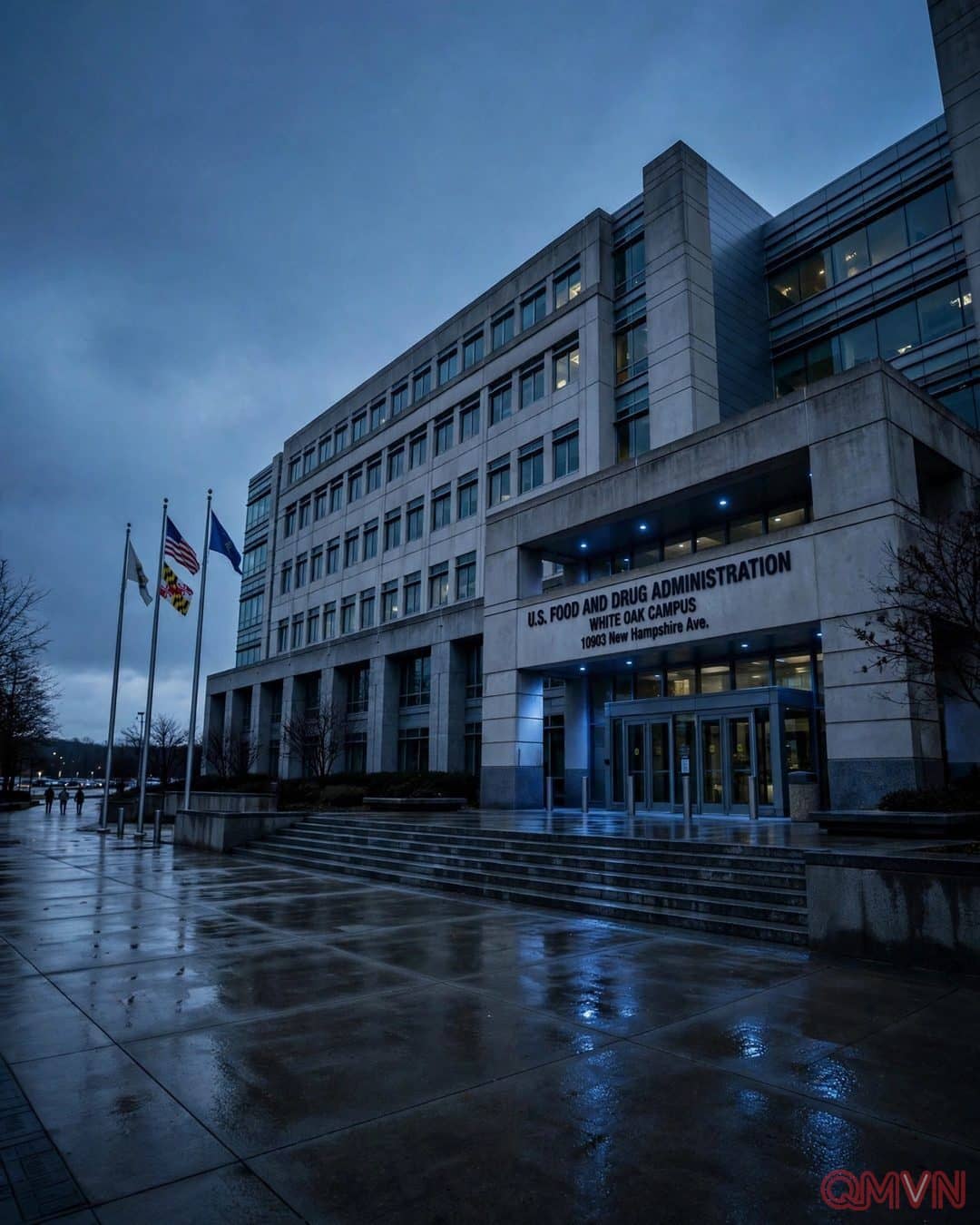
The program was unveiled in June 2025 with an unusually ambitious target: a final review in one to two months for selected drugs and biological products, rather than the approximately ten to twelve months associated with conventional review. The FDA said the mechanism would prioritize urgent health needs, therapeutic innovation, domestic manufacturing and affordability. Supporters saw a way to reduce avoidable delays for patients facing serious diseases. Unlike a blanket lowering of standards, the agency presented the scheme as a more coordinated process involving expert teams and earlier engagement with developers.
That promise now collides with a very different operational picture. Six people familiar with the matter and internal records told Reuters that the executive council overseeing expedited cases had gone dormant. No further vouchers were awarded after Makary's departure, although applications could still be submitted. HHS spokesperson Emily Hilliard said the pilot remained in operation and that officials were considering feedback from a June 2026 public hearing. These claims describe different things: a program may remain formally open while the machinery needed to move new cases forward is no longer functioning as intended.