A record designed to be noticed
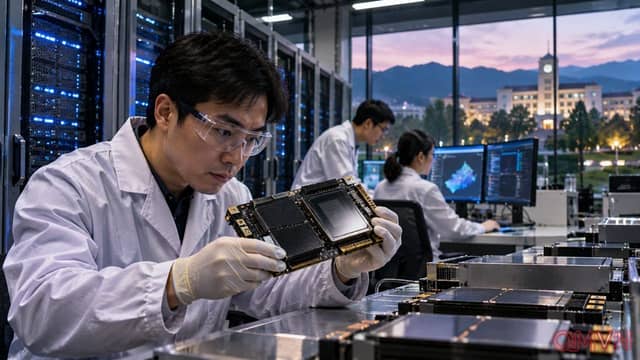
TianGong Ultra, developed at Beijing’s X-Humanoid Innovation Centre, ran 100 metres in 8.64 seconds, faster than Usain Bolt’s human record. The performance instantly gave China’s humanoid-robot programme a striking symbol. It also showcased advances in motors, balance and motion control.
But a record on a prepared track is a narrow test. The more important question is whether the same machine can move safely among people, objects and changing conditions.
Why sprinting is not the destination
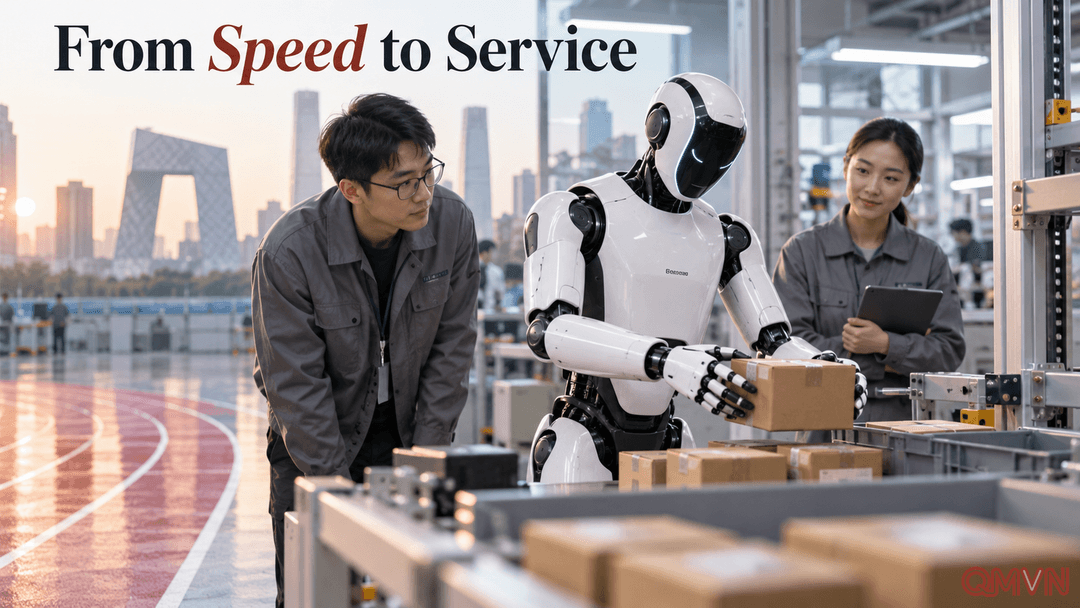
For Jack Guo and his team, the sprint is not the final product. Their stated ambition is to make humanoids reliable enough for commercial services, light industry and eventually difficult tasks such as emergency rescue.
That shift changes the definition of success. A robot at work must repeat a task for long hours, recover from small errors, respect safety rules and know when it needs human help.