Science’s Centre of Gravity Shifts East
When chemical engineer Ahmad Zuhairi Abdullah joined USM 22 years ago, Western institutions dominated almost everything, from research infrastructure and high-impact publications to the biggest breakthroughs. At the time, he knew China mainly through a handful of good universities and papers he had cited, while collaboration with Chinese scientists was virtually non-existent. Two decades later, says the professor at USM’s school of chemical engineering, the centre of gravity has moved east, with many Chinese scientists and students coming to Penang to study and do research.
Zuhairi observes that China is now very active in opening its doors to collaboration, a marked change from about a decade ago, when it was fairly inward-looking. He particularly admires China’s strength in materials science, reflected in its enormous volume of publications. Beijing, he says, is also working to bring Southeast Asian partners into its research ecosystem, with some provincial funding programmes requiring Chinese scientists to work with researchers from the region.
Turning Palm Oil Waste Into Valuable Chemicals
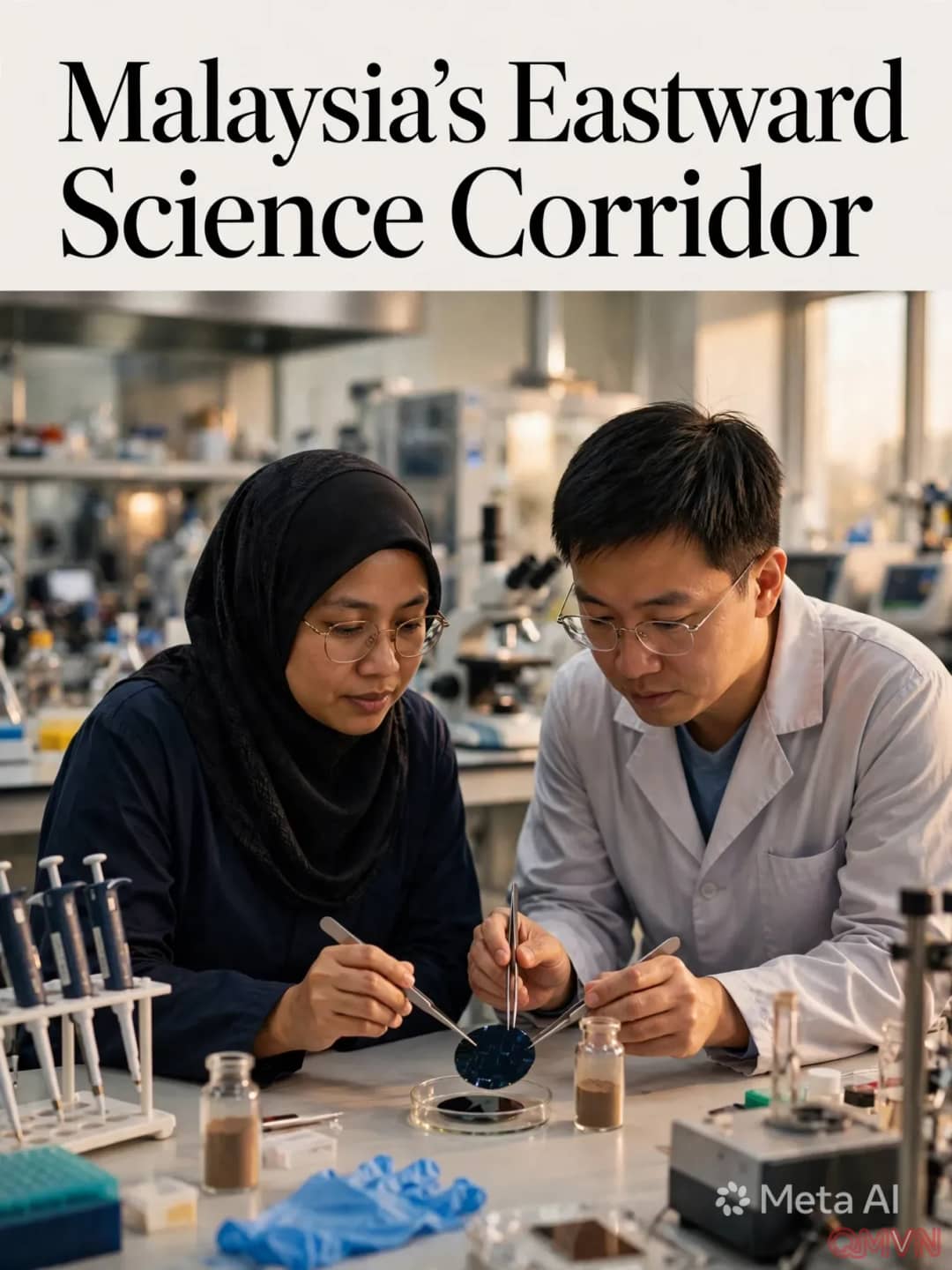
At the Joint Laboratory of Biomass Chemical Engineering, inaugurated in January, researchers from USM and Huaqiao University in Fujian, on China’s southeastern coast, are working together to turn organic waste and plant material into useful products, while developing sustainable energy materials and low-carbon technologies. The common ground lies in combining Malaysia’s abundant agricultural by-products with China’s advanced process engineering.