MAIN CONTENT
From diplomatic objections to financial restrictions
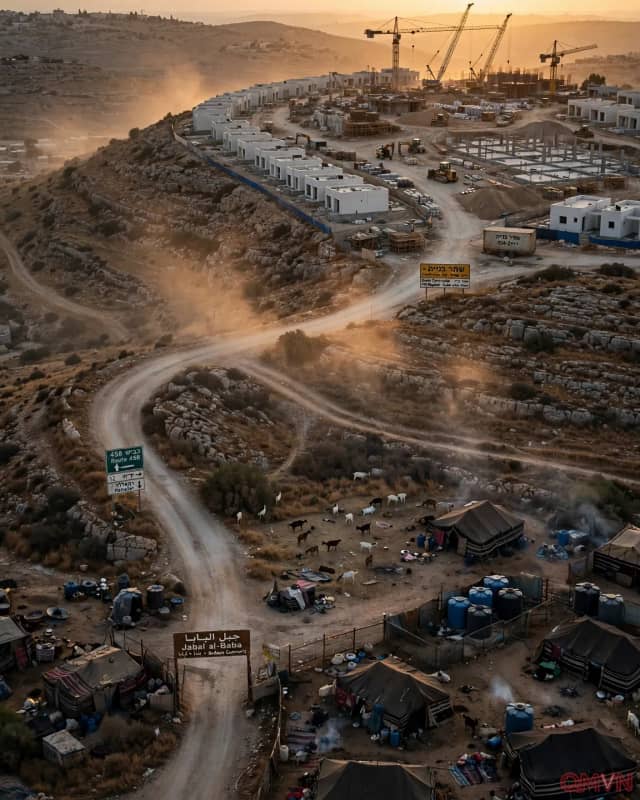
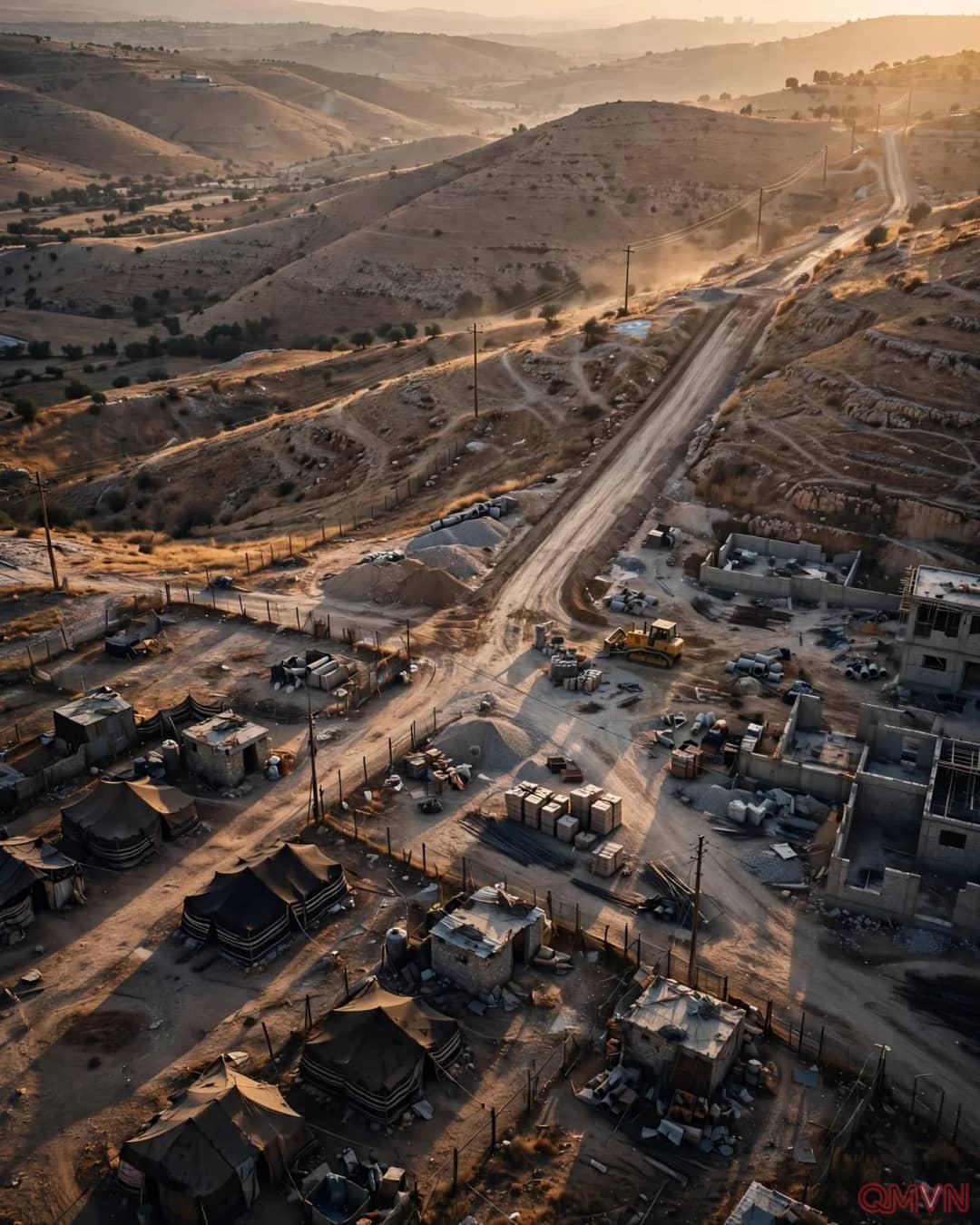
The latest Australian action shifts attention from general condemnation to identifiable people, organisations and economic relationships. The government says the designated targets helped plan, coordinate or establish settlements through fundraising, volunteer recruitment and material support for settlers involved in violence. Instead of treating development as an abstract map-making process, the sanctions identify the social and financial channels through which expansion becomes possible. Australian residents and companies must avoid prohibited transactions with those named; this gives the policy an immediate compliance dimension beyond its diplomatic symbolism.
Among the people identified in reporting are Daniella Weiss, associated with the Nachala settlement movement, and Eliav Libi, whose construction activities have drawn scrutiny over the displacement of Palestinian residents. Australia's foreign minister described the sanctions as part of a continuing sequence rather than a final policy. The distinction matters: sanctions are designed to raise costs and constrain access to international finance, but their reach depends on where a target's assets, partners and transactions actually lie. Their announcement alone cannot establish whether planned construction will stop.