MAIN ARTICLE
One seat, several definitions of Europe
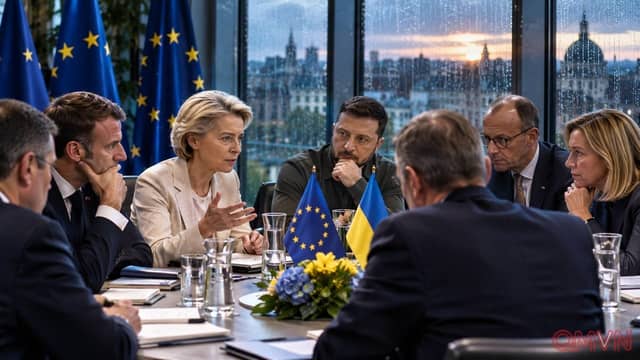
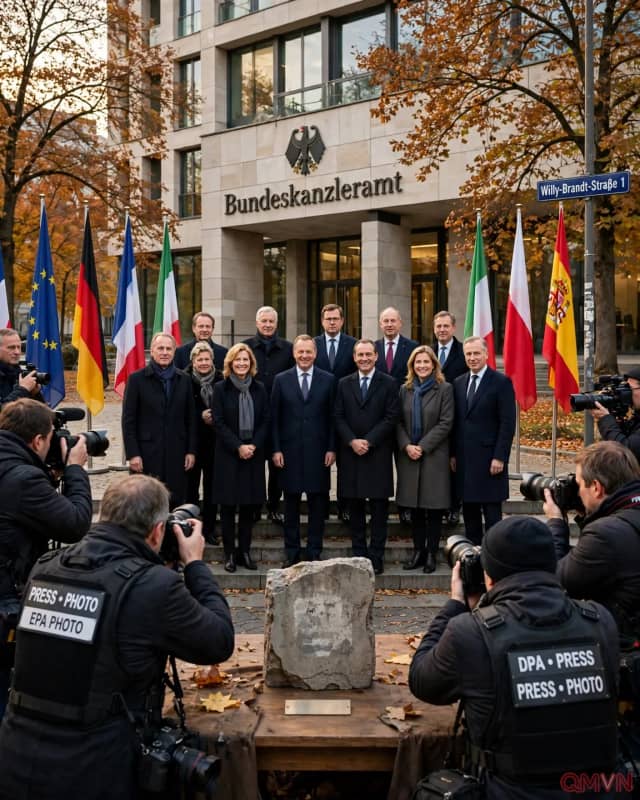
The European Political Community gathering on November 12 and the EU leaders’ informal meeting on November 13 came as the United States pursued fresh diplomatic contacts. According to AP, governments fear arrangements covering borders, defense and force deployments could shape their own security for decades. Yet “Europe” is not one institution. The EU has 27 members, while NATO and the wider European Political Community cover different constituencies. A representative with authority in Brussels might not automatically speak for London or Oslo. This institutional ambiguity complicates a seemingly simple request to name a negotiator.
Italian Prime Minister Giorgia Meloni favors a clearly authorized common voice, partly to avoid uncoordinated national initiatives. British Prime Minister Andy Burnham, by contrast, has stressed that European perspectives are already present in related discussions. European Council President António Costa says the effort should bring together European states, EU institutions and NATO. These are not simply procedural differences. The identity and mandate of the envoy determine whether promises made in a negotiating room can command the consent of those asked to finance and enforce them.