MAIN CONTENT
Warnings preceded the strike on Port Shuaiba
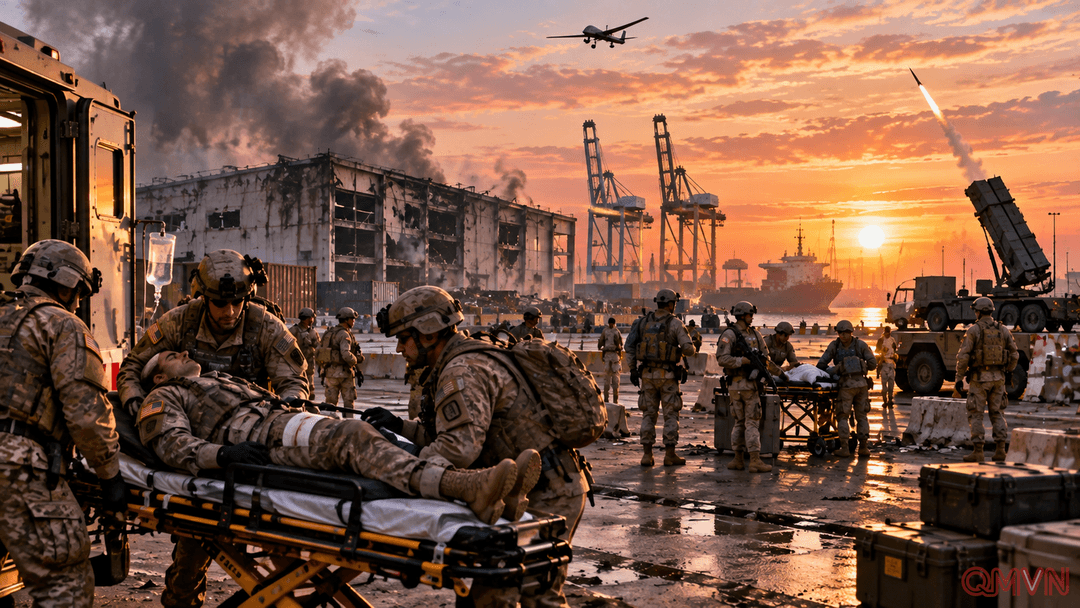
According to the Associated Press, protection and intelligence officers repeatedly raised concerns that Port Shuaiba lacked adequate defenses against drones even as the site was selected as a temporary headquarters for part of the logistics force. Several people familiar with briefings said the port’s proximity to Iran and its role in military logistics made it a plausible secondary target. Roughly 75 logistics soldiers, along with personnel from other units, remained because commanders saw communications and mission advantages in keeping a core team in Kuwait.
Those accounts are not the same as an official finding of fault. Relevant commanders have either declined public comment or not responded, and the Army says it will not discuss details until families of the fallen have been briefed on the completed investigation. A separate Army inspector-general review of one complaint also found insufficient evidence, on the limited material submitted, to conclude that one commander had ignored reliable intelligence.
The gap between missile defense and drone defense
The three major U.S. military bases in Kuwait had strengthened air defenses before the war, but AP reported that Port Shuaiba largely depended on a Patriot system in the broader Camp Arifjan area.