MAIN CONTENT
An invitation announced in Moscow, not yet a settled format
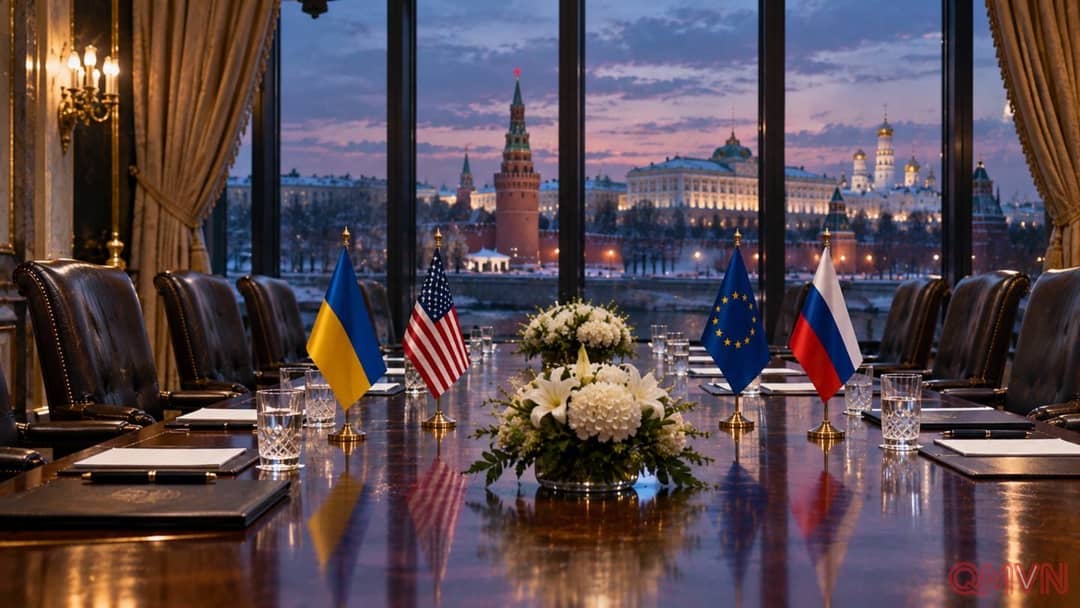
Speaking after the Kremlin meeting, Witkoff said European representatives would participate in the next discussions and called their inclusion important because European governments are essential partners. Kushner characterized the talks with Putin as detailed and productive, potentially laying groundwork for broader negotiations. These assessments, however, describe a diplomatic possibility rather than an agreed peace framework, confirmed participant list or binding timetable.
Kremlin foreign policy aide Yuri Ushakov did not explicitly confirm that Russia would sit with a European delegation. Instead he questioned whether European governments truly wanted peace, reflecting Moscow’s long-standing portrayal of supporters of Ukraine as parties to the conflict. The contrast between Washington’s confidence and Russia’s guarded response reveals a fundamental obstacle: even agreeing on who has a legitimate place at the table may require another round of bargaining.
The Abu Dhabi opening and its unmistakable limits
The U.S. envoys came to Moscow after meetings in Abu Dhabi, where Russian and Ukrainian negotiators held their first direct U.S.-mediated discussions in nine months. The parties indicated movement toward another substantial prisoner exchange, an important humanitarian step, but reported no decisive settlement of territorial claims, ceasefire terms or postwar protections. An exchange can alleviate suffering without ending the conditions that produce it.