Border Security Reinforcement to Deter Cross-Frontier Contraband
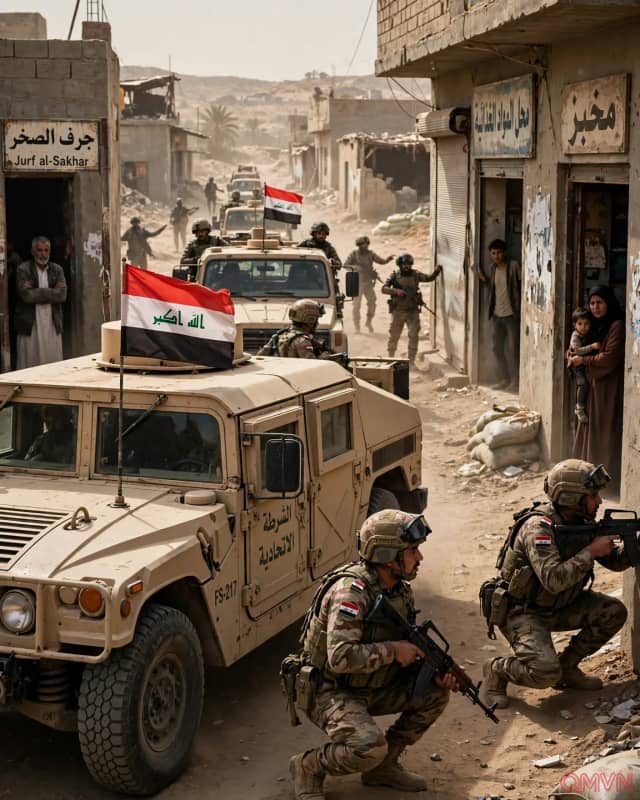
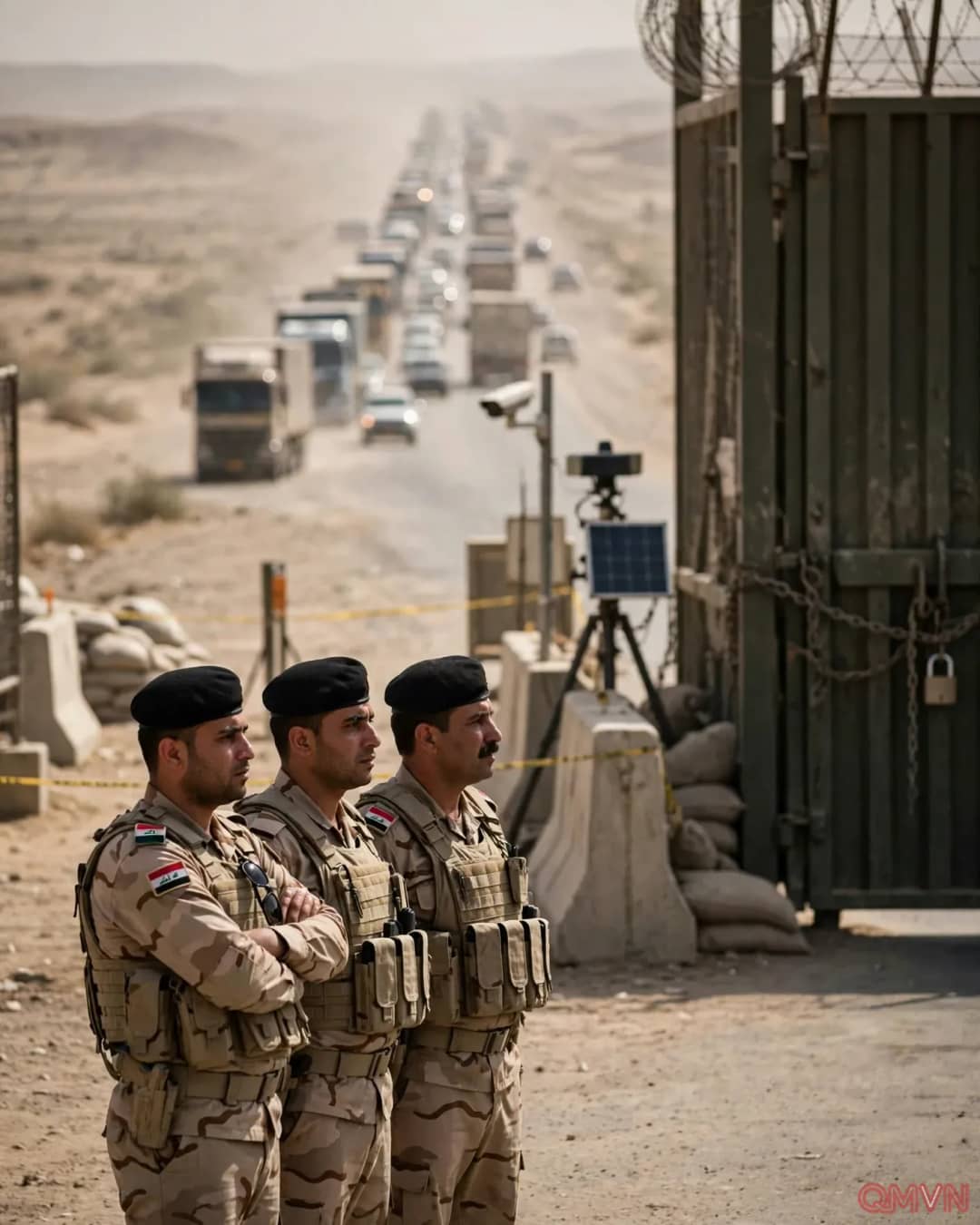
According to official statements from Iraqi border authorities, the operational suspension at the Sheeb border crossing—known as Chazabeh on the Iranian side—took effect immediately and applies comprehensively to travelers, private automobiles, and commercial freight transport. Basra officials emphasized that the primary imperative behind this closure is to rigorously overhaul inspection workflows and install advanced technological detection infrastructure capable of intercepting prohibited and hazardous contraband.
The current security measures at Sheeb are weak and inadequate
The halting of traffic at one of the most vital overland arteries linking southern Iraq with southwestern Iran has drawn focused scrutiny from international observers. Defense analysts and trade monitors note that unless infrastructural screening deficiencies are thoroughly rectified, illicit transport networks frequently exploit heavy civilian traffic volumes to conduct covert transfers detrimental to regional stability.
Diplomatic Consultations and Alternative Transportation Routing
Across the border, the Iranian Labour News Agency reported statements from Valiollah Hayati, a senior security official in Khuzestan province, confirming that the operational closure was an executive decision enacted entirely by the central Iraqi government. To mitigate severe commercial disruption and assist strandings, diplomatic and administrative channels between Iran’s Interior Ministry and Iraqi provincial counterparts remain actively engaged to accelerate technical upgrades.
Consultations to resume operations at the border crossing were ongoing between Iran's Interior Ministry and Iraqi provincial authorities
While Sheeb remains non-operational pending the deployment of cargo scanning hardware, Iranian transit authorities have advised commercial fleets and commuters to divert toward the Shalamcheh crossing.
Nevertheless, logistics operators have voiced apprehensions regarding bottlenecks, as Shalamcheh must absorb double its standard logistical load over the coming period.
Safeguarding National Sovereignty Alongside Bilateral Commerce
The extensive 1,400-kilometer border between Iraq and Iran serves as a crucial conduit for bilateral merchandise flow and millions of annual religious pilgrims. However, such massive transit volume presents immense operational hurdles for customs and border security corps. The shutdown at Sheeb reflects a proactive push toward modernizing frontier administration and ensuring international trade operates strictly within secure parameters.
Deploying industrial-grade non-intrusive cargo scanners to uncover concealed compartments within freight trailers.
Strengthening biometric identity verification for commercial drivers and cross-border travelers via centralized databases.
Enhancing multi-agency coordination among border guards, customs enforcement, and intelligence detachments.
Balancing uncompromising border integrity with fluid commercial interconnectivity represents a strategic imperative that both Baghdad and Tehran must jointly manage with precision.