An unusual war film
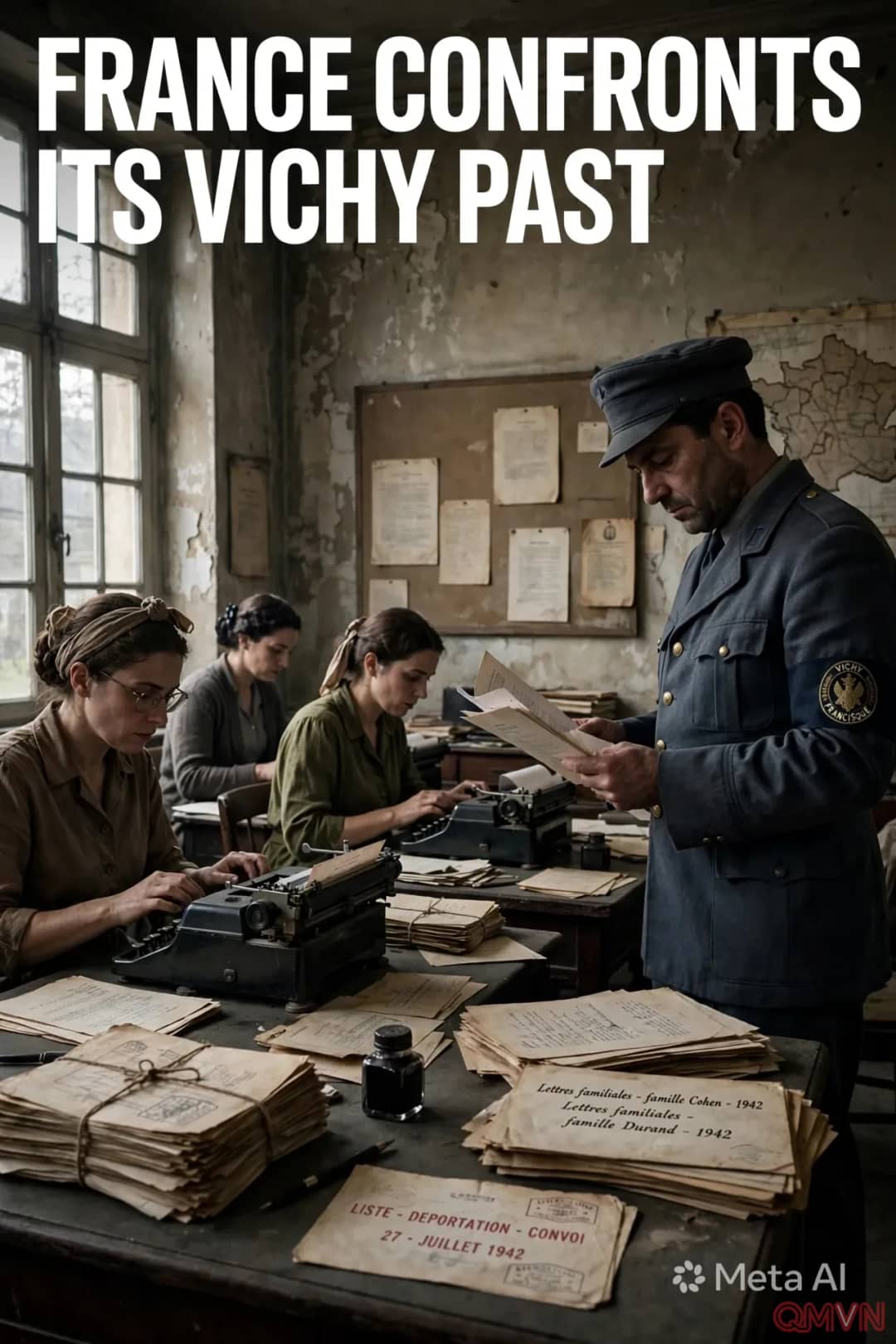
Notre Salut tells the story of an obscure state employee who, almost without noticing, becomes part of a system of persecution, accepting the bureaucracy and logistics that delivered people to their deaths. Its style is deliberately unexpected, with contemporary lighting, improvised scenes and 1980s Europop music, far from the classic costume dramas about the second world war.
The film earned Emmanuel Marre the award for best screenplay at the Cannes film festival this year, and it enjoyed a striking opening in French cinemas this week, showing the potential to become a box office hit, particularly among younger viewers.
There are great figures who make history, but history is also made by people in secondary roles, ordinary people acting on the ground, and that is what is interesting about this film.
Opening the family drawers
Marre began working on the story more than a decade ago, after discovering letters written by his great-grandfather, Henri Marre, kept in a family drawer. Henri served as an administrator under the Vichy regime of Marshal Philippe Pétain, which collaborated with Nazi Germany in deporting 76,000 Jews to concentration camps.