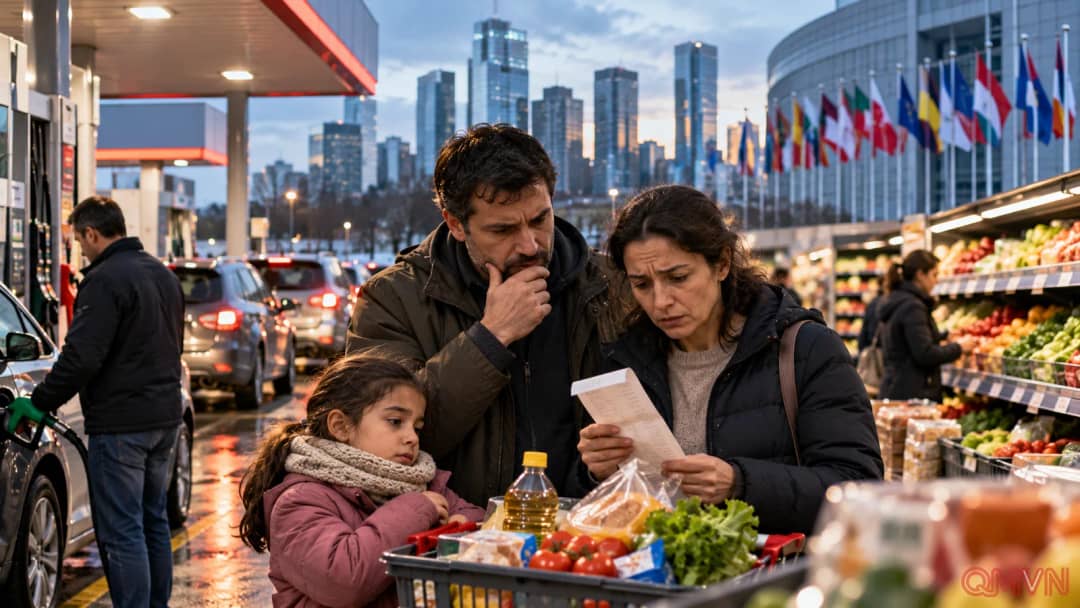
As inflation falls, memories of high prices remain ##
One of the IMF’s most striking findings is that inflation expectations do not return to normal immediately after a price shock passes. Its data show that short- and medium-term inflation anticipations rise sharply during cost-of-living crises, and remain significantly higher than before the crisis three years later. Even five-year inflationary expectations initially rise slightly, and continue to stay above normal for many years afterwards. This is important because expectations can influence wage demands, firms’ valuation behavior, and central bank interest rate decisions.
In other words, a food or energy shock can end statistically before it does in economic psychology. When people have experienced several sharp increases in the prices of electricity, gasoline, milk, or bread, they tend to assume that subsequent surges will repeat themselves. Businesses are also more likely to defend themselves by raising prices sooner or keeping higher profit margins. If confidence in price control weakens, central banks may be forced to keep interest rates high for longer, increasing the cost of borrowing, investing, and producing.