From New York to the end of reflation
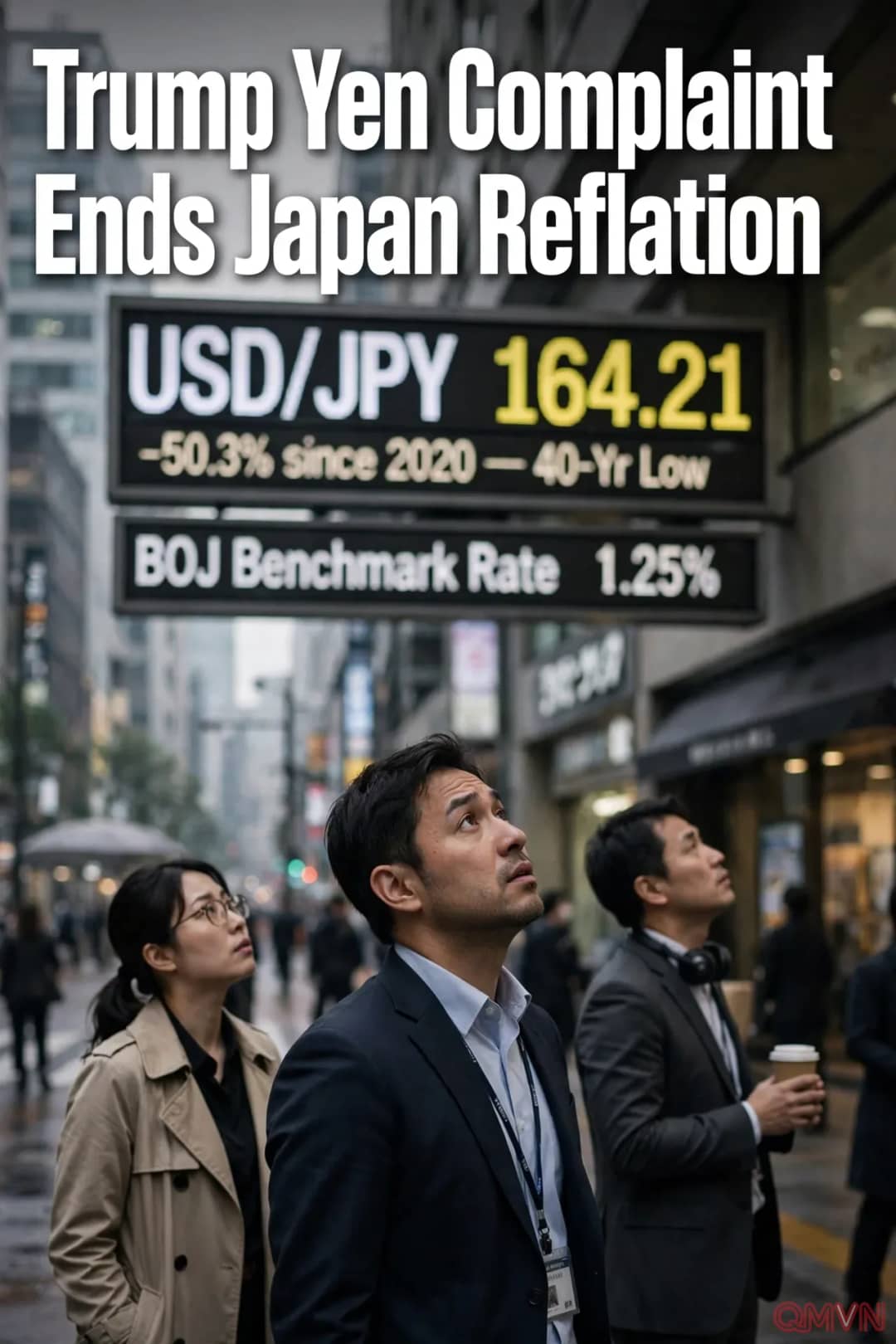
In an October 1 interview with Nippon TV, Takaichi acknowledged that Trump had complained American exporters were suffering from the cheap yen, and conceded the currency’s undervaluation was a problem. According to the Nikkei, she privately vented to aides after the meeting about why Japan had to listen to US concerns.
We are promoting domestic investment to raise Japan’s potential growth rate, increase quality employment and incomes, improve consumer sentiment, boost corporate earnings and ultimately lead to a natural tax-revenue increase.
Although her policy programmes remain expansive, the underlying message is unmistakable: the era of “Abenomics,” which pumped money into the economy through low rates, heavy public spending and central bank money printing, is over.
A weak yen and pressure from Washington
The immediate pressure stems from the widening global interest rate gap, as Japan kept borrowing costs low while major central banks raised rates.