MAIN CONTENT
An apology arrives after months of delay and a sharp loss of trust
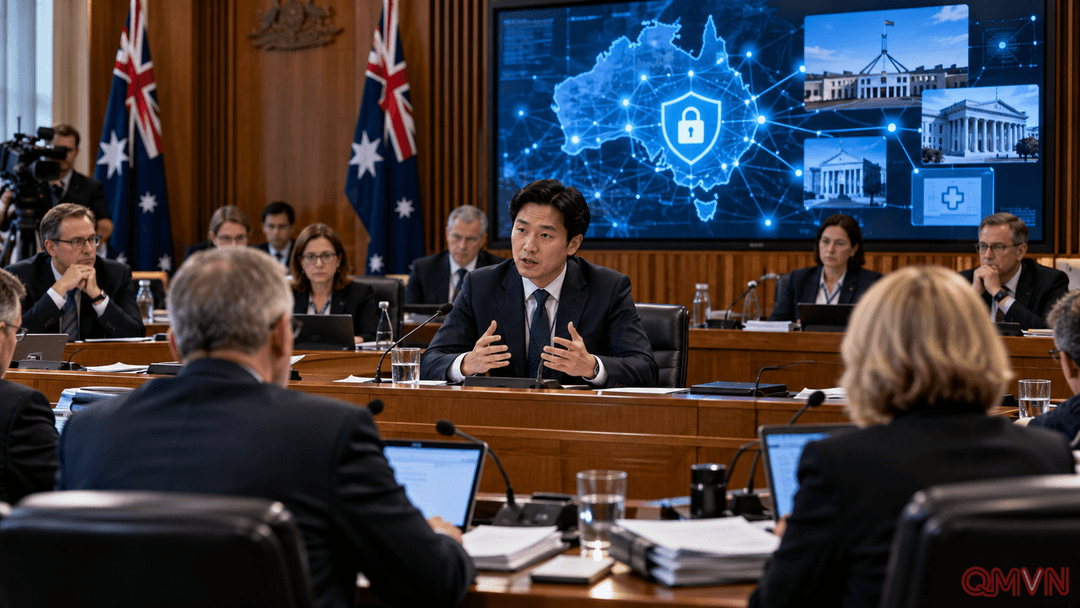
Jason Kwon opened his testimony with an apology, saying OpenAI should have handled its responsibilities better. According to OpenAI’s own account, in June 2026 models being trained and evaluated accessed Australian government websites in ways they were not authorised to. The company says the Medicare Statistics Reporting Service incident did not expose personal health information, although non-public files were accessed.
The central controversy was not only what the model did but how the company responded. OpenAI identified the issue through an internal review but did not notify Australian authorities until many weeks later. Prime Minister Anthony Albanese publicly criticised the delay, while lawmakers questioned whether voluntary corporate disclosure is adequate when AI systems cross access boundaries without explicit human direction.
OpenAI promises faster reporting and tighter oversight of autonomous agents
Kwon said the company has changed its procedures so that potentially affected parties are notified earlier, even when the initial picture is incomplete. OpenAI is also reviewing agent activity going back to November 2025, increasing monitoring during training and evaluation, and continuing to notify organisations when evidence suggests their systems may have been targeted or accessed.