MAIN CONTENT
A deadly blast and an active investigation
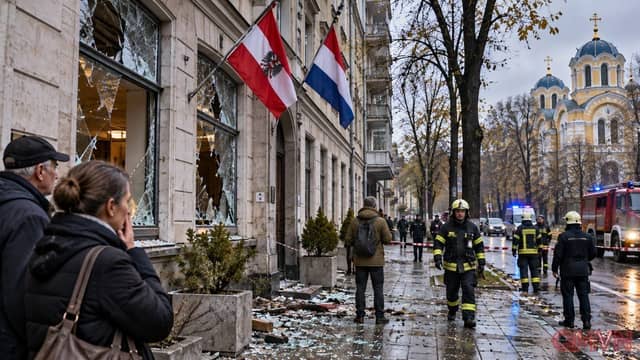
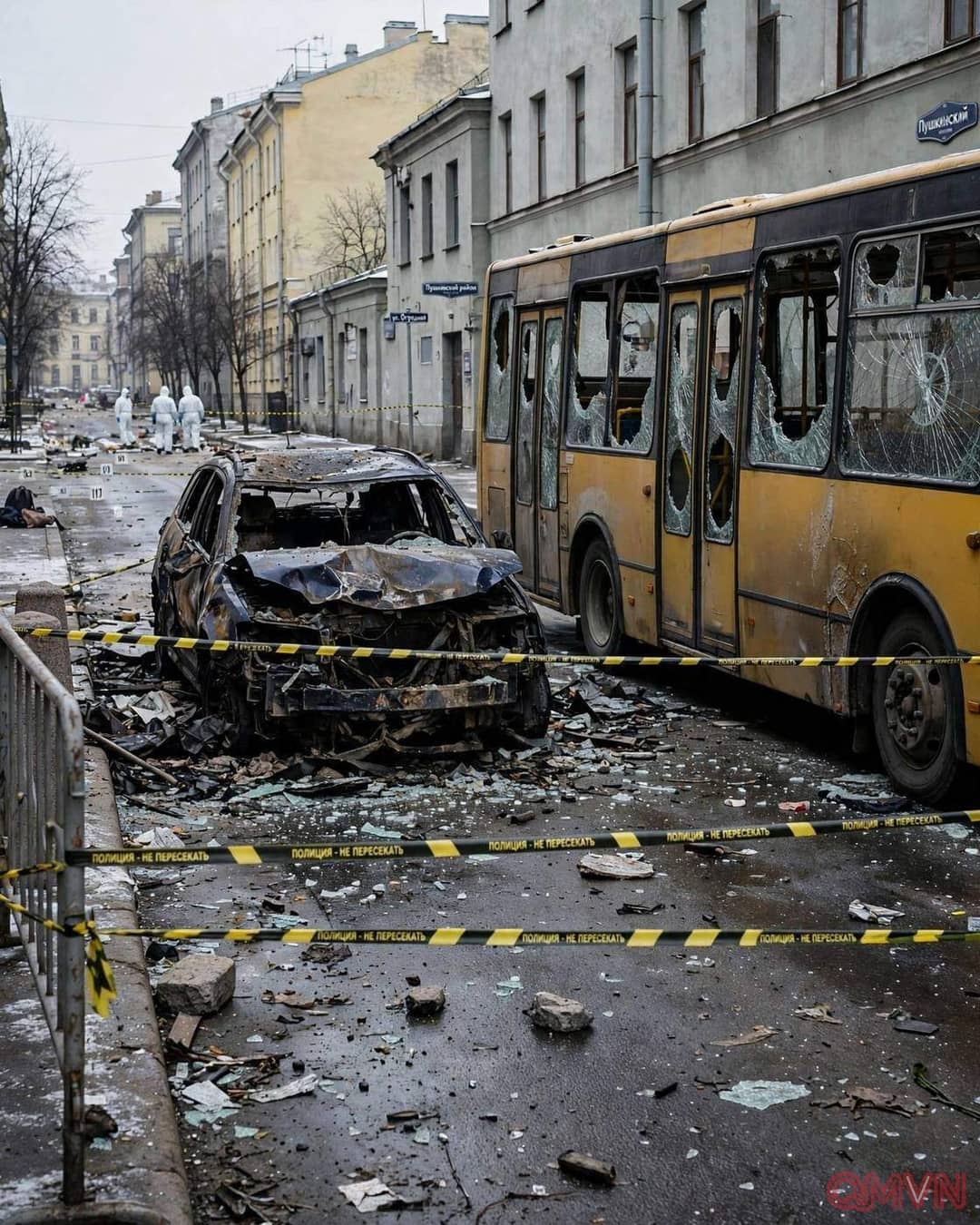
The explosion on Thursday, November 12, turned a road in St Petersburg’s Pushkinsky District into a forensic scene. Images showed investigators examining a dark blue SUV whose structure had been torn open by the blast. Pieces of the vehicle lay across the road; a nearby passenger bus appeared damaged, although the available reporting did not establish whether anyone on the bus was hurt. Police restricted access while specialists documented what remained.
Russia’s Investigative Committee said it had opened a criminal case over the killing of an armed-forces member. That official confirmation establishes the death and the investigation, but not the victim’s rank, the exact explosive device or the identity of those involved. These gaps are important: an investigation is not a finding of guilt, and a suggestive scene cannot answer who ordered an attack.
Unverified allegations and the question of responsibility
Fontanka, a St Petersburg news outlet known for its law-enforcement reporting, described the deceased as a colonel. It also cited an anonymous source claiming that a 31-year-old suspect had monitored the target for at least a month, fitted a device beneath the car and subsequently fled Russia.