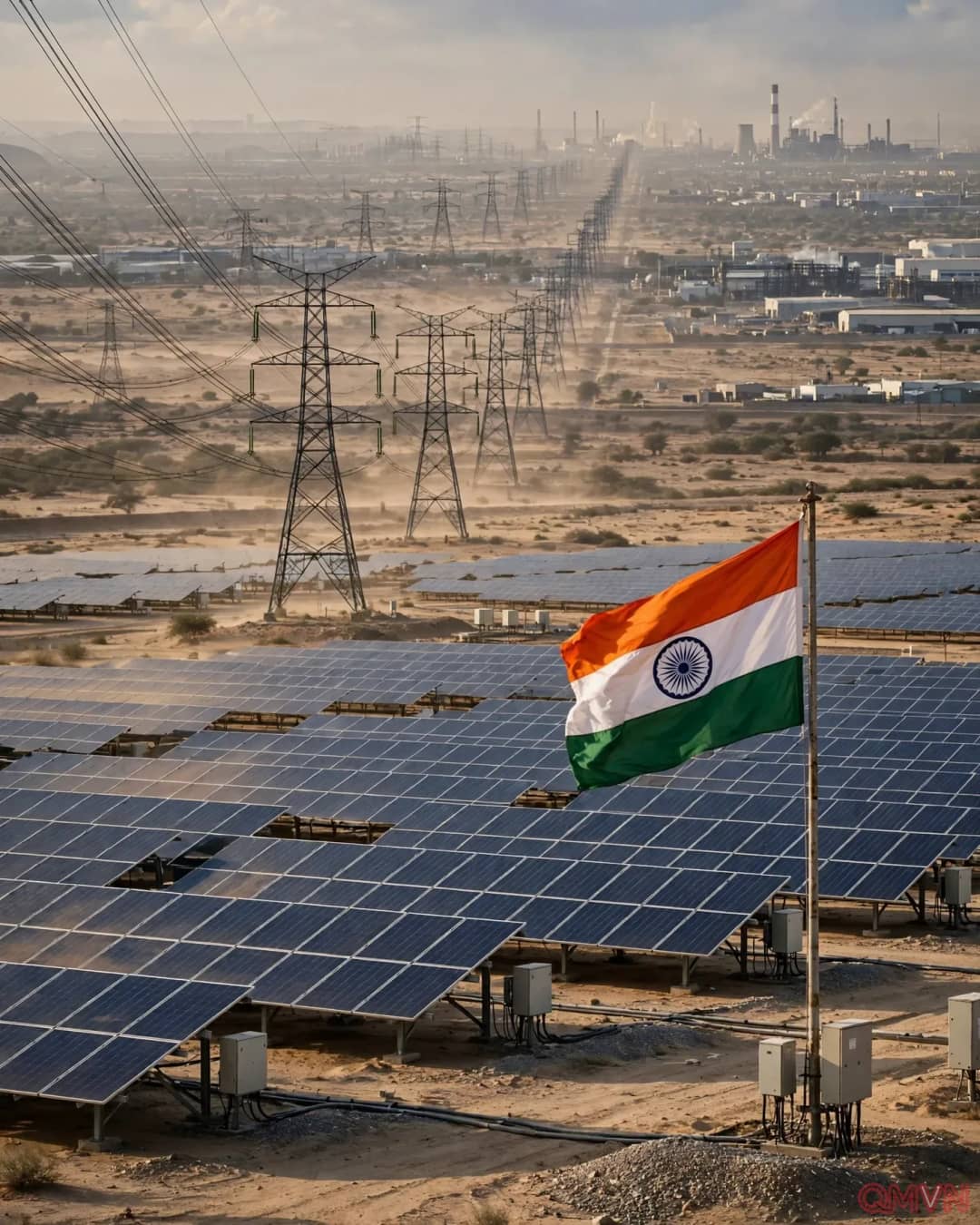
A super-highway for green power
The approval by India’s National Committee on Transmission marks a leap in the scale of the country’s grid ambitions. The 1,150-kV system would be the highest-voltage network in India, allowing much larger volumes of electricity to be dispatched nationwide than the 765-kV lines that currently form the backbone of the national grid.
India already has more than 300 gigawatts of non-fossil generation capacity and is adding solar, wind and battery storage at record speed. But generation is only half the equation: without lines strong enough to carry power from where it is produced to where it is consumed, new capacity risks sitting idle.
Why go to 1,150 kV
Building ever more 765-kV lines would require additional transmission corridors and more land, a scarce and often contested resource in a densely populated country. A higher-voltage system offers a way around that constraint.
Its main advantages include:
- Carrying substantially more power per line than existing 765-kV infrastructure.
- Moving the same amount of electricity along fewer corridors and across less land.
- Lower transmission losses over long distances.