Armenia and Azerbaijan discuss stepping up the search for people missing from decades of conflict, a small step towards reconciliation
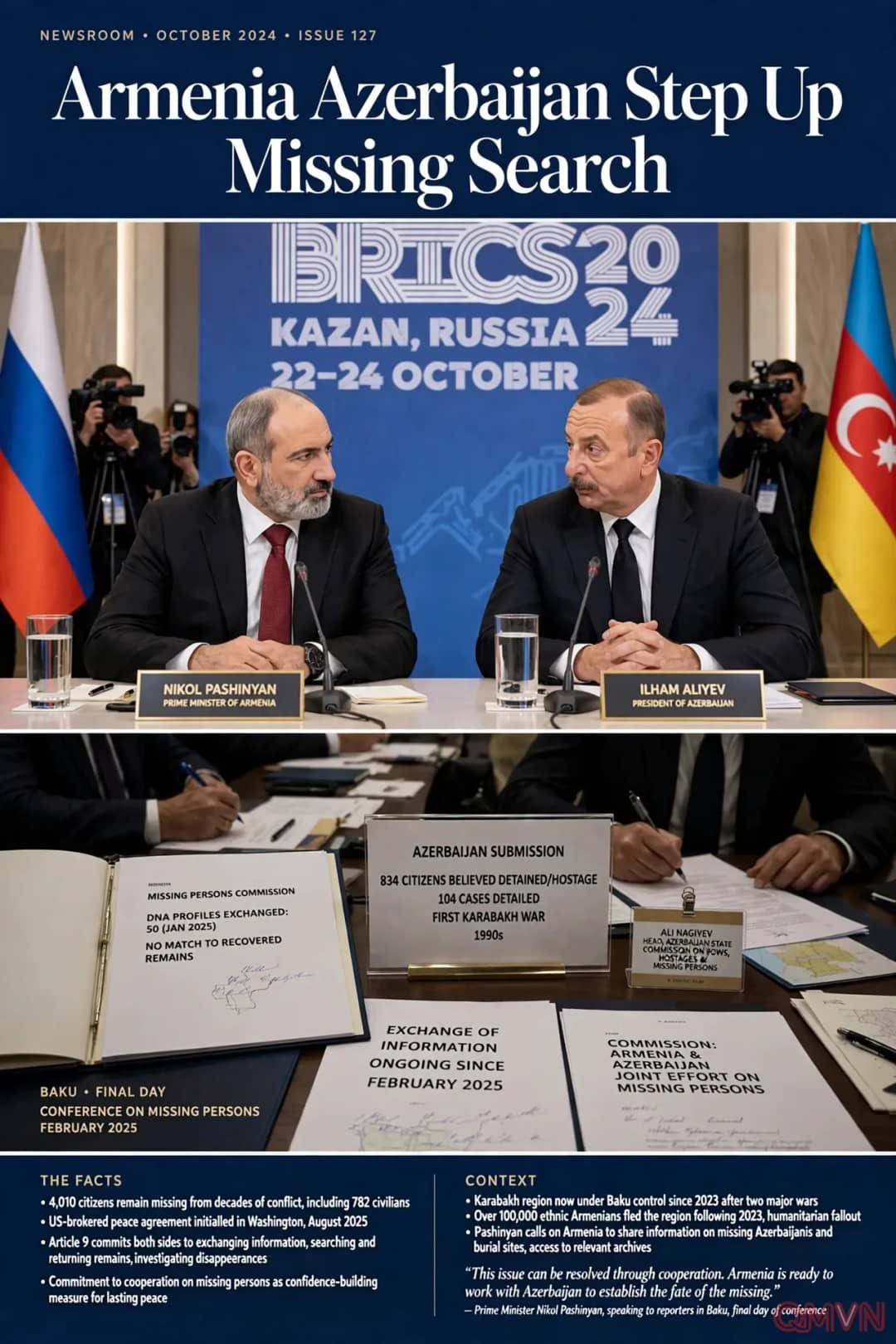
Armenian Prime Minister Nikol Pashinyan said he had discussed with Azerbaijani President Ilham Aliyev intensifying cooperation between the two countries’ commissions on missing persons, to establish the fate of people who disappeared during decades of conflict. His remarks came as a conference in the Azerbaijani capital, Baku, ended on October 8. According to Azerbaijan, the two commissions have been in direct contact since February 2025 and are exchanging information; Baku has also given Yerevan a list of 834 citizens it believes were taken prisoner or hostage during the first Karabakh war. Azerbaijan says 4,010 of its citizens remain missing, including 782 civilians. The issue is covered by a US-brokered peace agreement initialled in Washington in August 2025 but not yet formally signed. For thousands of families, it offers hope of healing wounds that have never closed.
Edite QUANG MINH·2 min read · 4 min listen·8 October 2026, 12:26 EDT·
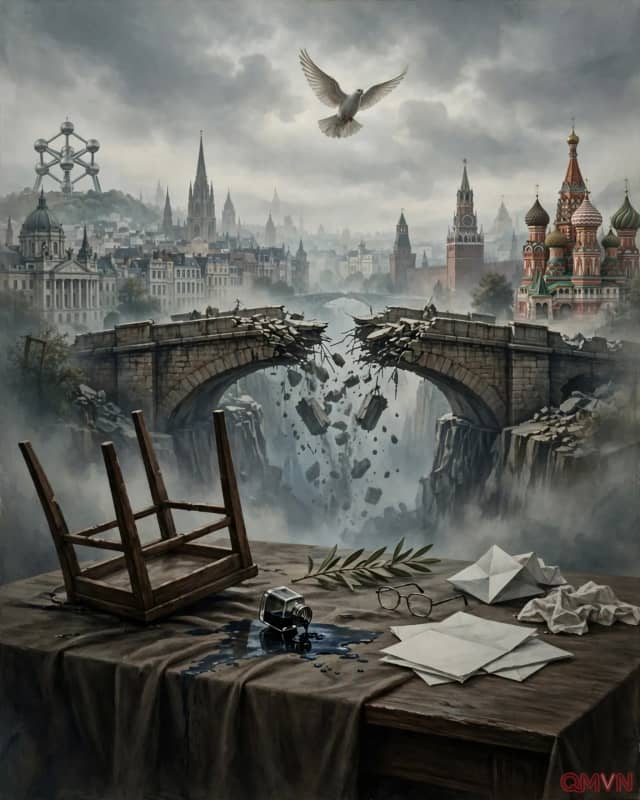
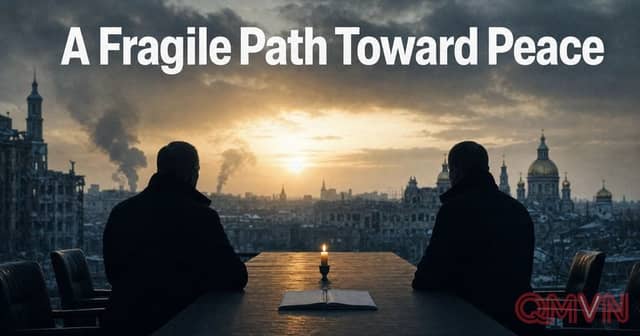
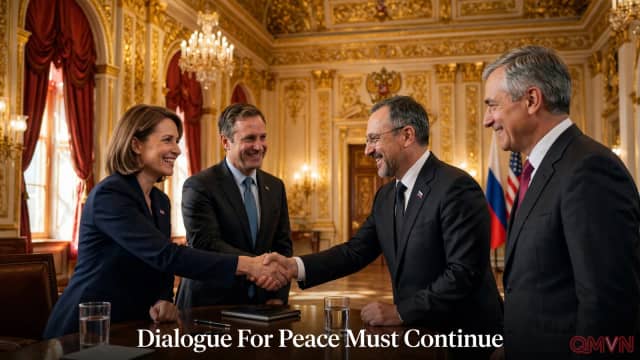
AI-generated illustration
A pledge of cooperation from two leaders
Pashinyan said the two leaders had discussed intensifying cooperation between their commissions on missing persons, without specifying when the discussion took place. He said Armenia was ready to work with Azerbaijan to establish the fate of those missing.
This issue can be resolved through cooperation.
In a message to the conference, President Aliyev said resolving the fate of missing persons was essential to building trust and achieving lasting peace.
Advertisement
300 × 250
This rare consensus shows that humanitarian issues can become a bridge between two former adversaries.
The numbers behind the pain
Ali Nagiyev, head of Azerbaijan’s State Commission on Prisoners of War, Hostages and Missing Persons, gave details of the information exchange:
The two commissions have been in direct contact since February 2025
In January, Armenia provided DNA profiles of 50 missing ethnic Armenians, but none matched remains recovered by Azerbaijan
Azerbaijan gave Armenia a list of 834 citizens it believes were taken prisoner or hostage in the 1990s, with detailed information on 104 of them
Azerbaijan says 4,010 of its citizens remain missing, including 782 civilians
Behind every figure is a family that has waited for news for years, sometimes decades, without knowing whether a loved one is alive or dead, and without a grave at which to mourn.
Article 9 of the peace agreement
The fate of missing persons is among the humanitarian issues covered by the US-brokered peace agreement initialled by the two countries in Washington in August 2025. Article 9 commits both sides to exchanging available information, searching for and returning remains and investigating disappearances as part of efforts to build confidence and reconciliation.
At the conference, Azerbaijan called on Armenia to provide information about missing Azerbaijanis and possible burial sites, as well as access to relevant archives. However, the agreement has yet to be formally signed, leaving its commitments heavily dependent on political goodwill.
Peace begins with answering families’ questions
Experience from conflicts around the world, from the Balkans to Latin America, shows that searching for the missing is often one of the first and most enduring steps of reconciliation. It requires forensic science, archives and, above all, a willingness by both sides to share the truth.
For Armenia and Azerbaijan, direct contact between the two commissions is already a significant step after years of hostility. But as long as thousands of families still have no answers, peace remains unfinished.
EVENT BACKGROUND
The story begins in the late 1980s, when conflict broke out over Karabakh, a region internationally recognised as part of Azerbaijan but then mostly populated by ethnic Armenians. The first Karabakh war in the early 1990s killed tens of thousands and displaced hundreds of thousands on both sides, leaving Armenian forces in control of Karabakh and surrounding areas. In 2020, a 44-day war allowed Azerbaijan to recapture most of the territory. In September 2023, Baku regained full control of Karabakh after a lightning offensive, prompting more than 100,000 ethnic Armenians to flee. Since then, the two countries have accelerated peace talks, culminating in the initialling of an agreement in Washington in August 2025. Supporters see a historic chance to end more than three decades of hostility; sceptics note that remaining differences, such as Baku’s demand for changes to Armenia’s constitution, could delay formal signing. The knot is turning a signature on paper into genuine trust between two peoples.
Key takeaways
True peace begins when the missing are named and brought home.
The truth, however painful, is the firmest foundation for reconciliation.
The wounds of war heal only when both sides agree to tend them.
Subscribe to the QMVN newsletter
A daily morning digest - only stories worth reading, no spam.