MAIN STORY
A sweeping decision, and a paper trail in question
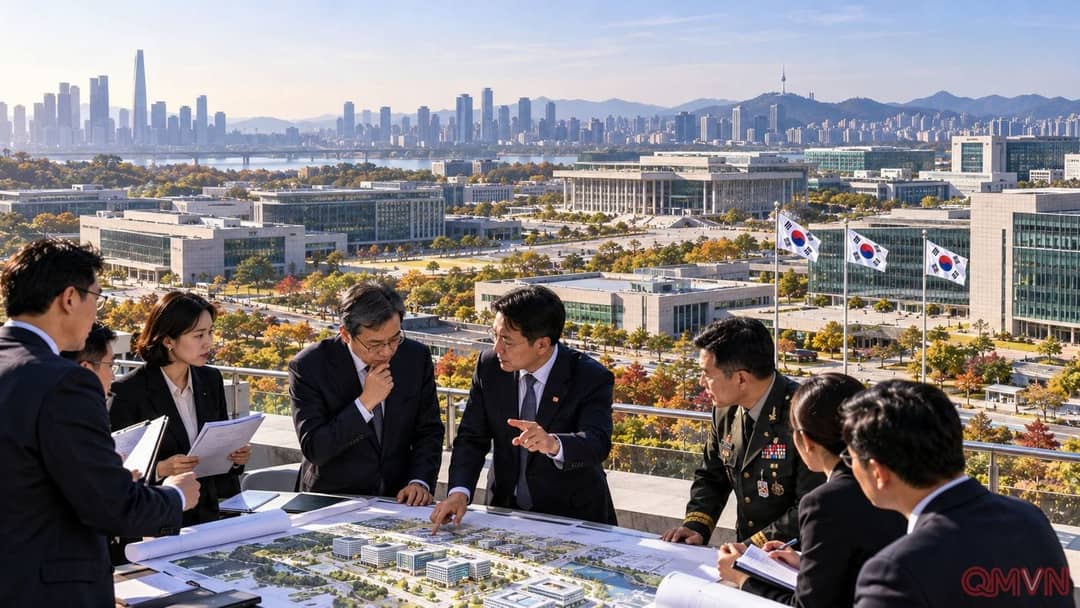
On October 13, the Ministry of the Interior and Safety announced a second phase of government relocation to Sejong, roughly 110 kilometres from Seoul. Yonhap reported that 44 institutions involving nearly 10,000 civil servants would move in stages between 2027 and 2031. Agencies requiring specially equipped offices, including the Foreign, Unification and Defense ministries, are expected to relocate later, once suitable facilities are ready.
In formal responses obtained by opposition legislator Kim Dai-sik, the Foreign Ministry said it had no official correspondence sent to or received from relevant ministries regarding its transfer; the Unification Ministry gave a similar answer. A missing paper trail should not be equated with a definitive absence of informal conversations or preliminary analysis. The Defense Ministry said it was working closely with other bodies to protect military readiness and the president’s command responsibilities, without directly answering whether formal documents had been exchanged.
The promise of regional balance meets security realities
The government says an administrative center outside Seoul can spread public investment, jobs and decision-making across the country. Concentrating departments already based in Sejong may also simplify some everyday cooperation.