MAIN CONTENT
A message that crosses party lines
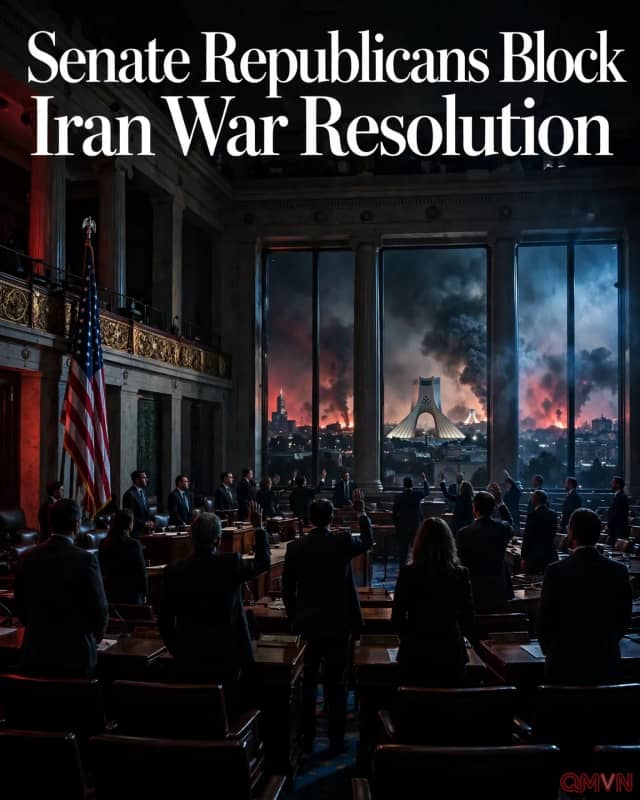
The remarkable feature of the 71% figure is not simply its size but the rare overlap between political camps that otherwise disagree profoundly. Reuters/Ipsos found that slightly more than half of Republican respondents favor congressional legislation to stop the war. This does not mean they share a view of Iran’s government or of American security. It suggests, however, that the duration, cost and uncertain destination of the conflict have become concerns that reach beyond partisan identity.
The four-day online poll concluded on November 9, surveyed 1,705 US adults and reported a margin of error of approximately two percentage points. It measures sentiment at a particular moment rather than delivering a binding referendum. Nor does support for ending military involvement resolve disputes over deadlines, the protection of US forces, regional allies or the conditions under which fighting might cease. Turning a broad preference into a durable legal framework will require harder choices.
War and tariffs converge on the household bill
Foreign policy becomes intensely domestic when a war is reflected in the price of gasoline and freight. Reuters reports that the conflict has sharply increased fuel prices while tariffs have added to price pressures across imported goods.