MAIN CONTENT
Taking a case is not deciding its merits
The justices' decision to take the appeal does not amount to an endorsement of Trump's proclamation. A federal judge in Washington ruled in July 2025 that the president had exceeded his authority. In April 2026, the US Court of Appeals for the District of Columbia Circuit largely sustained that legal conclusion while permitting much of the lower-court remedy to remain on hold during further review. The immediate effect of accepting the case is to place the contested legal question on the Supreme Court's docket.
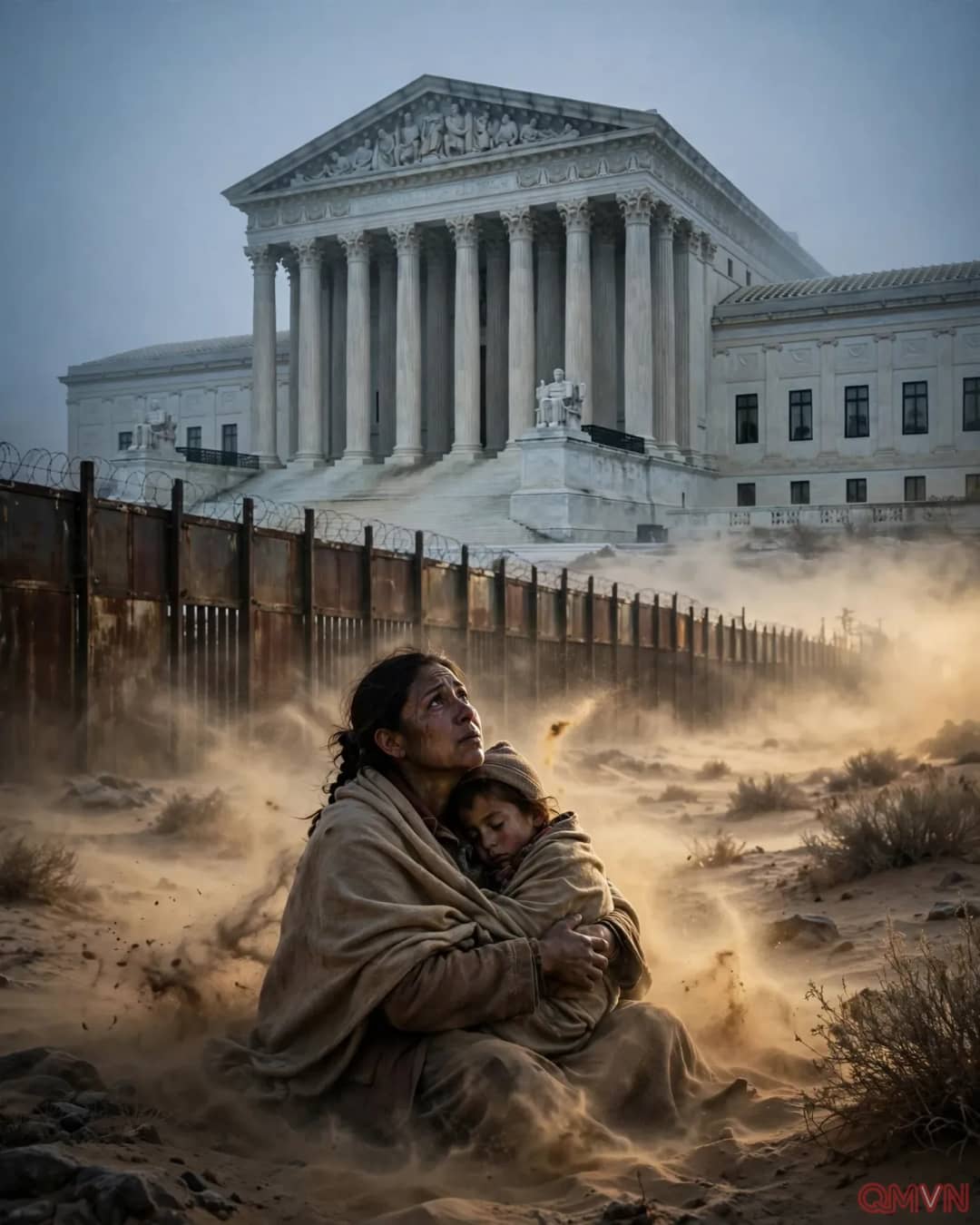
That question reaches deeper than whether border enforcement should be strict. It concerns whether invoking an “invasion” at the southern border permits the executive branch to set aside an asylum procedure Congress established in federal law. Reuters and the Associated Press report that arguments are expected in the months ahead and a decision by the end of the Court's term in June 2027.
One distinction is essential: permission to apply for asylum is not the same thing as entitlement to receive it. Authorities can assess evidence and deny individual requests that fail legal standards. The conflict arises when whole categories of people are denied the opportunity to present their claims before that examination can begin.