MAIN ARTICLE
How a narrow definition opened a large market
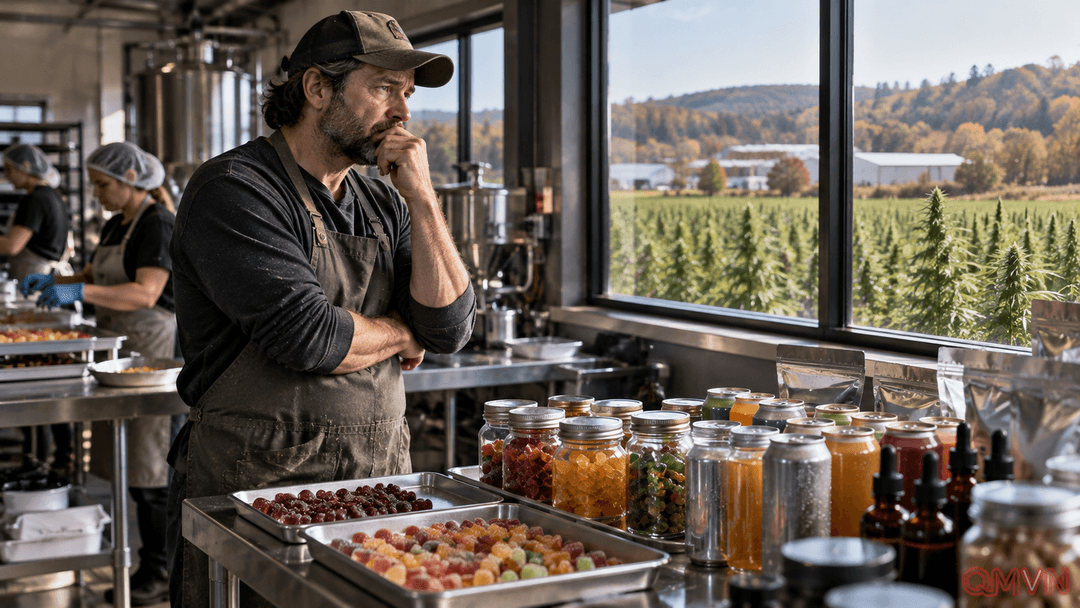
In Clayton, North Carolina, Nicholas Hohns built Deutermann Farms around hemp-derived THC edibles. After years of work, he is considering alternative products if federal restrictions make the current line impossible to sell. His predicament illustrates the uncertainty facing businesses that expanded under the 2018 legalization of industrial hemp.
That legislation generally distinguished hemp from federally controlled marijuana using a threshold of 0.3% delta-9 THC by dry weight. A percentage by weight, however, is not the same as a dose per package: a large drink or bag of gummies could meet the threshold while delivering intoxicating quantities of THC. Products containing THC-A and other cannabinoids raised additional questions for regulators.
When projections translate into livelihoods
Whitney Economics places the total addressable market for hemp cannabinoids at $38.7 billion. It estimates that changes to federal and state rules threaten $28.3 billion in retail revenue, 225,000 jobs and $2.1 billion in state sales-tax potential.