MAIN ARTICLE
A warning before a late invitation
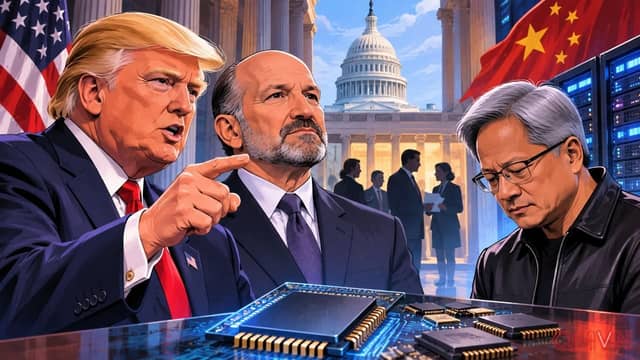
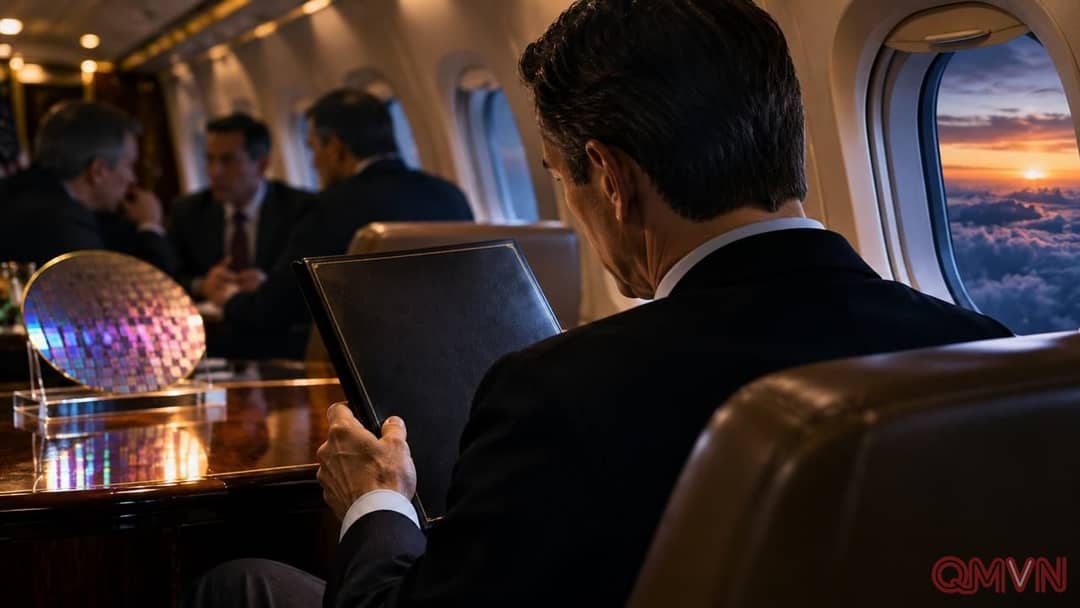
People familiar with the episode told The New York Times that Rubio alerted Trump after learning that Huang would board Air Force One during a refueling stop in Alaska. Huang had initially been absent from the list of business leaders accompanying the presidential visit to China, but received a last-minute invitation. An American official, speaking anonymously, confirmed to the newspaper that Rubio briefed the president about the concern before the technology executive joined the delegation.
The intelligence concerned Alice Huang, a former executive at Singapore-based Megaspeed, which acquires computing capacity powered by Nvidia chips. According to reporting about American intelligence assessments, officials believed she had ties to China’s Ministry of State Security. Crucially, that remains an allegation described through news sources rather than a finding proved in open legal proceedings. A security service’s suspicion cannot be treated as an adjudicated conclusion, nor does a reported personal relationship by itself establish a transfer of protected information.
Competing accounts and the need for evidence
Asked on November 9 whether he had known about Huang’s relationship at the time of the May trip, Trump said he had not heard about it then. The Times subsequently reported that Rubio’s warning was at least the second occasion within seven months when the president had been informed of intelligence on the relationship.