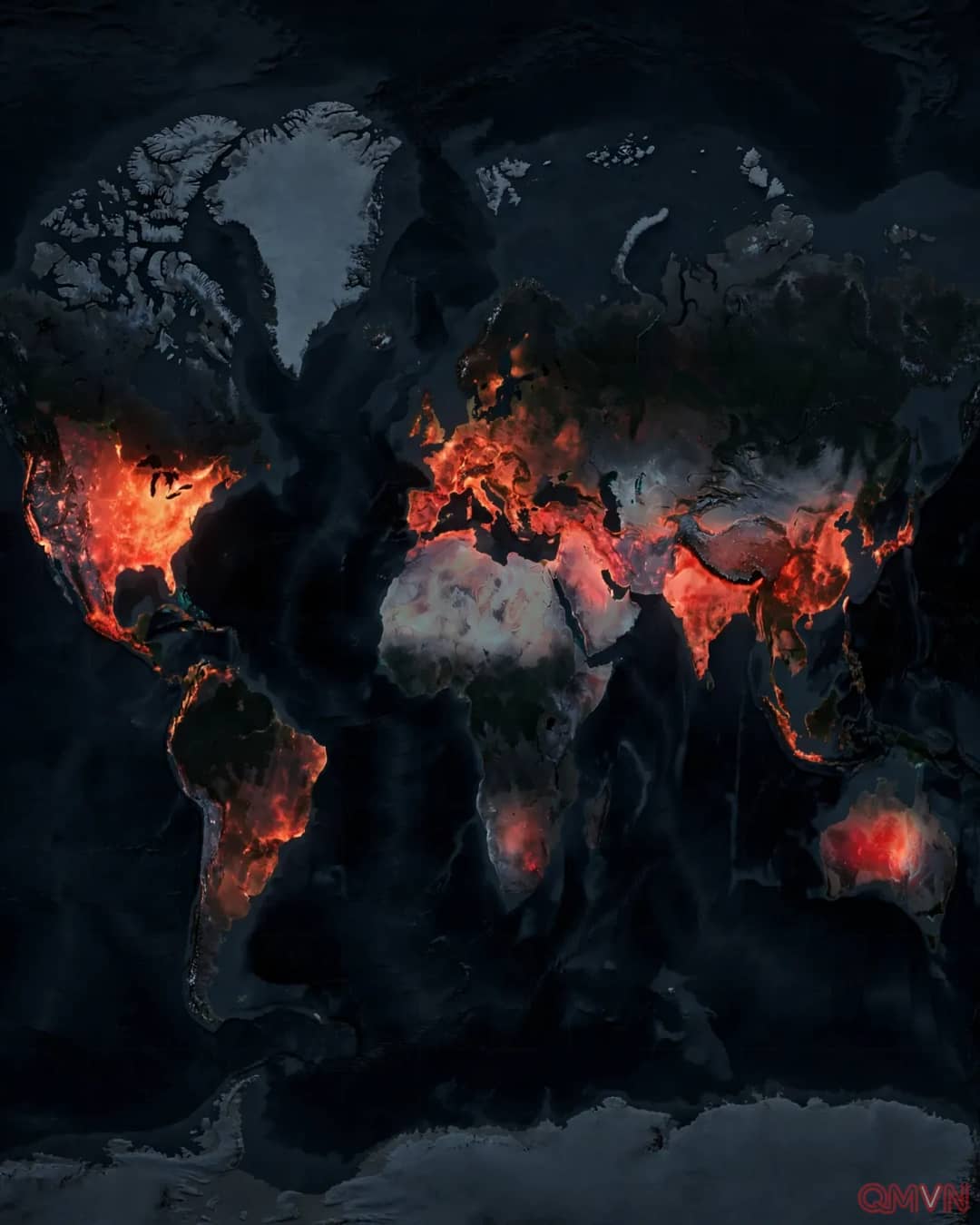
When 2 degrees feels remote
According to Maurice Tamman, who has written about climate change for years, there is a persistent disconnect between scientists and the public. Researchers often discuss the risks that would arise if the global average temperature rose more than 2 degrees Celsius above pre-industrial levels, but ordinary people struggle to grasp what that number means.
He noticed that no one wakes up wondering what the average temperature will be. People care whether it will be hot or cold, and on the seventh day of a heat wave, they groan and wonder whether it will ever end. Heat waves were therefore chosen as the link between the science of global warming and everyday experience.
Defining a heat wave
Because no universally accepted definition of a heat wave existed, data journalists Ben Welsh, Charles Szymanski and Maurice Tamman consulted about two dozen scientists to build their own. They determined the historical temperature range for each day of the year, from 1961 to 1990, for 1.04 million grid squares covering the planet.
A heat wave occurs when a location's daily high reaches at least the hottest 10 percent of its historical range for five days in a row. Neighboring grid squares in a heat wave state are joined together to measure the geographic extent of the event.