An Ultimatum From Hanover
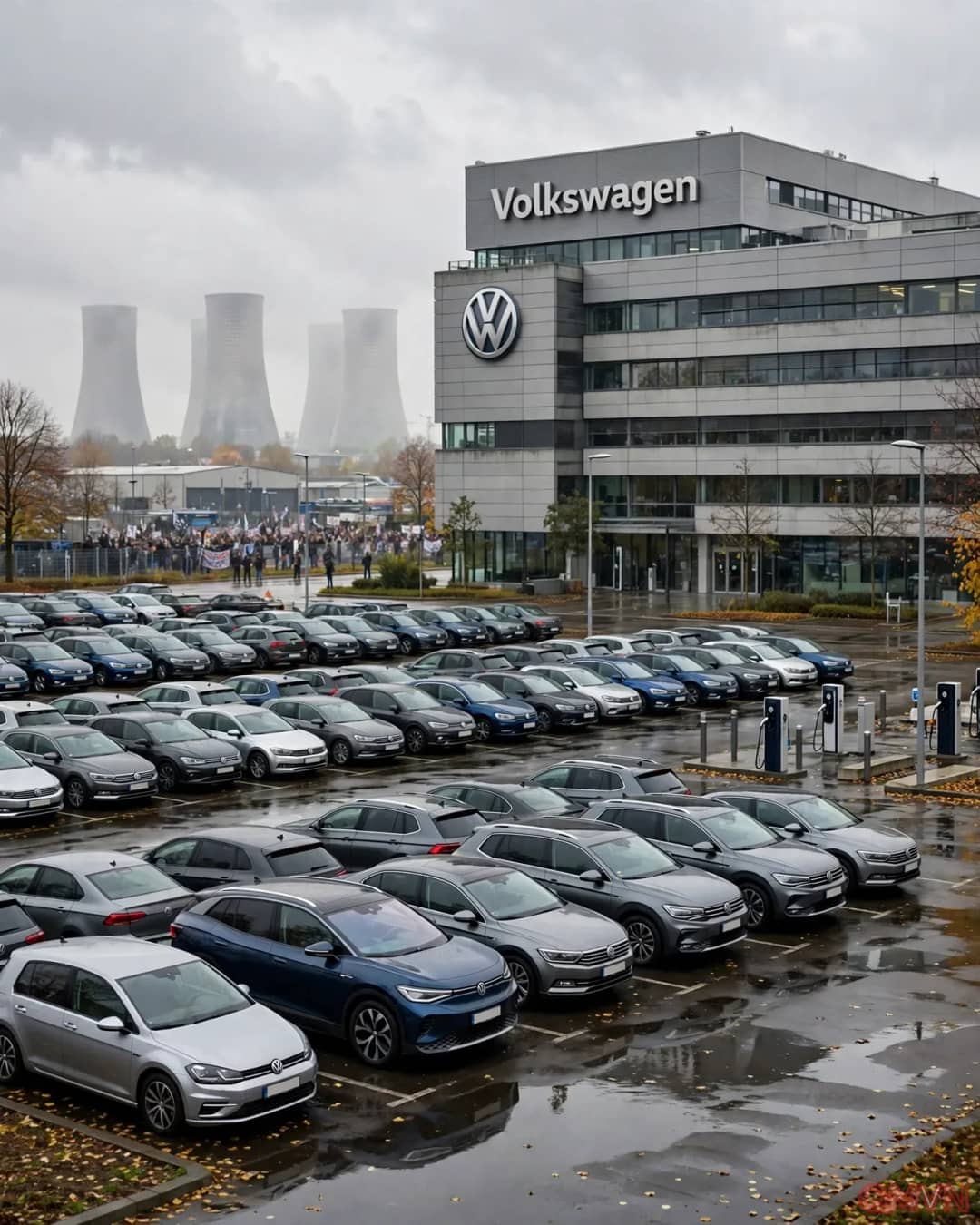
In Hanover, where Volkswagen management and union representatives opened a fresh round of talks on Friday, October 23, the IG Metall metalworkers’ union laid down a clear ultimatum. Its chief negotiator, Thorsten Groeger, demanded that Europe’s largest carmaker reverse its cancellation of almost all wage agreements with German workers by the end of next week.
We are giving the company until the end of October to withdraw this notice of termination.
If the company does not back down, Groeger warned, a “massive process” will be set in motion, paving the way for industrial action – which typically includes strikes. Under the current truce, strikes are ruled out before January 1, and he urged Volkswagen’s management to “mark this date clearly in their diaries”. Wage negotiations in Germany are due to begin in early December at the latest, but IG Metall wants them to start sooner, on November 24.
What Is at Stake
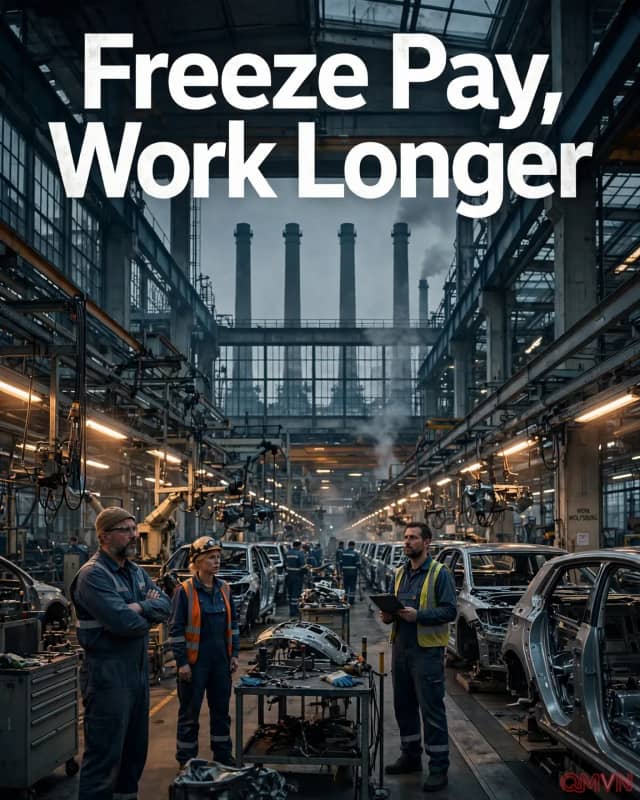
Tensions came to a head at the end of September, when Volkswagen terminated almost all wage deals with its German workers, forcing labour standards that had stood for decades to be renegotiated from scratch. Earlier this week, the works council also revealed that the executive board plans to freeze the salaries of 660,000 staff worldwide until 2030. What is now on the table includes:
- Working hours and labour standards that have shaped generations of German workers.
- Holiday pay and the benefits that come with it.
- The pay of 660,000 employees worldwide, at risk of being frozen until 2030.
We know which operating conditions have changed, but we also know which ones were foreseeable, and we expect the highest-paid management board in this country to work with us to find a solution.
For its part, Volkswagen says it is pursuing every available option to cut costs and safeguard competitiveness, but has declined to comment on specific measures.
One option could be a so-called transfer company, set up with support from the federal employment agency to retrain workers and help them find new jobs outside the group.
The Biggest Restructuring in Auto Industry History
The current stand-off is a direct consequence of the “Future Plan 2030” approved by the supervisory board on September 3. Under the plan, Volkswagen will cut a total of 100,000 jobs by 2030 – about 15% of its global workforce, surpassing the 50,000 jobs General Motors shed after its 2009 bankruptcy. The long-term future of four German plants – Hanover, Emden, Zwickau and the Audi site in Neckarsulm – can no longer be guaranteed. The group also plans to halve its model range and is targeting a 9% operating margin by 2030, up from barely 3% in 2025.
The supervisory board has unanimously approved the executive board’s future plan presented today.
Behind the figures lie three simultaneous pressures: fierce competition from Chinese carmakers, tariff costs running into the billions of euros and a costly transition to electric vehicles. Volkswagen’s European plants have more than 500,000 vehicles’ worth of capacity above actual demand.
A Test for Germany’s Co-Determination Model
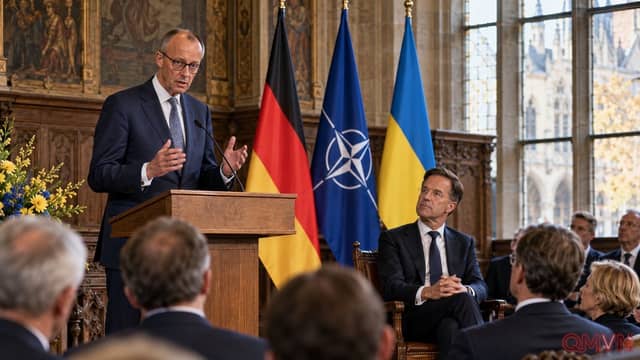
The dispute is also a test of Germany’s distinctive “co-determination” model, under which employee representatives hold half the seats on the supervisory board. Under the 1960 Volkswagen law, decisions to establish or relocate plants require a two-thirds majority of the board, effectively giving labour a veto. That is why every move by management must pass through the negotiating table.
For hundreds of thousands of families, this is not merely a matter of balance sheets but of stability across a lifetime. Volkswagen’s challenge is to strike a balance between the demands of survival in a new era of competition and respect for the commitments that built the pride of Germany’s car industry.