MAIN CONTENT
Resilience without alarm
A few hours without electricity may ordinarily feel like an inconvenience. When an outage coincides with flooding, bitter cold or a mobile-network failure, however, essentials such as safe drinking water, medical care and information become harder to access. Britain’s preparedness message consequently asks households to share responsibility for the first stages of disruption while public services manage wider risks.
As reported by The Independent, Defence Secretary Wes Streeting urged people to consider how they would cope if online banking temporarily stopped working or their homes lost power. He argued for vigilance rather than alarm. Such advice is not a substitute for government obligations: continuity of water systems, emergency communications, health services and timely assistance remains fundamental.
The nine supply categories, and individual needs
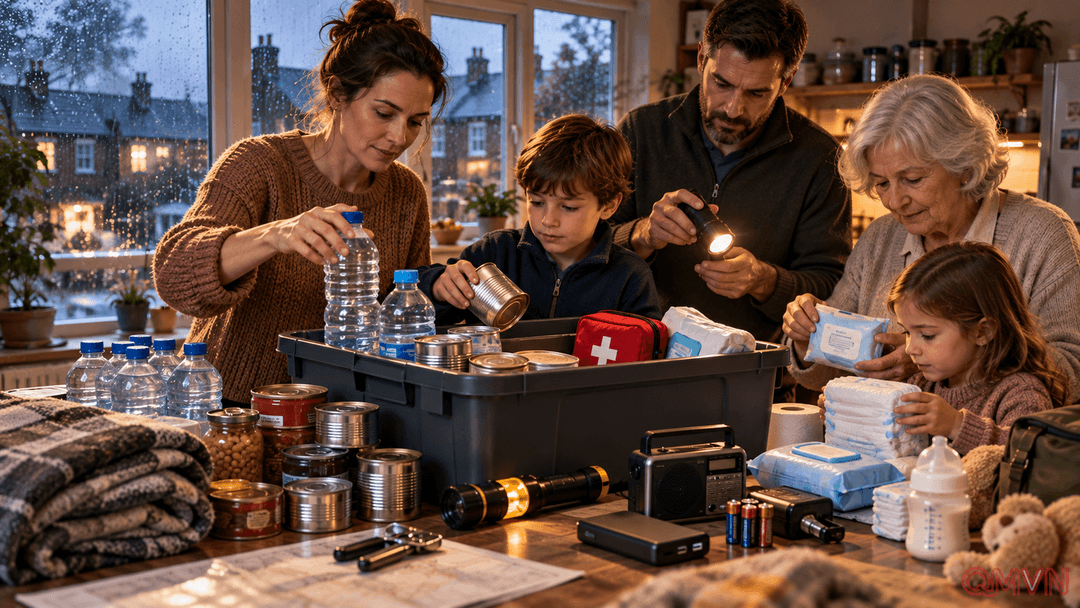
The UK government’s Prepare guidance describes nine broad groups: a battery-powered or wind-up torch; a portable power bank; a battery-operated or wind-up radio; spare batteries and medical-device backup power; first-aid materials; hand sanitiser and wet wipes; bottled water; non-perishable food that can be eaten without cooking, plus a tin opener; and baby supplies such as nappies and ready-to-feed formula. These are flexible categories, not a universal compulsory shopping list.