MAIN CONTENT
Three powers at one table, but with different objectives
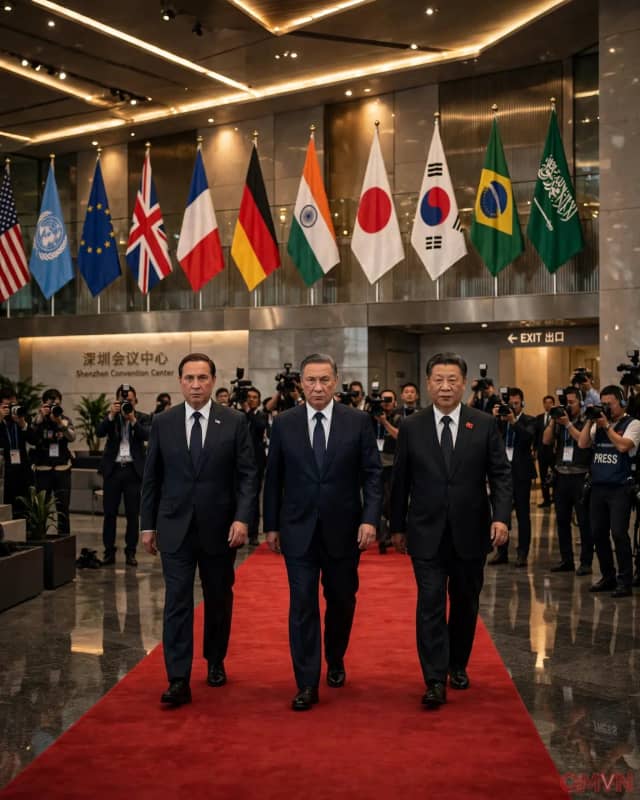
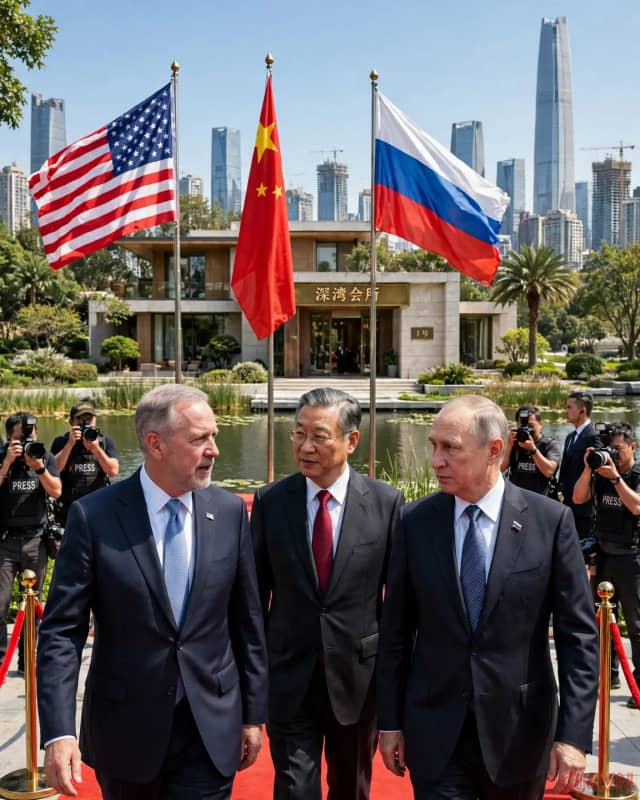
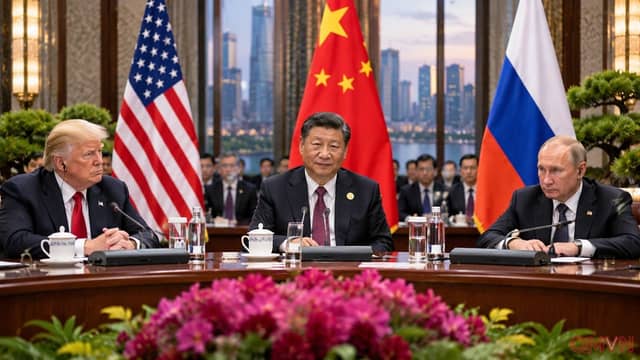
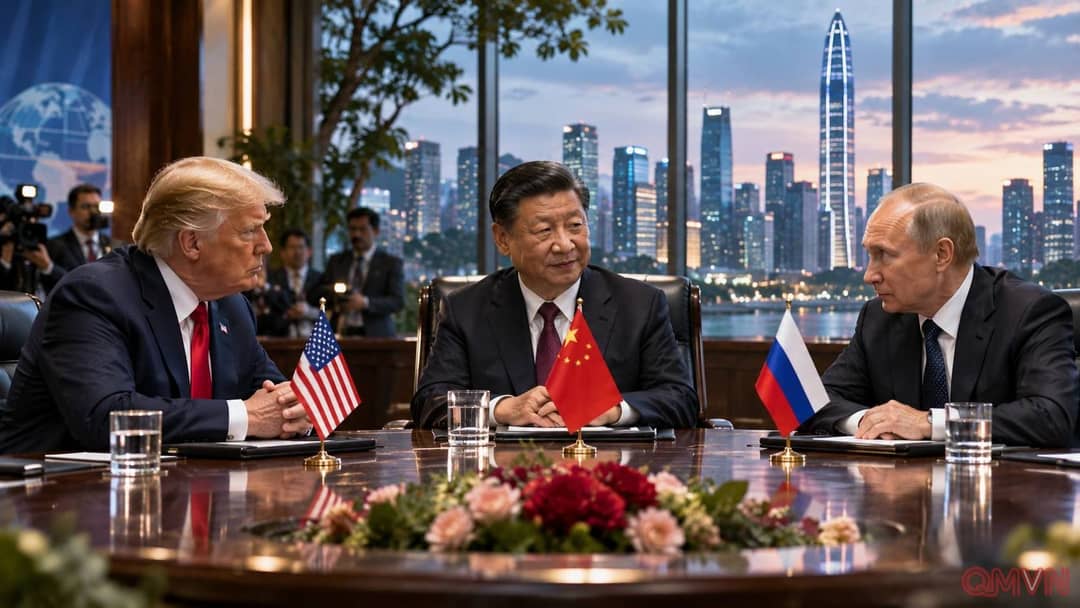
The White House and Russian officials have spoken of plans for the trilateral gathering, according to Reuters and other reporting. China has confirmed that Xi will chair APEC, but has not publicly spelled out the full agenda for a three-leader encounter. That distinction matters: an anticipated meeting is not the same as a fully negotiated diplomatic outcome. Shenzhen may provide the venue without resolving the deeper question of what each participant is prepared to concede.
Trump is seeking a diplomatic opening on nuclear weapons; Putin stands to reinforce Russia’s claim to an indispensable place in global security discussions; and Xi can demonstrate China’s influence as host while avoiding commitments Beijing considers disadvantageous. These interests explain why the three might sit together. They also help explain why a sweeping agreement is unlikely during a meeting still being arranged only days before the summit.
A vanished treaty and the difficulty of three-way arms control
Signed in 2010, New START established ceilings for deployed strategic nuclear arms and verification arrangements between the United States and Russia. Its expiry in February 2026 intensified concerns that the two largest nuclear powers would face fewer binding restraints.